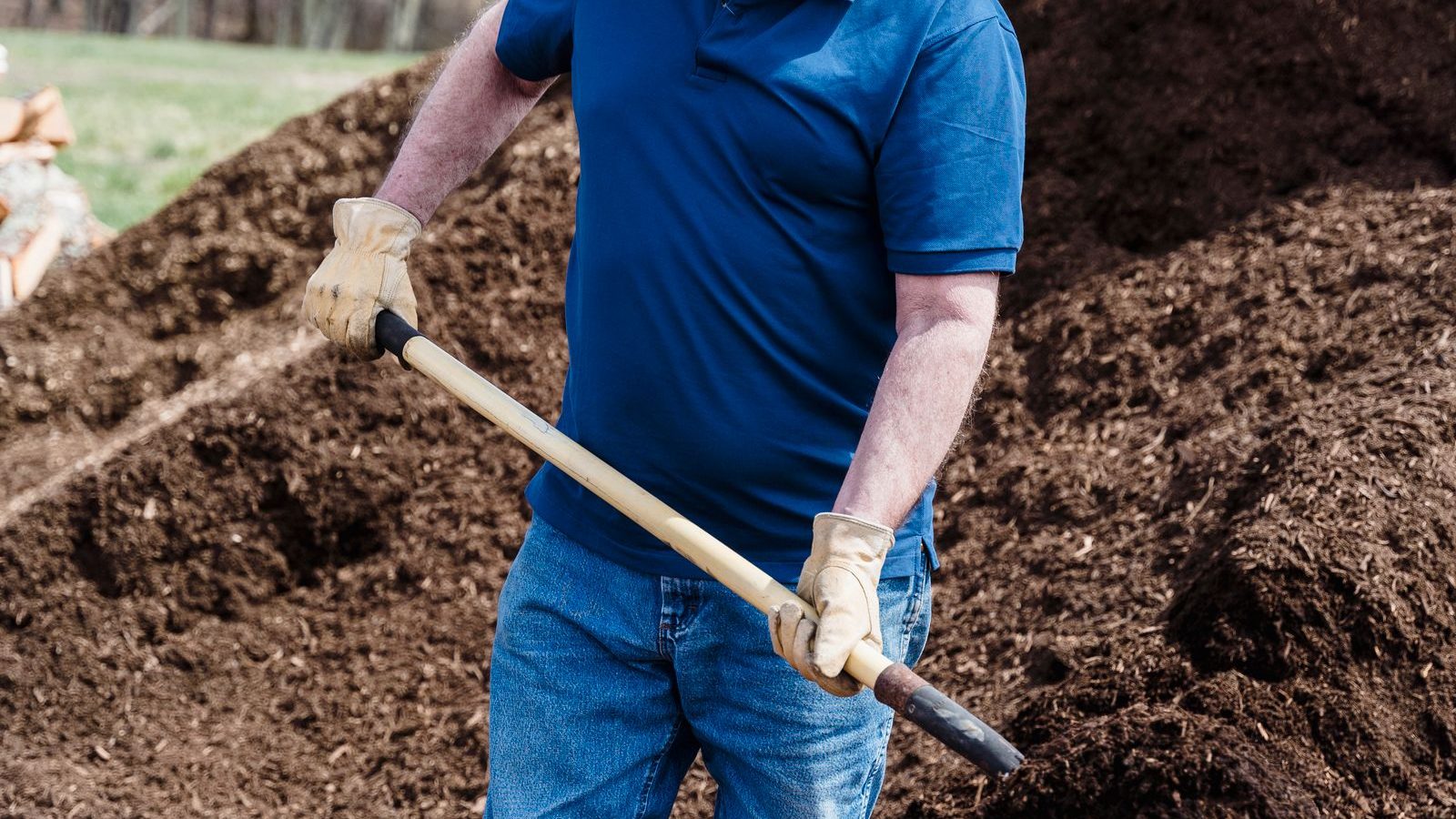
Two heaps stand at the end of my allotment. One is a tidy timber bay, neatly stacked, gently steaming on a March morning. The other is a sprawling pile of last year’s prunings and kitchen peelings that I have not touched since November. Both are composting. The first is busy; the second is patient. They both work. The question is which one suits you.
The hot-versus-cold debate gets dressed up as a battle between methods, but underneath it is a question about your weekend. How much time do you want to spend turning a heap? How fast do you need the compost? Are you trying to kill weed seeds and diseases, or just slowly recycle peelings? USDA composting overview Answer those and the choice almost makes itself.
What “hot” and “cold” actually mean
Hot composting means the heap heats up, properly heats up. A well-running hot pile reaches between 55 and 65 degrees centigrade in its centre, hot enough that you can’t hold your hand in the middle of it. The heat comes from the metabolic activity of bacteria multiplying rapidly when they have the right balance of carbon, nitrogen, moisture and air. The whole heap typically goes through this active phase over two to four weeks, then cools and matures over another two or three months. Finished compost in twelve to sixteen weeks is normal.
Cold composting is what most people do without thinking about it. US Composting Council on compost benefits You add scraps and garden waste to a heap or bin as they arrive, do not turn it, and wait. The heap rarely climbs above 30 degrees. Decomposition happens, but slowly, mostly through fungi, invertebrates and the kind of bacteria that don’t need to be in a hurry. Finished compost in nine to eighteen months is the usual range.
What you need for hot composting
Hot composting demands three things and rewards them.
First, volume. A hot heap needs a critical mass to insulate itself. Below roughly a cubic metre (a metre cube, three sides to the eye) it cannot retain heat. Tiny bins do not run hot.
Second, balance. The ratio of carbons (browns: card, straw, shredded paper, dead leaves) to nitrogen sources (greens: kitchen scraps, fresh grass, manure) wants to land roughly 2:1 to 3:1 by volume. Too much green and the pile turns slimy and reeks of ammonia. Too much brown and it sits cold.
Third, attention. You build the pile in one go, ideally, mixing as you stack. Then you turn it after a week, again after two, again after three. Each turn re-aerates the middle, redistributes the cooler outer material to the hot centre, and re-charges the bacterial party. A heap that is not turned will heat once and then cool.
The reward is speed, weed-seed kill (anything above 55 degrees for a few days is dead), pathogen control, and a beautifully even, dark, crumbly finished product.
What cold composting actually involves
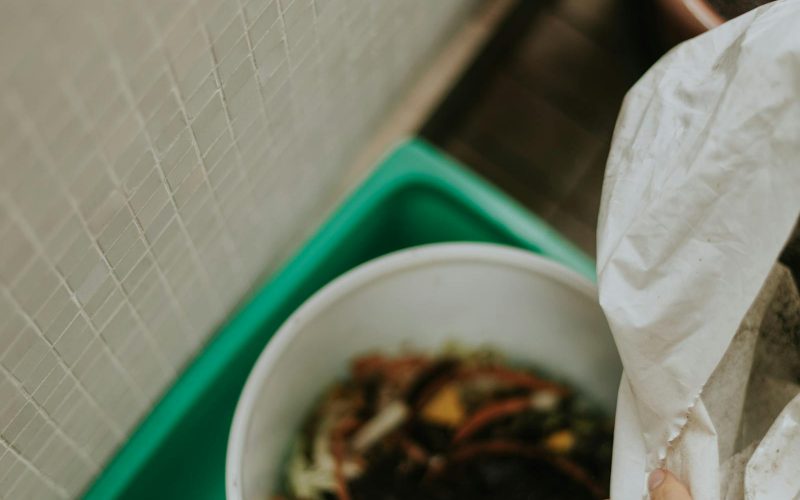
Almost nothing. You have a bin, a bay, a pile. You add what comes, peelings from the kitchen, prunings from the garden, leaves in autumn, weeds in spring. You don’t turn it, or you turn it once a year out of guilt. After a year, eighteen months, sometimes two years, you dig out the bottom and it is compost. The top is still recognisable garden waste; the middle is partly broken down; the bottom is dark, fibrous, smells of woodland.
You will find slugs, woodlice, centipedes and the occasional toad. You will find weed seeds that survived, which means you may not want to use this compost for raised beds where you fight perennial weeds. You will find finished compost that is not as fine or as uniform as a hot heap produces. You will also find that the whole thing happened while you did nothing.
A side-by-side, plainly
| Aspect | Hot composting | Cold composting |
|---|---|---|
| Time to finished compost | 3 to 4 months | 9 to 18 months |
| Effort per week | Building day, plus turning every 1 to 2 weeks for first month | Almost none |
| Minimum size | About one cubic metre | Any size |
| Weed seed kill | Yes, reliably | No |
| Plant disease kill | Yes, for most | No |
| Compost quality | Fine, even, dark | Variable, often fibrous |
| Tolerance to neglect | Low, needs turning | High |
| Best for | Active growers, large gardens | Most home gardeners |
Which one suits you
Hot composting is the right choice if you have a productive vegetable garden, need finished compost on a predictable schedule, deal with persistent weed seeds or diseases, and enjoy spending an hour at the heap on a Saturday. It works brilliantly when you have a periodic glut of material, an autumn clearance, a hedge cut, a delivery of horse manure, that you can build into a single pile in a day.
Cold composting is the right choice if you garden modestly, have small steady amounts of material rather than gluts, do not need the compost in a rush, and prefer minimum-intervention systems. It is also the right choice if you have a small garden where a hot heap would dominate everything.
You can run both. Many allotment holders do, a slow cold bay for weed-free garden waste and a hot bay for kitchen scraps and turfs. The slow heap takes whatever you can’t be bothered to deal with; the fast heap gives you something for the spring beds.
What I do, for what it’s worth
I run two bays. The first is hot, built each March and again each September from a year’s saved cardboard, shredded prunings, the previous summer’s grass cuttings stored in a wire cage, and the kitchen caddy. Each build gives me about three hundred litres of finished compost three months later, which goes on the vegetable beds.
The second is cold, and it takes everything else, weeds, woody trimmings, the autumn leaves, the bits of garden I don’t have time to sort. It produces a coarser, slower compost that I use as a mulch on the perennial beds.
Neither bay is better than the other. They do different jobs. The hot one feeds the things I am trying to grow on a schedule; the cold one quietly turns the year’s mess into useful matter while I am doing something else.
You don’t have to pick once. Most gardeners drift between them over years, depending on how the garden grows and what life allows.
Frequently Asked Questions
How hot does a hot compost heap actually get?
A well-running hot heap reaches 55 to 65 degrees centigrade in the middle during the active phase. You can confirm this with a long-stemmed compost thermometer, which costs around fifteen pounds and tells you exactly when to turn.
Can a small garden heap ever run hot?
Below roughly a cubic metre, no — there is not enough mass to insulate the heat. Insulated tumblers and hot bins (commercial sealed units) can run warm in smaller volumes, but a typical open garden bin will be a cold heap.
How often should I turn a hot pile?
Once a week for the first three to four weeks, ideally, then leave to mature. The first turn is the most important — it redistributes the hot core material and re-aerates the heap so the bacterial activity continues.
Will weed seeds survive a cold heap?
Many will. Cold composting does not reliably kill weed seeds, so compost from a cold heap is better used as mulch on perennial beds rather than mixed into vegetable beds where weed seedlings would compete with crops.
Is hot composting really worth the extra work?
Only if you need the speed or the weed-seed kill. For most household gardeners producing modest amounts of material steadily, cold composting works fine. For productive vegetable gardens with predictable compost needs, hot composting earns its keep.
Can I switch from cold to hot midway?
Yes, if you have enough material. Empty the cold heap, mix the contents thoroughly with fresh greens and browns to balance the ratio, restack into a single mass of at least a cubic metre, and turn weekly. It will often start heating within a few days.