 Kitchen
Kitchen Tools That Reduce Waste Without Being Trendy
The kitchen is where most household waste starts, and it is also where most of it can be prevented. We spent a…
Kitchen
The kitchen is where most household waste starts, and it is also where most of it can be prevented. We spent a…
 Composting
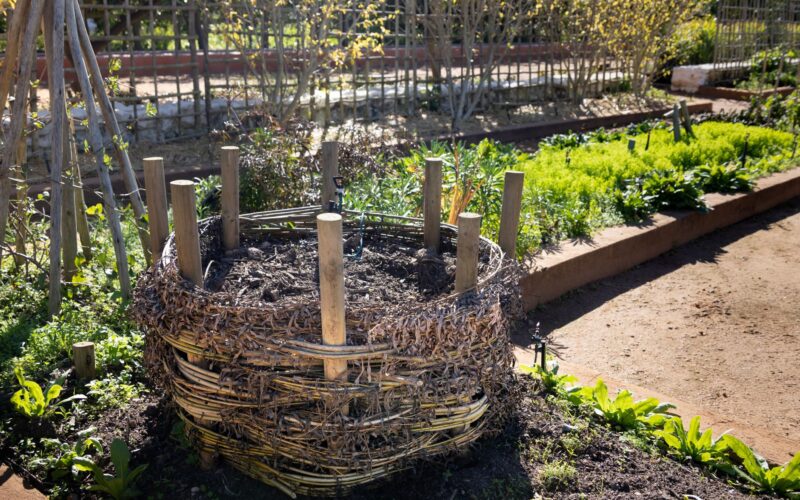
Most compost bin advice starts with what to buy. We think it should start with math. Before you spend money on a…
 Reuse
Reuse
A cleaning rags system reusable enough to replace paper towels does not usually fail because someone bought the wrong cloths. It fails…
 Habits
Living with roommates changes how a low-waste habit survives contact with reality. What works for a solo flat often collapses when three…
 Shopping
The reason resale kids’ clothing feels like a coin flip isn’t the clothes; it’s the sizing system. A tag reading “4T” might…
Quiet, practical reads that keep showing up in our most-shared list, the stuff readers email each other.

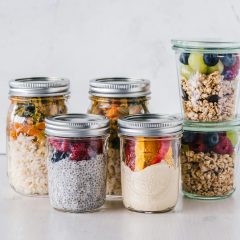
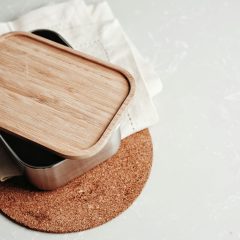

Six focused areas, each with a complete set of beginner-friendly guides.
No overhauls, no buying twelve new jars. Just the small adjustments that actually stick.
A quick rinse is enough, most facilities just need food residue off, not a polished can.
Reusable bags only matter if they make it to the car. A hook by the door beats willpower every time.
One "use it up" dinner each week prevents the bottom-drawer mystery bag of soft vegetables.
Cardboard takes 70% less bin space when broken down, fewer overflow trips, fewer pickup gaps.
A single pump bottle plus three concentrate sachets replaces six plastic bottles a year.
Coffee grounds and banana peels alone reduce trash bag weight by a third in most kitchens.

We don\'t sell gear, we don\'t push lifestyle aesthetics, and we don\'t lecture. Waste Free Daily is run by editors who track waste rules across regions, test home routines for months at a time, and write the kind of guide we wished existed when we started.
Every article is written by a human, reviewed by a second editor, and revised when readers spot a mistake.
If yours isn't here, drop us a line, we update this list every month.
A quick rinse is enough for most municipal programs. Heavy food residue can contaminate a whole batch, but you don't need to scrub anything spotless.
Usually no. Most "compostable" or PLA plastics require industrial composting facilities. They won't break down in a backyard pile and they contaminate plastic recycling streams.
A "use the freezer" rule. Anything close to spoiling goes in the freezer the same day you notice it. This single habit cuts most kitchen food waste in half within a few weeks.
They're only worth it if they're used 40+ times. The fix isn't buying more, it's putting them where you'll see them, like a hook on the front door or a folded one in your wallet.