Recipes serve four. Bags of mince come in 500g. A loaf of bread has fourteen slices and two of you eat one slice each at breakfast. The maths of cooking for two is gently against you from the start, and most planning advice is written for families of four, which doubles the unhelpfulness.
So this is a guide for the small household. Couples, flatmates, parent-and-grown-up-child, anyone who has stood in a supermarket aisle holding a pack of six chicken thighs and wondering what on earth to do with the spares.
Plan for five dinners, not seven
The first realistic move is to stop planning a full week. For two people, planning seven dinners almost guarantees waste, because life happens. Someone works late. Someone gets a free meal at a work thing. Someone wants a takeaway on Friday. Plan five dinners and leave the other two as flexible nights.
Those flexible nights are where leftovers, eggs on toast, pasta with whatever is in the fridge, or a planned takeaway live. This is not laziness, it is realism. A five-meal plan finished on Sunday feels great. A seven-meal plan that limped to Thursday and then collapsed feels like failure. the USDA FoodKeeper app
The rough rhythm that works
Once you start thinking in five meals, a pattern emerges. Two of those meals are usually quick and basic, one is slightly more involved, and the remaining two repurpose ingredients from the first three. The same chicken thighs that made a Monday traybake become a Wednesday wrap. The Sunday roast veg become a Tuesday frittata.
- Monday: a fresh, simple meal using the highlights of the weekly shop.
- Tuesday: a “use the bits” meal, often a stir-fry, frittata, or pasta.
- Wednesday: the slightly more involved meal you actually had energy for.
- Thursday: a repurpose night using leftovers or freezer items.
- Friday: pre-planned flex or takeaway.
Buy ingredients, not meals
Most meal-planning systems tell you to plan meals first and shop second. For two people, this often leads to waste because each individual recipe wants its own three-pack of peppers and tiny tub of cream. A different approach: buy ingredients that play across meals, then decide on dishes.
A working two-person weekly shop might be: 500g mince, a pack of chicken thighs, a bag of frozen prawns, two onions, garlic, two peppers, a bag of spinach, a punnet of cherry tomatoes, eggs, halloumi or paneer, a pack of tortillas, rice, pasta. With those ingredients you can make a chilli, a stir-fry, a curry, a frittata, and a quick pasta, with bits left for sandwiches.
Why this works for small households
Each ingredient earns more than one job. The pack of tortillas covers wraps on Wednesday and quesadillas on Thursday. The bag of spinach goes into the curry, the frittata, and a quick lunch. Nothing is bought for one recipe and then forgotten. Waste drops sharply.
Handle the four-portion problem
Recipes serving four are a constant minor annoyance for couples. Three honest options exist.
Halve the recipe. Works well for stir-fries, pasta sauces, and curries. The maths is straightforward, though small amounts can be fiddly with things like cans of tomatoes (use the rest in soup the next day).
Cook the full amount and freeze half. Best for chillis, stews, ragus, and soups. Freeze in two-portion lots, label them. This is how you build a backup library that saves Wednesday nights when nobody can be bothered.
Cook once, eat twice in different forms. Roast a chicken on Sunday for two dinners, then strip the rest for sandwiches and a stock from the carcass. Make a big tray of roasted veg and rework them on a different night.
Watch the lurking ingredients
Couples tend to waste the same things over and over. Salad bags, fresh herbs, cream, half-tins of tomato paste, bagged grated cheese, and bread are the usual suspects in a small kitchen. Knowing this in advance changes how you buy.
Instead of a bag of mixed leaves, buy a single lettuce. It lasts twice as long and costs less. Instead of a tube of tomato paste, buy a small jar so the rest stays usable. Freeze fresh herbs in olive oil in ice cube trays. Buy bread in a half loaf and keep the other half in the freezer. None of this is dramatic. It just plugs the usual leaks.
One trick for fresh herbs
If you buy a bunch of coriander or parsley, chop the whole bunch the day you bring it home. Half goes into whatever you are cooking that week. Half goes into a freezer ice cube tray topped up with olive oil. Each cube becomes a quick flavour hit in a future pasta or stir-fry. Wilting herbs in the salad drawer become a non-problem.
Lunch is the other quiet waste hole
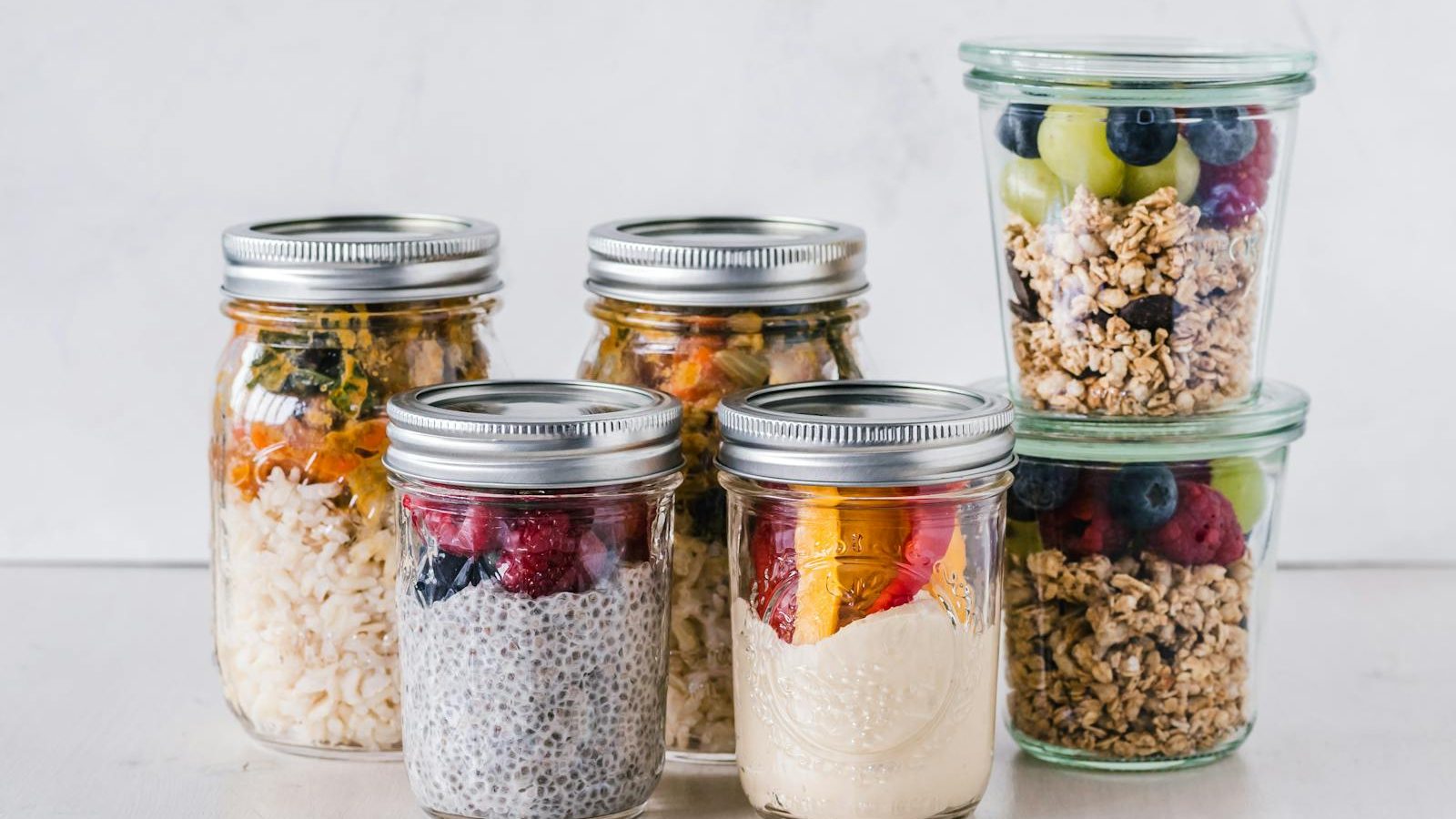
Dinner planning gets all the attention, but for two-person households, lunch is often where leftovers go to die. Build it in. A meal that makes four portions is two dinners and two lunches the next day if you box them up the same evening. Glass containers on a clearly labelled shelf in the fridge mean the lunches actually leave the house.
One reader, Priya in Manchester, told me she packs both her and her partner’s lunches at the same time on Sunday and Tuesday evenings. “Twenty minutes, twice a week,” she said. “It used to be a daily scramble that ended with me buying a sad meal deal.”
When the plan goes wrong
It will, regularly. A meal gets skipped. An ingredient turns. A friend invites you out. The point of a five-meal plan is that it has slack built in. Move the unused meal to next week, or fold the ingredients into a Sunday clear-out frittata, or freeze what you can.
A small note: a plan that goes ninety per cent right is a triumph. Do not let one wasted meal break the habit. Even a half-followed plan saves more than no plan at all. The aim is not perfection. It is fewer aisles of regret in the supermarket and a fridge that closes on Friday with nothing crying for help inside.
Plan five, shop ingredients, cook with overlap. Three small moves, all of them gentle. The reduction in waste is the side effect, the side effect is the prize.
Frequently Asked Questions
How many meals should I really plan in a week for two people?
Five is the realistic number for most couples. It leaves two evenings for flexibility, leftovers, or a planned takeaway, and avoids the all-or-nothing collapse of a seven-meal plan.
What do I do when a recipe serves four and I only need two portions?
Either halve the recipe, cook the full amount and freeze half in clearly labelled containers, or repurpose the second batch into a different meal later in the week using a different sauce or grain.
Which ingredients waste the most in a small household?
Pre-bagged salad leaves, fresh herbs, cream, bread, and half-used tubes of tomato paste. Buy smaller versions where you can, freeze what you can, and try a whole lettuce instead of bagged leaves.
Should I shop weekly or twice a week?
For most two-person households, one main weekly shop with a small midweek top-up for fresh items works better than a single big shop. It reduces food sitting around long enough to go off.
How do I avoid eating the same meal twice in a row?
Reframe leftovers as a base ingredient, not a repeat. Yesterday's chilli becomes a baked sweet potato topping tonight. Yesterday's roast chicken becomes a wrap. A change of carbohydrate and one new ingredient usually does the trick.