Open most home freezers and somewhere in the back you will find a small grey rectangle, blanketed in ice, that nobody can identify. It might be ragu. It might be soup. It might be the chilli from Easter. Out it comes, into the bin, with a quiet “oh well.” The freezer, in many kitchens, is less a preservation tool and more an archaeological site.
This is not a problem of freezing technique. People know how to put food in the freezer. The problem is the absence of any system on the way back out. Below is a working set of habits that turns the freezer into something close to a useful kitchen library. ReFED’s overview of the US food-waste problem
The single rule that fixes most of it
If you only adopt one habit, make it this: every frozen item must have a name, a date, and a portion size written on the outside. USDA guidance on storing food safely No exceptions. Without that, you cannot make decisions about what to eat without thawing first, which is the whole point of the freezer.
A roll of masking tape and a permanent marker, kept in the same kitchen drawer as the freezer bags, makes this almost zero effort. Stick on tape, write three words and a date, attach to the container. The whole job takes five seconds.
What “three words” looks like
- Bolognese, 2 portions, 14 May
- Chicken stock, 500ml, 22 April
- Bananas for baking, 4, 6 May
- Beef chilli, 1 portion, 30 March
Not poetry. Functional. You should be able to read the label from across the room.
The freezer index
Stick a small piece of paper or a magnetic whiteboard on the front of the freezer. List what is inside, by general category, and update it when you add or remove things. This sounds tedious and is, for the first two weeks. After that it becomes a thirty-second habit.
The list does not need detail. Just enough to remind you what is available.
Soups: tomato basil, leek and potato, minestrone (x2)
Sauces: bolognese (x3), korma base, pesto
Bread: half wholemeal, four bagels
Meals: chilli (x2), lasagne portion, fish pie
One reader, Helen in Glasgow, uses a small notebook clipped to the freezer instead of a board. “I cross things off as I take them out,” she said. “It looks a bit like a shopping list in reverse.”
Why the index matters more than the labels
Labels tell you what something is when you find it. The index tells you what to look for. On a Tuesday evening when the question is “what do we have for dinner,” the index lets you scan in five seconds and decide without opening the freezer at all. That decision speed is the difference between using freezer food and leaving it in there.
Portion sizes that actually get used
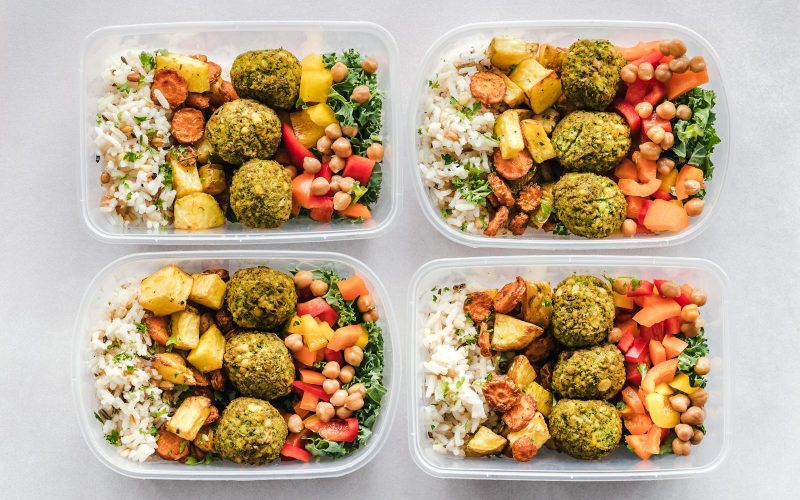
The other reason frozen leftovers languish is wrong portion sizes. A 1.2kg lump of solid bolognese is not a meal, it is a project. Freeze in the size you actually eat in one sitting.
For one person, that is usually 250 to 300 grams of saucy stew, soup, or curry. For two, double it. Use small reusable containers, ice cube trays for stock, or sandwich-sized freezer bags laid flat. A bag of sauce laid flat freezes in twenty minutes and thaws in another twenty. A lump in a tub takes a day.
The rolling weekly rule
Every week, when you do your fridge audit, glance at the freezer index too. Pick at least one item to thaw and eat that week. This single rule is what stops the freezer becoming a graveyard. Items have to move through, not just in.
For people who plan five meals a week, dedicate one of those slots as a “freezer meal.” Bolognese on Wednesday because there is bolognese in the freezer. Chilli on Sunday because there is chilli in the freezer. The freezer becomes a working part of the kitchen, not a side cupboard.
The two-month rule of thumb
For most cooked leftovers, the practical quality window is two months. Technically they last longer, but flavour and texture start to slip after that. If something on the index is more than three months old, prioritise it this week. If it is past six months, evaluate honestly: most things are still safe but may be a bit tired.
What freezes well and what really does not
Knowing this in advance saves disappointment.
Freezes brilliantly: cooked stews, chillis, ragus, curry sauces, soups, stocks, blanched vegetables, bread, baked goods, raw meat, raw fish, herbs in oil, cooked rice, cooked pasta sauce, milk, butter, hard cheese (for cooking), ripe bananas for baking, berries.
Freezes okay but quality drops: cooked pasta on its own, cooked potatoes (mash freezes better than chunks), cream-based sauces (may separate slightly on thawing), tofu (texture changes, often in a good way).
Avoid freezing: raw salad leaves, raw cucumber, raw celery, mayonnaise, custards, fried foods that you want to keep crisp.
The bread point
Bread is one of the highest-volume household waste items, and it is also one of the easiest to fix. Slice it before freezing. Take out individual slices as needed and toast directly from frozen. A half loaf in the freezer is a non-issue. A half loaf in the bread bin is moss within five days.
Thawing safely
Plan thawing the day before. Move whatever you want for tomorrow’s dinner from the freezer to the fridge on the previous evening. By the next day it is thawed safely and ready to reheat. Thawing on the counter is risky for anything containing meat or dairy.
The microwave defrost setting works for emergencies but tends to start cooking the edges. The cold-water bath method (sealed container in cold water, changed every half hour) is faster than fridge thawing but slower than microwave.
Reheating to safe temperatures
Reheat anything containing meat, fish, or dairy until it is steaming hot all the way through. A meat thermometer reading of 75 degrees Celsius is the safe standard. This matters more than usual with frozen-and-reheated food because uneven heating leaves cold spots.
The monthly freezer audit
Once a month, give the freezer ten minutes. Pull everything out onto the counter. Cross-check against the index. Note anything not on the list. Note anything on the list that is not actually there. Pick the oldest two items to eat this week.
It is briefly cold work. The reward is a freezer that genuinely contributes to your meals rather than absorbing them. Most months, the audit also turns up something you forgot existed, which becomes Wednesday’s dinner.
A freezer is one of the most useful appliances in the kitchen, but only if what goes in comes out. Five seconds of labelling, a small list on the door, one freezer meal a week. That is the whole system. The grey ice rectangle, finally, stays out of the bin.
Frequently Asked Questions
How long can I keep cooked leftovers in the freezer?
For best quality, eat within two months. They remain safe for longer in most cases, but flavour and texture start to slip after that point. Anything past six months is usually still safe but tired.
Is it safe to thaw food on the kitchen counter?
Not for anything containing meat, fish, or dairy. The safer approach is to move items from the freezer to the fridge the night before. For faster thawing, use the microwave defrost setting or a cold-water bath in a sealed container.
Should I freeze in glass or plastic containers?
Both work. Straight-sided glass jars are good but must have at least two centimetres of headroom for expansion. Plastic containers and zip bags are lighter and more space-efficient. Avoid curved-shoulder jars, which tend to crack.
Why does frozen rice or pasta sometimes go mushy?
It is usually because it was overcooked before freezing or thawed too slowly. Slightly undercook rice and pasta if you plan to freeze them, and reheat from frozen in a hot pan or boiling water rather than the fridge.
Can I refreeze something I have thawed?
Refreezing raw items after thawing is not recommended. However, if you thaw raw meat, cook it, then freeze the cooked dish, that is fine. The rule is one thaw cycle per raw item.
What is the best way to label freezer items?
Masking tape and a permanent marker, with three pieces of information: what it is, the portion size, and the date. Keep the tape and marker in the same drawer as your freezer bags so it is always to hand.