I once tried to do a zero-waste grocery shop in a normal supermarket. It was a bit of a disaster. I came home with three loose carrots, half a cauliflower, and a packet of cereal I had bought because I could not find a plastic-free alternative. The fridge was sad and the tally on plastic was not actually that much lower than usual.
The lesson, six months on: trying to eliminate all plastic in one shop is the wrong target. Reducing it sharply, week by week, at the supermarket you already use, is a much more honest goal. Here is how to do that without losing your mind or your dinner.
The two-thirds rule
A useful mental shortcut: aim to reduce the plastic in your trolley by roughly two-thirds. That is achievable in any UK supermarket with five or six small changes to how you shop. The last third is harder, sometimes impossible, and is rarely worth losing sleep over. ReFED’s overview of the US food-waste problem
The two-thirds you can cut comes from a few specific areas: produce, bread, dry goods, dairy, and the deli or fish counter. Below is each in turn.
Produce: the biggest single win
About a quarter of supermarket plastic in a normal trolley comes from fruit and vegetables wrapped pointlessly: peppers in plastic trays, cucumbers in shrink wrap, apples in zip bags, mushrooms in punnets with film.
The fix is mostly behavioural rather than systemic. Choose loose where it exists. Almost every supermarket has loose versions of common items right next to the packaged ones, and they are usually the same price per kilo or slightly cheaper. Bring a few cotton or mesh produce bags. If you forget, just put the loose items straight in the trolley. They survive the journey.
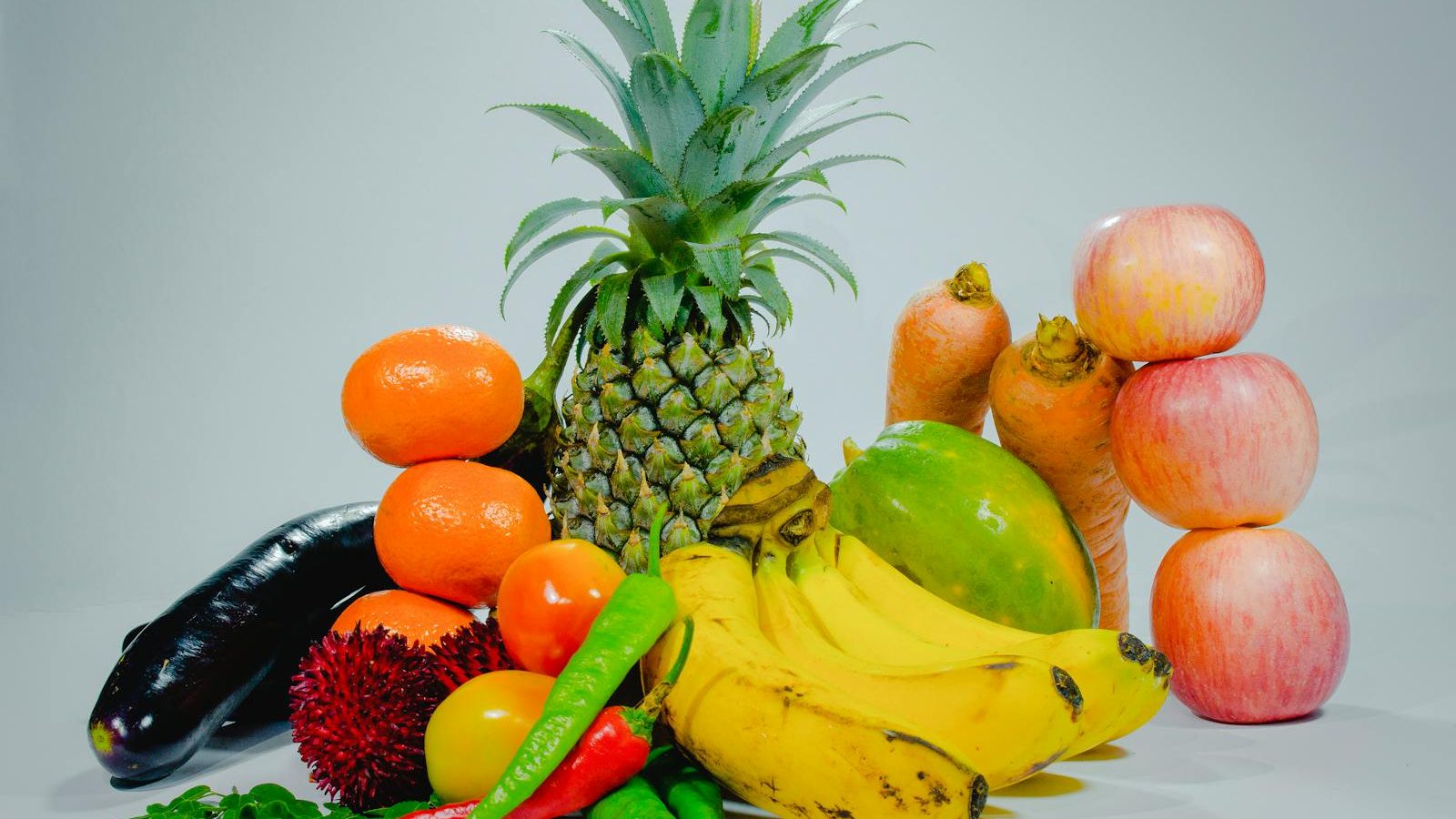
Items almost always available loose
- Onions, garlic, ginger
- Potatoes, carrots, parsnips
- Peppers, courgettes, aubergines
- Cabbages, cauliflowers, broccoli
- Apples, pears, bananas, citrus
Items often only sold packaged
Salad leaves, herbs, berries, grapes, mushrooms, and certain stone fruits. These are harder. For salad leaves, switching to a whole lettuce is usually possible and reduces both packaging and waste. For herbs, growing a small pot at home (basil, parsley, mint, chives) replaces the plastic-clamshell habit. For berries, buying frozen in larger bags often works better than the small punnets.
Bread
The supermarket bakery, often hiding at the back, usually sells loaves loose with a single paper bag, or unpackaged if you bring your own bag. The pre-sliced bagged loaves are convenient but high-plastic.
One workaround: buy a whole loaf from the in-store bakery, slice it at home with a serrated knife, and freeze half the slices. The half loaf in the bread bin lasts three to four days. The frozen half toasts straight from the freezer. Two minor habits replace a lifetime of plastic bread bags.
Dry goods
Rice, pasta, oats, flour, lentils. The plastic content here is high if bought in standard supermarket packages, but there are workarounds without going to a refill shop.
The most useful one: choose paper-bagged or cardboard-packed versions over plastic where the option exists. Many supermarket flours come in paper. Many oats come in cardboard. Some pasta is in cardboard with a small plastic window. Bulk paper bags of basics in larger sizes (where appropriate for your household) also reduce per-meal packaging significantly.
The refill shop alternative
If there is a refill shop within reasonable distance, dry goods are where it shines. You can buy 200g of rice, 150g of pasta, or whatever your specific need is, into your own container. The per-unit price is often competitive with supermarket bulk. The packaging waste is zero.
Dairy
The biggest dairy plastic offender is the milk bottle. Glass milk in returnable bottles from a doorstep delivery service exists in many parts of the UK, often at similar or slightly higher prices to supermarket plastic. If you have a milkman service available, it is one of the highest-impact single swaps. The bottles get collected, washed, and reused around fifty times each.
For yoghurt, large tubs in plastic are still plastic, but a 1kg tub is significantly less plastic per portion than six 150g pots. Buy plain natural yoghurt in the largest size your household will use, add fruit and honey at home.
For cheese, the deli counter (where it exists) wraps cheese in paper. Pre-packaged cheese is plastic. Cheddar lovers can save a lot of plastic by ordering at the counter.
The deli, fish, and meat counters
If your supermarket has staffed counters, you can usually ask them to put items directly into your own container or paper-wrap them. Most staff are entirely fine with this. A medium reusable plastic tub or a couple of large mason jars cover most counter purchases. Bring them clean. Hand them over before they weigh your purchase, so the tare weight gets accounted for.
If your supermarket only has pre-packaged meat and fish, swap to thinner cuts in cardboard-and-film packaging where they exist (often less plastic than thick polystyrene trays). For fish, the freezer aisle sometimes has cardboard-only options.
The rest of the trolley
Tinned and jarred goods are usually fine: glass and metal recycle cleanly. Cleaning products often have refill options either at supermarkets or refill shops. Personal care products (shampoo bars, refillable hand soap) are increasingly available in supermarkets at competitive prices.
Snacks and crisps are where many supermarkets still lock you in to multi-material plastic. There are fewer good options here. Either accept the trade-off or buy in larger formats so the per-portion plastic is lower (a big bag of crisps that you portion out into a reusable container is less plastic than five small bags).
The trade-offs to be honest about
Reducing plastic at the supermarket sometimes costs slightly more, sometimes the same, and occasionally less. The pattern: loose produce is usually neutral or slightly cheaper, larger formats of dairy are cheaper per use, doorstep glass milk is slightly more expensive, refill shops are usually neutral to cheaper, deli counter pricing depends on the cut.
You will also occasionally find a product you cannot buy without plastic. Tofu, for example, is almost always in plastic. Decide what you can live with. Refusing to buy tofu over its packaging may feel pure, but if it shifts you to a more impactful product (meat in heavier packaging) the overall picture is worse, not better. Pragmatism beats purity.
One reader’s approach
Amir in Sheffield keeps a running list of products he has switched and ones he has not yet. “I started with produce and bread,” he said. “Three months later I added the milkman. Six months later, refill shop for rice and oats. I never tried to do everything at once. That is why it stuck.”
The realistic outcome
After about six months of layered changes, an average UK household can cut grocery plastic by about two thirds without any drama. The remaining third is the hard third: snacks, certain dairy, ready-made items, and a handful of stubborn products. Those will improve when manufacturers and supermarkets fix them. Until then, the trolley is significantly lighter on plastic than it was, and the change happened mostly inside your usual shop.
The disastrous one-day zero-waste attempt I started with taught me one useful thing: the change is a slope, not a switch. Going gentler and steadier reduces both the plastic and the chance of giving up.
Frequently Asked Questions
Do I have to switch supermarkets to reduce plastic?
No. Most of the meaningful reduction happens inside whichever supermarket you already use, by choosing loose produce, the in-store bakery, larger formats of dairy, and the deli counter where available. Refill shops add to that but are not required.
Are loose vegetables more expensive than packaged ones?
Usually no, often the same, sometimes slightly cheaper. The price per kilo is often identical or very close, and you can buy exactly the amount you need, which reduces waste.
Is doorstep glass milk worth the extra cost?
For most regular milk drinkers, yes. The bottles get reused around fifty times each, the milk often tastes fresher, and the price is usually only slightly higher than supermarket plastic. It is one of the single highest-impact swaps if available.
What do I do about items only sold in plastic?
Pragmatism. Pick the lowest-plastic version where multiple options exist, buy larger formats to reduce per-portion plastic, or accept some items as exceptions. Trying to refuse everything plastic-wrapped quickly becomes impossible and counter-productive.
How long does it take to reduce plastic significantly?
A realistic two-thirds reduction in grocery plastic happens over about three to six months of layered changes. Trying to make all the changes in one shop tends to backfire and stops sticking.
Can I bring my own containers to the deli or fish counter?
Yes, in most UK supermarkets, the counter staff will gladly use your container. Hand it over clean before they weigh your purchase so they can account for the tare weight.