Open most home spice cupboards and you will find a small mausoleum: forty-three jars, two of them duplicates, several with sticky lids, one labelled “mixed grilling spice (2018)” that nobody can quite throw away. The cupboard is technically full of flavour. In practice it produces beige food, because most of the contents are stale.
Spices are interesting because they are the most underrated waste category in a kitchen. Nobody bins a spice jar with ceremony, but the slow drift from fresh to flavourless is constant, and a stale spice cupboard quietly makes everything cooked from it less good. the USDA FoodKeeper app Building a low-waste spice cupboard is partly about reducing the number of jars and partly about keeping the ones you have alive.
The first move: an honest audit
Pull every spice out of the cupboard. Yes, every one. Line them up on the counter. Open each lid, smell it, and ask one question: does this smell like the spice it claims to be.
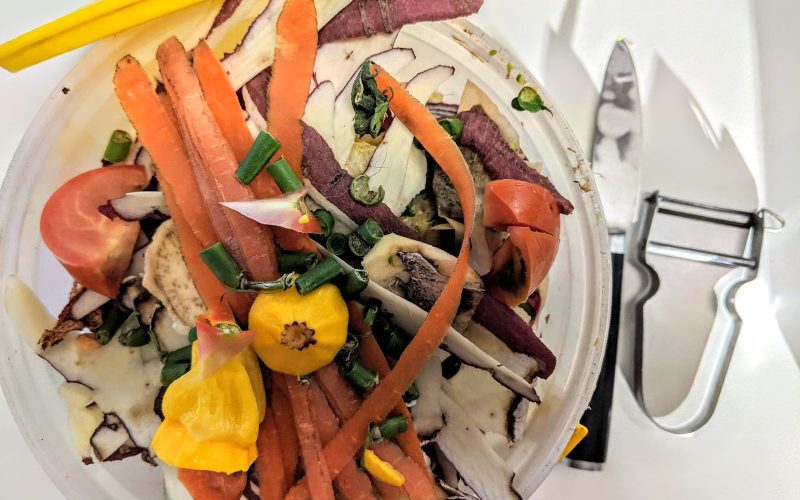
If it does, keep it. If it does not, compost the contents, recycle or refill the jar, and stop pretending. A jar of cumin that smells faintly of dust is not cumin in any useful culinary sense. It is taking up space and giving you flat dinners.
This single exercise usually halves a spice cupboard the first time it is done. Most home spice cupboards have between six and ten jars genuinely worth keeping. The rest are aspirational purchases or relics.
The shelf life of spices
Whole spices last around two years before flavour drops sharply. Ground spices last about a year. Dried herbs are the shortest, six months to a year. Beyond those windows, spices are still technically safe to eat but they are paying their rent in space, not flavour.
What a working spice cupboard actually contains
For most home cooks, a small core of around twelve to fifteen jars covers ninety per cent of cooking. The rest is occasional.
The core dozen
- Salt (fine and flaky)
- Black pepper (whole, in a grinder)
- Cumin (whole or ground)
- Coriander seeds (whole, easy to grind as needed)
- Smoked paprika
- Chilli flakes
- Cinnamon (ground and sticks)
- Bay leaves
- Dried oregano
- Dried thyme
- Garlic granules or powder
- Curry powder or garam masala
This list takes you through ninety per cent of European and North African cooking, most curries, most pasta sauces, most marinades, most roasted vegetables. If you cook a specific cuisine often, add a small block for that: a few East Asian spices, a few Mexican ones, a few Middle Eastern ones. Six to ten extras tops.
The occasional shelf
For spices you use rarely (sumac, ras el hanout, Chinese five-spice), buy them in the smallest size available, label them with the date opened, and use them up within a year. If after a year you still have most of the jar, that is information: you do not actually cook those dishes often, and the next time the recipe asks for them, borrow from a friend or skip it.
Whole vs ground
The single biggest improvement to a spice cupboard is shifting toward whole spices where possible. Whole spices keep their flavour two to three times longer than ground versions. They also taste markedly better when toasted and ground fresh, which takes about thirty seconds.
A small mortar and pestle, or a dedicated small coffee grinder used only for spices, makes this an actual habit rather than a chore. Whole cumin, whole coriander, whole black pepper, whole chillies. Crush as needed.
The exception: some spices are almost always better as ground from a good source, because grinding them at home is tricky. Cinnamon, turmeric, ginger, paprika. Buy small quantities, replace regularly.
Buying spices in smaller, fresher amounts
Supermarket spice jars are usually 25 to 50 grams. That sounds small until you realise that most home cooks use 50 grams of even a popular spice (smoked paprika, cumin) over six to twelve months. Anything you use less than once a month should be bought in the smallest size possible, or from a refill shop in tiny quantities.
Refill shops and bulk spice counters
This is one of the best uses of a refill shop. You can buy 20 grams of sumac, 15 grams of saffron, 30 grams of asafoetida. The packaging is zero, the price per gram is often lower than the supermarket, and you only have what you will actually use. The freshness is usually better too, because turnover is faster.
Some larger supermarkets now have spice refill stations as well. Worth looking out for if your usual shop has one.
Speciality shops
South Asian, Middle Eastern, and East Asian grocery shops are often the cheapest and freshest source of specific spice families. A 200g bag of fresh cumin from a Pakistani grocer costs roughly the same as a 25g supermarket jar and is dramatically more potent. If you cook curry regularly, this is a real saving.
Storage that keeps them alive
Three enemies kill spices: light, heat, and air. Most kitchens get all three wrong.
Light: store spices in a cupboard, drawer, or an opaque container, not on an open shelf above the cooker. Even small amounts of light over months drop the colour and flavour of spices significantly.
Heat: the cupboard above the cooker is the worst possible spot. Heat from cooking accelerates flavour loss. Pick a cupboard or drawer away from heat sources.
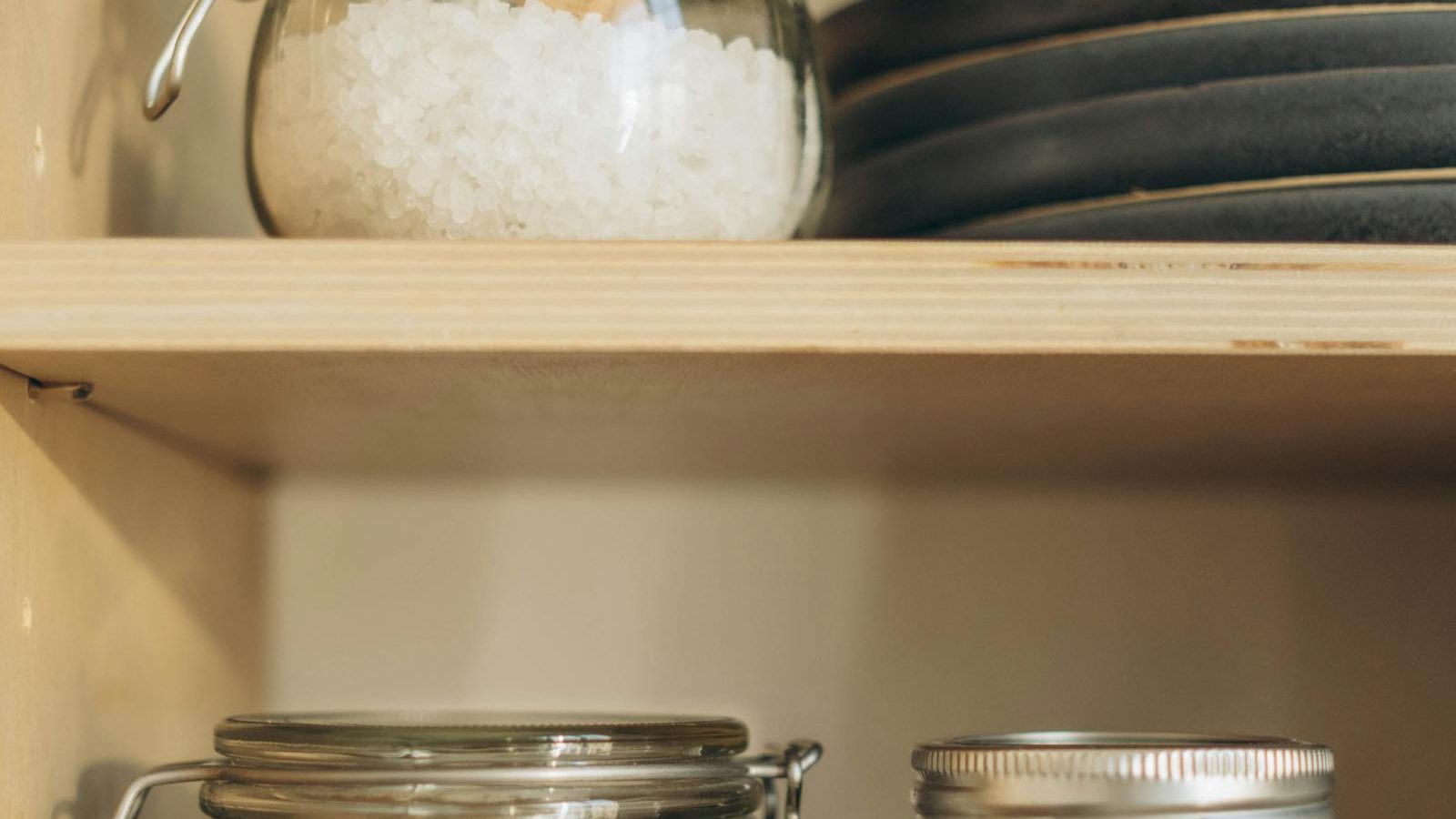
Air: tightly sealed jars only. The classic glass spice jars with metal lids work fine if the seal is good. Avoid clip-bag style packaging for storage; transfer to jars when you bring them home.
The drawer trick
A spice drawer beats a spice cupboard for most kitchens. You can lay jars flat or tilted, see all the labels at once, and reach everything without rummaging. A small wooden insert with angled slots is a cheap one-off purchase that transforms cooking. Reduced rummaging means reduced duplicate buying (which is one of the main causes of spice cupboard sprawl).
The duplicate problem
Most cluttered spice cupboards have at least two jars of two or three different spices. This happens because you cannot find the first jar, so you buy a second on autopilot during the next shop. The drawer trick reduces this. So does a simple front-of-cupboard rule: tallest jars at the back, shortest at the front, like a tiny supermarket display.
One reader, Marta in Bath, took this further. She emptied all her spices into matching small jars labelled by hand, in alphabetical order. “Cumin is between coriander and curry powder. I have never bought duplicates since,” she said. Whether you go full alphabetical is up to you; the principle of visibility is the real point.
What “low-waste” actually means here
The low-waste benefit of a working spice cupboard is layered. Less packaging in (because refill shops or larger bags of frequently-used spices replace lots of small jars). Less product binned (because fresher spices get used). Better cooking (because food made with fresh spices tastes better, which means you eat the meal rather than half-eat it and bin the rest). The overall reduction in waste is significant, even though no single spice jar feels environmentally important.
The cupboard I started this article with is now fourteen jars. All used regularly. All within their windows. The food cooked from them is genuinely better than it was when I had forty-three. The maths is funny, but it works: fewer ingredients, more flavour.
Spend a Saturday morning on the audit. You will be surprised how light, in every sense, the cupboard becomes.
Frequently Asked Questions
How long do spices actually last?
Whole spices last around two years, ground spices about a year, and dried herbs six months to a year. Beyond those windows they are still safe but flavour drops sharply. Write the opening date on the jar to keep track.
Should I buy whole spices and grind them myself?
Where practical, yes. Whole spices last two to three times longer and taste better when freshly ground. A small mortar and pestle or a dedicated spice grinder makes this a thirty-second job. Exceptions are spices that are hard to grind at home, like cinnamon and turmeric.
Where is the worst place to store spices?
In the cupboard directly above the cooker. The combination of heat and steam accelerates flavour loss dramatically. A cool, dark drawer or cupboard away from the stove is the right spot.
Are refill shops worth it for spices?
For occasional-use spices and specialist ones, yes. You can buy 15 or 20 grams instead of committing to a 50g jar. The per-gram price is often lower, and the freshness is usually better because turnover is faster.
How many spices does a home cook really need?
Around twelve to fifteen jars covers most everyday cooking. Add six to ten more for cuisines you cook often. Beyond that, you are storing aspirational ingredients rather than working ones.
How do I stop buying duplicates of spices I already have?
Store spices in a drawer or shallow cupboard where you can see every label at once, and follow a simple visual order. Most duplicate buying comes from not being able to find the first jar.