“You’ll either love it or you’ll quietly hate it for about a fortnight, then love it.” That is what a friend told me when I bought my first bokashi bucket in 2022, and three years on I think she undersold the awkward middle stage. There is genuinely a moment, usually around week three, when you open the lid for the seventh time, breathe in the smell of brewing cider and old onion, and wonder if you have started a science experiment you cannot now put down.
I kept going. I am very glad I did. But almost everything I read at the start was either evangelical or dismissive, and what I needed was somebody to tell me, plainly, what to expect. So that is what this is.
What bokashi actually is
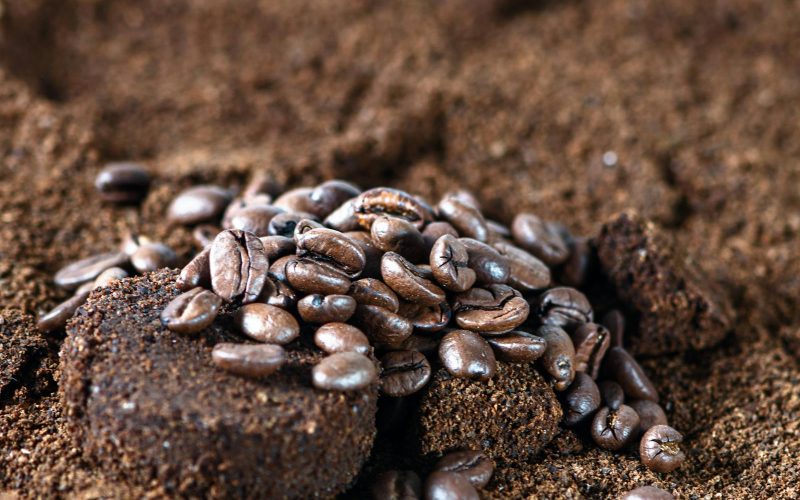
The word “compost” is misleading. Bokashi is anaerobic fermentation, not aerobic decomposition. You put food into a sealed bucket, sprinkle on bran inoculated with effective microorganisms (a mix of lactic acid bacteria, yeasts and phototropic bacteria), press it down to expel air, close the lid, and wait. After about two weeks the contents are pickled rather than rotted. They look broadly the same as when they went in, only softer and faintly slimy, with a smell that hovers between sauerkraut and a brewery loading bay.
That fermented mass is not finished compost. It is pre-compost. To turn it into something soil-like it needs to go into actual soil, where the existing microbial life finishes the job in a fortnight or so. US Composting Council on compost benefits Without that final stage you have a bucket of pickled scraps. Worth knowing before you start, because the question of where the bucket’s contents end up is the question that decides whether bokashi works for your life.
Setting up: what the boxes don’t mention
A standard bokashi kit has two buckets with sealing lids, a perforated false floor, a tap at the base for draining the liquid, and a bag of bran. You alternate the buckets: fill one, leave it to ferment for two weeks while you fill the other. When the second is full, you empty the first.
The bits the box does not mention. The bucket needs to live somewhere room temperature. Cold cupboards, balconies in November, north-facing utility rooms, these slow the ferment to a crawl and tip you towards mould rather than pickling. Mine lives under the sink, next to the bin. The lid needs a proper seal; the cheap buckets with flimsy lids let air in, and air is the enemy. The tap is finicky and will, at some point, drip. Put a tray underneath.
The smell question
Bokashi only smells when the lid is open. With the lid closed, my kitchen has never given any hint that a bucket of fermenting food sits eight inches from the kettle. With the lid open, the smell is recognisably a ferment: sharp, slightly sweet, vinegary, sometimes a beery note. It is not pleasant in the way fresh bread is pleasant, but it is also not the smell of food going off. Once you know the difference, you can read your bucket by sniffing it.
A bucket that smells properly putrid, sulphurous, rotten, ammonia, has gone wrong. Almost always this means too much liquid, too little bran, or air leaking in. Drain it, add a generous handful of bran, press down hard, reseal. In three years I have had one bucket genuinely turn, after I forgot it for a month while travelling.
What you can and can’t add
This is where bokashi shines compared to a worm bin or a backyard heap. You can add cooked food, dairy, small amounts of meat and fish, citrus peel, onion skins, bones in moderation. Almost everything from a normal kitchen goes in. The exceptions are mostly common sense.
- Liquids, soup, gravy, plate scrapings with sauce. Drain first or you will be draining the tap daily.
- Large bones, beef ribs, leg bones. They will not ferment in two weeks and you will end up fishing them out.
- Mouldy food. Bokashi is microbial; existing moulds compete with the ones you are trying to encourage.
- Anything wet enough to pool. Pat fish trimmings dry, drain tea bags.
The cost, plainly
A two-bucket starter kit is between twenty-five and seventy pounds depending on quality. The cheap ones work; the expensive ones last longer and seal better. I have a mid-range pair that have been daily-used for three years with no problems.
Bran is the ongoing cost. A kilo costs five to ten pounds, lasts roughly two months for a two-person household, less if you cook a lot. You can make your own using wheat bran, molasses and EM-1 inoculant, which drops the cost to about a third. I tried this for a winter and the results were inconsistent. I went back to buying it.
What I wish I had known
Three small things that took me too long to work out.
First, press the food down every time you add to it. Hard. Use a potato masher or a clean spirit jar. The compaction expels air and is the single biggest factor in whether your bucket smells like cider or smells like a corpse.
Second, the tea is overrated for houseplants. Properly diluted (one part to a hundred parts water) it is fine for outdoor plants, but most flats do not have a dilution-friendly schedule. I tip it down the sink, where it acts as a drain cleaner and noticeably reduces the gulping noise from my kitchen pipes.
Third, the finished bucket does not have to go into a garden. I bury it in a large outdoor planter on the balcony, in a deep window box, in a friend’s allotment, or into the council food caddy where the council accepts pre-ferment (most do). The “what do I do with it” panic is solvable with five minutes of asking around.
Would I recommend it
To a single person or couple in a small space, who cook actual meals and produce all sorts of scraps including meat and dairy, bokashi is the most flexible composting method I have used. To a family of six with an outdoor heap already going, probably not, a heap will eat the same scraps without buying bran.
The bucket sits under my sink. I empty it every fortnight. It costs me about three pounds a month, and somewhere around a hundred and twenty kilos of food a year that would otherwise have gone into landfill now becomes soil. Quietly, with a lid on.
Frequently Asked Questions
Does a bokashi bucket really not smell?
Closed, no. Opened, it smells of fermentation — sharp, slightly sweet, vinegary. People often expect rot and are surprised to find something more like brewing. If it smells genuinely putrid, something has gone wrong and needs fixing.
Can I put cooked food and meat in bokashi?
Yes. This is one of bokashi's real advantages over worm bins or backyard heaps. Cooked food, dairy, small amounts of meat and fish all ferment fine. Avoid large bones and pooling liquids.
Do I have to buy the special bran?
You need an inoculant of some kind — bran is the standard form, but you can buy EM-1 liquid and apply it to your own wheat bran. Making your own is cheaper but inconsistent. Most people buy the bran for the predictability.
What if I have nowhere to put the fermented contents?
Many councils accept it in food waste collections. Community gardens, allotments and gardening neighbours usually welcome it. You can also bury it in a large planter or window box, where it finishes breaking down in a fortnight.
How long does the fermentation actually take?
Two weeks once a bucket is full and sealed. That is why most systems use two buckets — one ferments while the other is being filled. Cold rooms slow this down significantly.
Is the liquid that drains out really plant food?
Diluted heavily (around 1:100) it can feed plants, especially outdoor ones. In a flat without a routine for dilution, most people pour it down the sink, where it actually keeps drains clear.