There is a particular irony in buying a brand-new set of glass jars to replace plastic packaging, when the cupboard above the fridge already contains six perfectly good jars that once held pasta sauce. I have done this. I am not proud of it. It took me embarrassingly long to realise that “going low-waste” had quietly become its own shopping habit.
The cleanest, cheapest and least wasteful version of replacing single-use items is not to buy reusables at all. It is to use what is already in your house, properly. James Clear’s three-R model for habit change Almost every home has enough latent kit to handle most single-use swaps without any new purchase whatsoever.
Start with a fifteen-minute audit
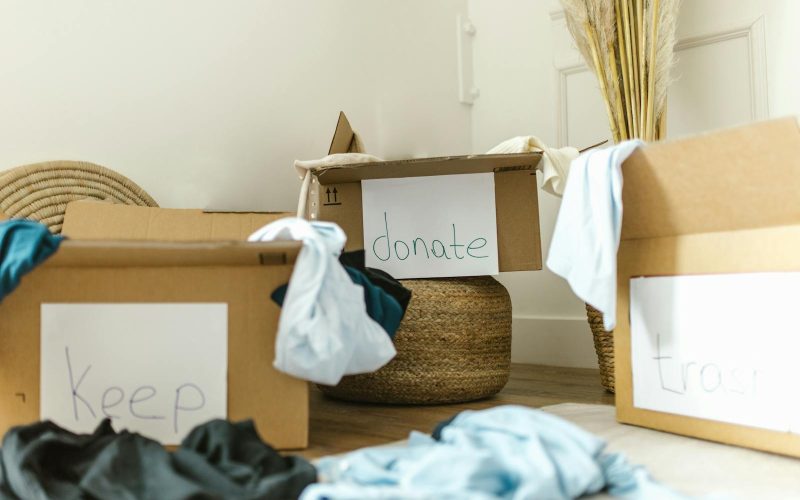
Before you buy a single thing, do a small audit. Walk slowly through the kitchen, the bathroom and the hallway. Open every drawer you do not usually open. Look at the top shelves. BJ Fogg’s Tiny Habits primer Ask one question. What is in here that I am not using?
You are looking for things in three categories. Glass containers, fabric items, and “old but functional” hardware. Almost all of the reusable swaps people buy fall into one of these three.
Glass containers
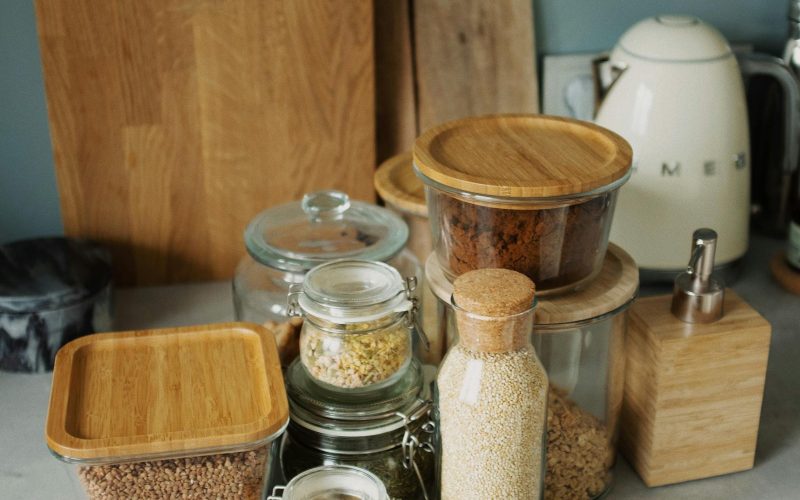
Most homes contain a small treasury of glass jars. Pasta sauce jars, jam jars, mustard jars, olive jars and the slightly fancy ones from the deli. These are the workhorses of a low-waste kitchen. They store leftovers, bulk grains, bathroom cotton buds, sewing pins, screws in the shed and, with a label, almost anything else.
If you wash and keep two jars a week from things you would have bought anyway, you will have more than a hundred in a year, which is far more than any household actually needs. The trick is to develop the habit of soaking off labels and putting jars on a particular shelf as they appear, rather than into the recycling. I keep a small box on top of the fridge labelled “jar drying”, which makes the habit visible.
Fabric items
The second category is even more underused. Most homes contain old t-shirts, towels, sheets and pillowcases that have moved past their best but are still useful. Cut them up and they replace paper towels, cleaning wipes, dust cloths, produce bags, gift wrap and a half-dozen other single-use items. A retired bath towel is a year’s worth of kitchen cloths if you cut it into squares.
An old pillowcase is a perfectly good bread bag. A clean t-shirt is a produce bag at the market if you stitch the bottom or knot it. None of this is new advice, but it is constantly drowned out by adverts for “specialist” versions of these things in nicer colours.
- Old t-shirts cut into squares for cleaning cloths
- A pillowcase as a bread or loose-veg bag
- A worn-out towel quartered for floor mops or pet cleanup
- A retired tea towel as a flat sandwich wrap
- An old shirt as a stuffing rag for boots or wet shoes
Old but functional hardware
The third pile is the slightly forgotten one. The flask in the back of the cupboard that you have not used since a camping trip in 2019. The old metal lunch tin from when the kids were small. The picnic basket with the cracked lid. These items are typically in better shape than anyone expects and replace very specific single-use items, takeaway containers most of all.
Match the swap to the item, not the marketing
The way most people approach single-use swaps is to buy “the reusable version of x”. The way to do this properly is to start with the actual item being replaced and ask what already in the house could do the job, before considering a purchase.
| Single-use item | What you probably already own |
|---|---|
| Paper towels | Cut-up old t-shirts or tea towels |
| Cling film | A plate over a bowl, a jar with a lid, or a beeswax wrap you already have |
| Cotton pads | Squares of old soft cotton, hemmed or just cut |
| Plastic produce bags | Old pillowcases, light bags or just no bag at all |
| Takeaway containers | Glass jars, lunch tins, retired Tupperware |
| Disposable napkins | Cloth napkins, or quartered tea towels |
This table will look obvious to some people. The reason it is here is that almost every reader I have spoken to has confessed to buying at least one new reusable item that they later realised they already owned in another form. The cling film one in particular catches almost everyone. A plate over a bowl does the same job ninety per cent of the time.
When buying new is the right answer
This is not a piece arguing you should never buy a reusable item. There are categories where a purpose-built reusable is genuinely better than an improvisation. Water bottles, hot drink cups for taking out and certain cooking items have proper reusable versions that significantly outperform a jam jar.
The rule I use is this. If I have used the improvised version for at least a month, and it has either worked perfectly or shown me clearly what the proper version needs to do, then a purchase is justified. Buying the proper version before the improvised version has been tested is usually a way of buying the wrong one.
Second-hand first
Even when a purchase is right, second-hand should be the first stop. Charity shops, marketplace listings, freecycle groups and old-fashioned word of mouth turn up an extraordinary number of reusable items that someone else bought, did not stick with and is now happy to pass on. Glass jars, flasks, lunch boxes, food covers, beeswax wraps and cotton bags all show up in these channels regularly.
The trap of becoming a collector
There is a particular trap in this corner of the internet, which is collecting reusables as if they were the goal. They are not. The goal is fewer single-use items leaving the house in the bin. If you own forty cotton bags and fifteen reusable cups, you have not actually solved the problem, you have just moved it. Two cotton bags used regularly do more than thirty kept in a drawer.
The honest version of “going reusable” is closer to “going boring”. A small set of items, used hard and used often, replacing the same single-use things week after week. No collection. No matching set. Just a couple of jars in regular rotation and a stack of old t-shirts that nobody would mistake for a Pinterest photograph.
What to do this week
Pick one single-use item that you use almost every day. Spend half an hour finding three things already in the house that could replace it. Start using whichever feels easiest. Give it two weeks. If it works, keep going. If it does not, you have learned something useful and can make a more accurate purchase later, knowing exactly what the failing version was missing.
This is not a sexy approach. It will not photograph well. But it is by some distance the lowest-waste, lowest-cost way to make a real shift in your household, and it has the additional benefit of clearing out a few drawers in the process.
Frequently Asked Questions
Is it really better to use old t-shirts than buy proper cloths?
Almost always, yes. Manufacturing dedicated reusable cloths still has an environmental cost. Using something you already own avoids that cost entirely and gives the t-shirt a second life before it becomes textile waste.
How do I store loose jars without making the cupboard chaotic?
Pick one shelf. Keep only the sizes you actually use, usually small, medium and large. Recycle the rest. A drawer of mismatched jars helps no one. A shelf with twelve good ones in three sizes is plenty.
Are old cotton t-shirts hygienic for kitchen use?
Yes, provided you wash them on a warm cycle regularly. They are no different in principle from cotton tea towels or flannels. Keep separate batches for kitchen and bathroom use.
What about beeswax wraps, do I need them?
Most people do not. A plate over a bowl handles the majority of leftovers. Wraps are useful for specific things like half-cut cheese or wrapping a sandwich, but they are easy to overspend on early.
Where should I start if I have never tried this?
Paper towels. Replace them with a stack of cut-up old t-shirts kept in a basket on the worktop. It is one of the easiest swaps to make using only things you already own.
Is it worth buying second-hand reusables?
Yes, especially flasks, lunch tins, glass containers and produce bags. Charity shops and online marketplaces are full of barely used items at a fraction of the retail price.