The first time I tried “batch cooking” I was twenty-four, full of Sunday energy, and made enough chilli con carne to feed me for nine days. I ate it for four and then never wanted chilli again. The freezer held the remaining portions for nine months until I quietly composted them.
The mistake was simple. I had confused “batch cooking” with “cooking the same meal in bulk.” These are not the same thing. The first is a clever, flexible kitchen habit. The second is a one-way ticket to leftover fatigue.
This is a beginner guide that avoids the trap. The principle: cook one big base, then transform half of it into a different meal a day or two later. Same effort. Two different dinners.
The shape that works
A useful batch cook starts with a base that is deliberately neutral or slightly under-seasoned. You then split it. Half becomes Meal A in its full glory. The other half is stored, and on a different day, takes on a new identity through a couple of additions. the USDA FoodKeeper app
Examples make it clearer.
- Roasted chicken thighs in lemon and garlic. Meal A: with roast potatoes and greens. Meal B: stripped, tossed into a wrap with yoghurt and pickled onions.
- A pot of lentils cooked with onion and bay. Meal A: spiced into a dahl. Meal B: warmed with feta and roast veg as a grain bowl.
- A tray of roasted root vegetables. Meal A: served with grilled halloumi and tahini. Meal B: blended into a soup with stock.
- Slow-cooked shredded pork or jackfruit. Meal A: with rice and slaw. Meal B: stuffed into a baked potato with cheese.
Each base is one cooking session of perhaps forty-five minutes. Each delivers two meals that feel different.
Why the under-seasoning matters
This is the subtle bit. If you finish the base with strong, specific flavours (deep chilli heat, lots of soy sauce, a particular herb), it limits where it can go next. Keep the base savoury but flexible. Salt, pepper, onion, garlic, herbs. Add the strong identity later, when each half becomes its specific meal. That single discipline transforms the whole approach.
How to actually plan one
Think of a batch cook as a two-meal plan, not five. Pick a Sunday or a slow weekday evening. Choose one base you fancy. Decide in advance what the two meals will be.
Write the plan on a scrap of paper:
Sunday: roast chicken thighs with potatoes and broccoli (full meal)
Tuesday: chicken wraps with yoghurt and pickled red onion (reuse meal)
That is the whole document. Two lines. The cooking on Sunday makes both. The wraps on Tuesday take fifteen minutes because the meat is already cooked.
The right amount, not the maximum amount
The temptation is to cook as much as the pot will hold. Resist this. Cook enough for two meals, not for a small banquet. The point is variety, not volume. Two meals from one cooking session is the magic ratio. Beyond that, you slide into chilli-for-nine-days territory.
Storing the second half well
How you store the reserved half matters because it directly affects whether the second meal happens or whether it sits in the fridge accusingly.
Use a container that is the right size, not bigger. A bowl-sized portion of cooked lentils in a tub three times too big looks pathetic and starts to dry out. Right-sized containers also stack better.
Label clearly. “Cooked chicken, for Tuesday wraps, made Sunday.” Future-you, looking at the fridge on Tuesday evening, knows exactly what is going on. No second-guessing.
Place it on the eat-me shelf at eye level. The reserved batch should not be in the back of the fridge competing with random items. It is the planned Tuesday meal.
Six base recipes that batch well
If you want a starting list, these are the most flexible. All of them split into two cleanly.
Roasted chicken thighs
Six to eight bone-in thighs roasted with lemon, garlic, and rosemary. Meal A as a roast. Meal B shredded into wraps, grain bowls, or salads.
A pot of lentils or chickpeas
Plain cooked pulses with onion, garlic, and bay. Meal A into a dahl or curry. Meal B into a quick grain bowl or a salad.
Tomato sauce base
Onion, garlic, tinned tomatoes, basil, slowly cooked. Meal A as pasta sauce. Meal B as the base for a shakshuka or a baked dish.
Roasted vegetable medley
Whatever veg are in season: peppers, courgettes, aubergines, squash. Meal A with halloumi and tahini. Meal B blended into a soup, or layered into a frittata.
Slow-cooked beef or jackfruit
Long, low cook with onion, stock, and basic spices. Meal A as a stew. Meal B shredded into tacos, baked potatoes, or pies.
A big batch of cooked grains
Rice, quinoa, freekeh, pearl barley. Cook plain. Meal A as the side to a fresh dinner. Meal B turned into fried rice or a grain salad with a punchy dressing.
The reheat that does not feel sad
Half the battle with reused food is reheating in a way that does not feel apologetic. Three small habits matter.
First, never microwave anything you can hot-pan-fry. Fried-leftover-rice is delicious. Microwaved leftover rice is fine. The texture difference is significant.
Second, add a fresh element to every reuse meal. A handful of fresh herbs, a squeeze of lemon, a spoonful of yoghurt, a few raw red onion slices. The fresh element resets the meal mentally and shifts it from “leftover” to “thing I made.”
Third, change the carb. If Meal A was on potatoes, Meal B is in a wrap. If Meal A was on rice, Meal B is in a baked potato. The carbohydrate change is the single biggest signal to your brain that you are eating a different meal.
What batch cooking is not
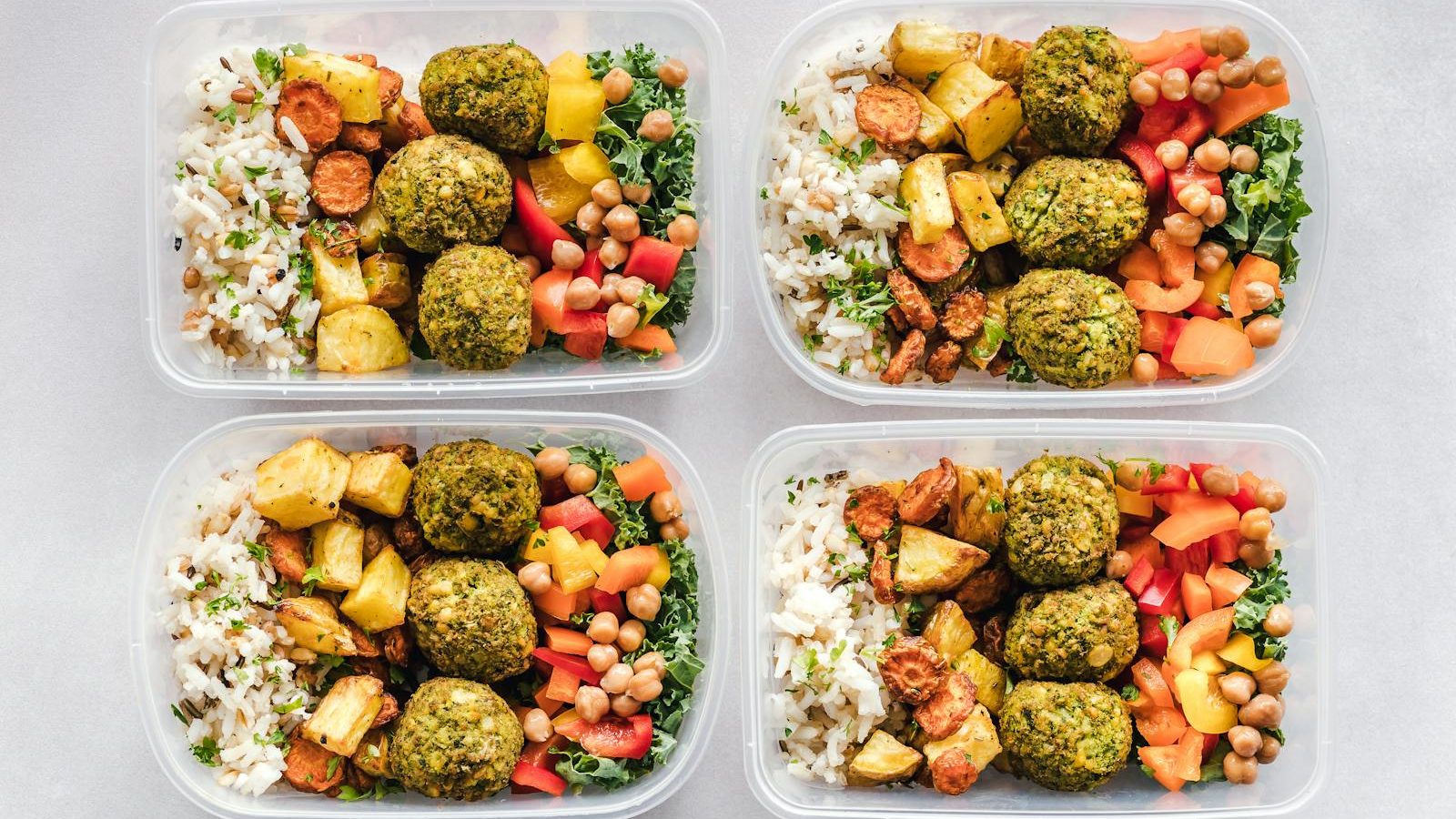
It is not meal prep in the Instagram sense, where six identical plastic boxes line up Sunday afternoon. It is not making twelve portions of one thing. It is not freezing half the kitchen.
It is one slightly longer cook on a chosen evening, producing one meal eaten the same day and one set of components for a different meal a day or two later. That is the whole idea. Smaller, less heroic, much more sustainable as a habit.
The pace that lasts
People who succeed at batch cooking long-term tend to do it once or twice a week, not five days running. A Sunday batch and a Wednesday batch covers four of the week’s dinners with two cooking sessions. The rest of the week is light: salads, eggs, the use-it-up dinner. That pace, more than anything, is what keeps it going past the initial enthusiasm.
The chilli-for-nine-days era of my early twenties is long over. I still batch cook. I just stopped confusing it with bulk cooking. The freezer is happier. So am I.
Frequently Asked Questions
What is the difference between batch cooking and meal prepping?
Meal prepping usually means making many portions of the same meal in advance, often for a whole week. Batch cooking, done well, means cooking a flexible base that becomes two different meals. The first risks leftover fatigue. The second keeps variety.
How much should I cook in a single batch?
Enough for two meals, not five. Doubling a normal recipe usually gives the right amount. Tripling or quadrupling tends to lead to wasted food or eating the same thing too many days in a row.
How long does cooked food keep in the fridge before I should freeze it?
Three to four days is the practical window for most cooked dishes containing meat or pulses. If you will not eat the reserved half within that time, freeze it the same day you cook it and label clearly.
Should I season the base fully or leave it plain?
Lightly season. Salt, pepper, onion, garlic, a basic herb. Strong, specific flavours like chilli, soy sauce, or particular spice blends limit where the second half can go. Add the strong identity when each half becomes its specific meal.
Can I batch cook with limited freezer space?
Yes. The two-meal approach is built for fridge use, not freezer use. The reserved half goes in the fridge for use in the next day or two, not into long-term freezer storage. Freezer batches are a separate, less urgent project.
What is the simplest batch cook to start with?
A pot of tomato sauce. It freezes well, splits well, and becomes pasta on day one and shakshuka or baked eggs on day two with no skill required. It is the most forgiving starting point.