Three years ago, a recycling facility in West London caught fire in the middle of a Tuesday morning. The cause was a lithium-ion battery from a vape, thrown into mixed recycling, crushed by sorting machinery, and ignited. The fire took six hours to contain and destroyed several thousand pounds of equipment. This kind of incident is no longer rare. It’s now one of the most common ways a sorting facility goes offline, and the cause almost always traces back to a household that didn’t know better.
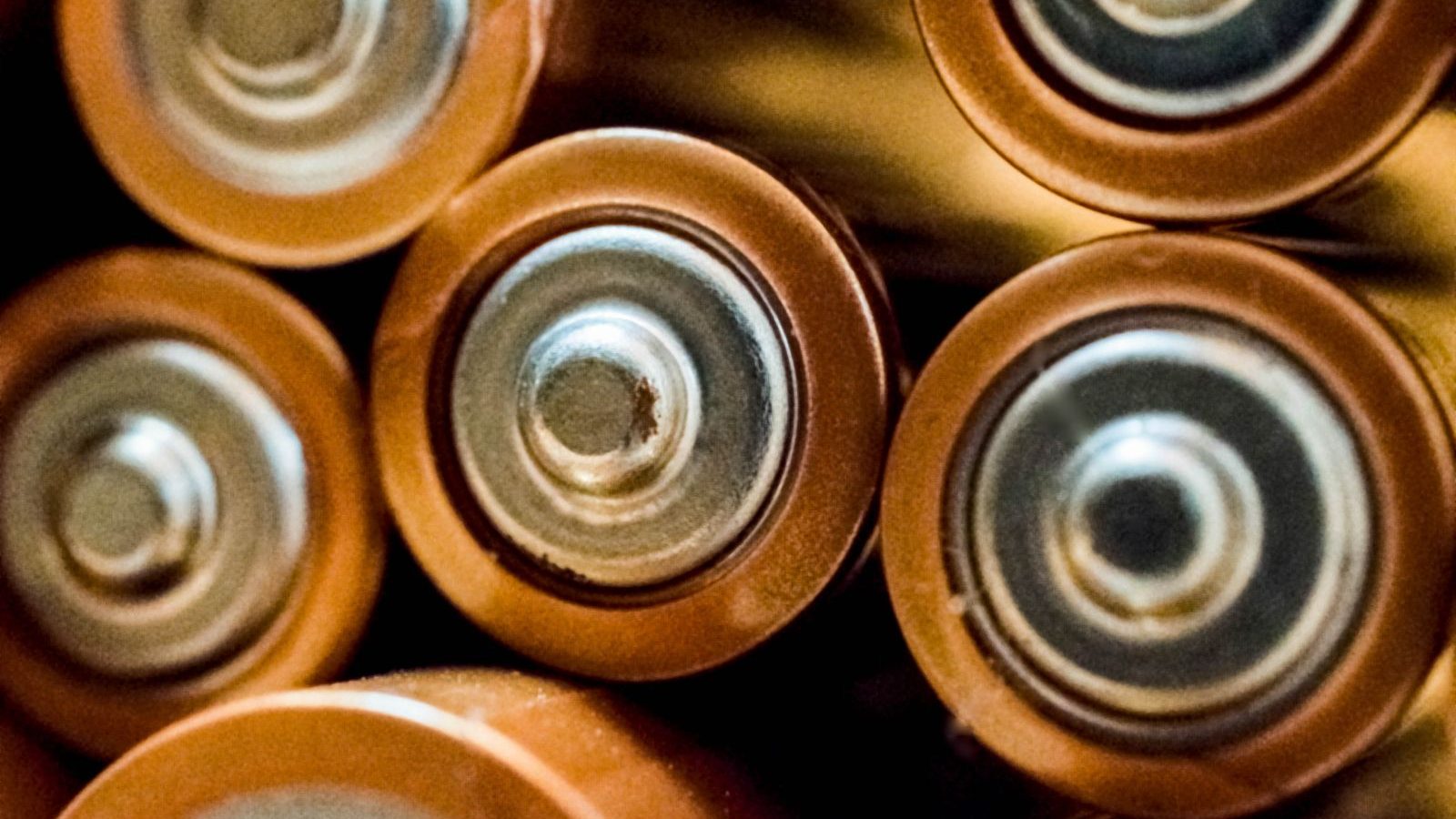
Battery recycling isn’t glamorous, and most of us forget about it until a remote control stops working. But it matters more now than ever, because the type of batteries in our homes has shifted from the relatively benign alkaline AA to a much wider mix that includes lithium, NiMH, and various button cells. Each requires different handling, and several pose genuine fire risks if mistreated. The good news is that proper disposal is easier than people think.
What never goes in any bin
Not the recycling, not the general waste, not the food caddy. No battery of any kind belongs in any of those streams. Even an apparently dead AA can have enough charge to short-circuit and start a fire. A swollen lithium pack is a definite hazard. The risk isn’t theoretical, it’s the leading cause of waste facility fires in the UK and Europe. the EPA’s recycling FAQ
The fix is to keep a battery jar at home. Any glass jar with a wide mouth works. Drop dead batteries in as they appear. When the jar is half-full, take it to a battery collection point, almost every supermarket has one, plus most hardware shops and many independent retailers.
The household battery types
- Alkaline AA, AAA, C, D, 9V, the everyday types. Single-use. Recyclable at any collection point.
- Rechargeable NiMH, same shapes as alkalines, slightly heavier, marked “rechargeable.” Recyclable.
- Lithium-ion, phones, laptops, power tools, electric toothbrushes. Heavier, often embedded. Recyclable as small electricals.
- Button cells, watches, hearing aids, small toys. Tiny. Need to be tape-secured before recycling.
- Lithium primary, high-end cameras, smoke alarms. Single-use lithium. Recyclable but rare.
- Vape batteries, disposable vapes contain lithium-ion. Hugely problematic. Need WEEE collection.
- Car batteries, lead-acid. Always handled by a garage or auto centre.
The tape trick for button cells
Button cells are small enough to short-circuit if they touch each other or any metal. The simple fix: a small piece of clear tape over each terminal. Wrap a piece around the cell so both faces are covered. Drop in your battery jar. Takes ten seconds, prevents the most common cause of battery fires.
You can do the same for 9V batteries, which have both terminals on the same end and are particularly prone to short-circuiting in a drawer.
Where to take them
| Battery type | Best home |
|---|---|
| AA, AAA, button cells | Supermarket battery bin, hardware shop |
| Lithium-ion (loose) | HWRC battery bay, supermarket |
| Lithium-ion (in device) | WEEE collection point |
| Vapes | HWRC, some supermarkets (e.g. Sainsbury’s) |
| Car battery | Garage, auto centre, HWRC |
| Old laptop battery | HWRC or manufacturer return scheme |
| Power tool battery | HWRC or retailer take-back |
What recycling actually recovers
A typical alkaline battery is 30 percent steel, 25 percent zinc, plus manganese, graphite, and trace metals. Lithium-ion is 5 to 10 percent lithium, 15 percent cobalt, 10 percent nickel, plus copper, aluminium, and graphite. All of these are valuable, especially the cobalt and nickel. Modern battery recyclers can recover 90 percent of the mass and most of the high-value metals. The economics are good enough that several specialist UK firms now operate commercial battery recycling lines.
The catch is that they need to receive batteries safely. A facility fire from one mishandled lithium pack costs more than the value of every battery they’ve processed that month. Hence the strict separation at every stage.
The growing vape problem
Disposable vapes are a relatively recent disaster. Each contains a small lithium-ion battery, a heating coil, and electronics, none of which are designed to be recovered, and all of which end up in general waste in vast numbers. Estimates suggest the UK throws away around five million disposable vapes a week. Many start fires.
The right home is a WEEE collection. Several supermarkets and electronics retailers now have dedicated vape disposal bins. Disposable vapes will likely be banned in the UK within the next year or two, but until then, never put them in any household bin.
Devices with embedded batteries
An electric toothbrush, an old phone, a Bluetooth speaker, a wireless keyboard, all contain embedded lithium-ion batteries that are difficult or impossible to remove at home. Don’t try to pry them out unless you know what you’re doing; damaged lithium cells are particularly volatile. Instead, take the whole device to a WEEE collection point. The facility removes the battery safely and recycles both parts separately.
A reader called Pavel in Birmingham wrote about his “small electricals cardboard box” kept in the porch. Every dead gadget goes in. Once a month he walks it to the council’s WEEE drop-off, fifteen minutes away. “It’s a small commitment,” he wrote. “But it stops me throwing anything in the wrong bin.”
Storage before disposal
If you can’t take batteries to a collection point immediately, store them in a cool, dry place, with terminals taped, in a non-metallic container. The two enemies are heat and short-circuits. A glass jar on a hallway shelf is fine. A pile loose in a drawer with metal hair grips is a quiet fire risk.
Damaged or swollen batteries need extra care. A swollen lithium cell is venting gas and on the way to igniting. Put it in a container of dry sand or kitty litter, take it to the HWRC the same day, and don’t store it indoors.
The smoke alarm question
Smoke alarm batteries, usually 9V or specialist lithium, need recycling like any other. Don’t put them in general waste. Many smoke alarms now come with sealed-in 10-year batteries, in which case the whole unit goes for WEEE collection at end of life.
A small ritual
If you put a single sentence on a Post-it note on your fridge, it could be: “battery jar by the door, empty monthly.” That covers nearly all household batteries, prevents nearly all incidents, and takes essentially no time. The biggest barrier to good battery disposal isn’t access, collection points are everywhere, it’s remembering to bring them. A visible jar solves the remembering.
Few household habits give as much benefit for as little effort. The fires you don’t cause, the metals you do recover, the kitchen drawer that stops being a hazard, all of it from a jam jar on a shelf.
Frequently Asked Questions
Why are batteries dangerous in regular bins?
They can short-circuit and ignite when crushed, especially lithium-ion. Even apparently dead alkalines retain enough charge to spark. Fires at sorting facilities almost always trace back to batteries.
Where can I drop off household batteries?
Most UK supermarkets, hardware shops, and electronics retailers have collection boxes near the entrance. Look for a plastic box labelled with battery icons.
Do I need to tape battery terminals?
For button cells and 9V batteries, yes — they short-circuit easily. For AA and AAA cells stored in a jar, it's a sensible precaution but not strictly necessary if they're not touching metal.
What about disposable vapes?
They contain lithium-ion batteries and need a WEEE collection point, not a regular bin. Several supermarkets now have dedicated vape bins. Never put them in mixed recycling.
How do I dispose of a swollen battery?
Place it in dry sand or kitty litter to insulate it, then take it to the household waste centre the same day. Don't store it indoors — it's on the way to igniting.
Can I open a device to remove a battery before recycling?
Only if you have proper tools and know how. Damaged lithium cells are volatile. For most embedded batteries, take the whole device to a WEEE collection point and let them handle it.