The default advice for reducing packaging waste goes something like this: buy the biggest size you can find. Bigger bag, less plastic per kilo, fewer trips to the shop. It sounds intuitive. It is also, in roughly a third of cases, wrong.
The honest version of this advice is: bulk saves waste when you finish what you buy. When you don’t finish, the maths flips, and you’ve actually generated more waste, the food and the packaging combined, than if you’d bought a smaller portion.
Knowing when bulk works and when it doesn’t is one of the more useful skills in low-waste shopping. Consumer Reports on cutting food waste and cost Here’s the working knowledge.
The maths in plain numbers
Take a simple example. A 500g bag of rice has roughly 5g of packaging. A 5kg sack has roughly 25g. The bigger sack contains ten times the rice for five times the packaging. Per kilo of rice, the bigger format generates half the packaging.
But, and this is the part the slogan version skips, only if you eat all the rice. the Ellen MacArthur Foundation’s circular economy overview If you buy a 5kg sack, eat half of it, and the rest gets damp or weevily and gets binned, you’ve generated 25g of packaging and 2.5kg of food waste. The smaller bag, used up entirely, generates 5g of packaging and zero food waste. The smaller format wins.
Food waste, by volume, is environmentally costlier than the packaging it comes in. A kilo of rice represents far more water, energy and emissions than a few grams of plastic. Saving 20g of packaging by throwing away 1kg of rice is a terrible trade.
What buys well in bulk
The general principle is: anything you use regularly, that stores well, and that you have space for.
Pantry staples with long shelf lives
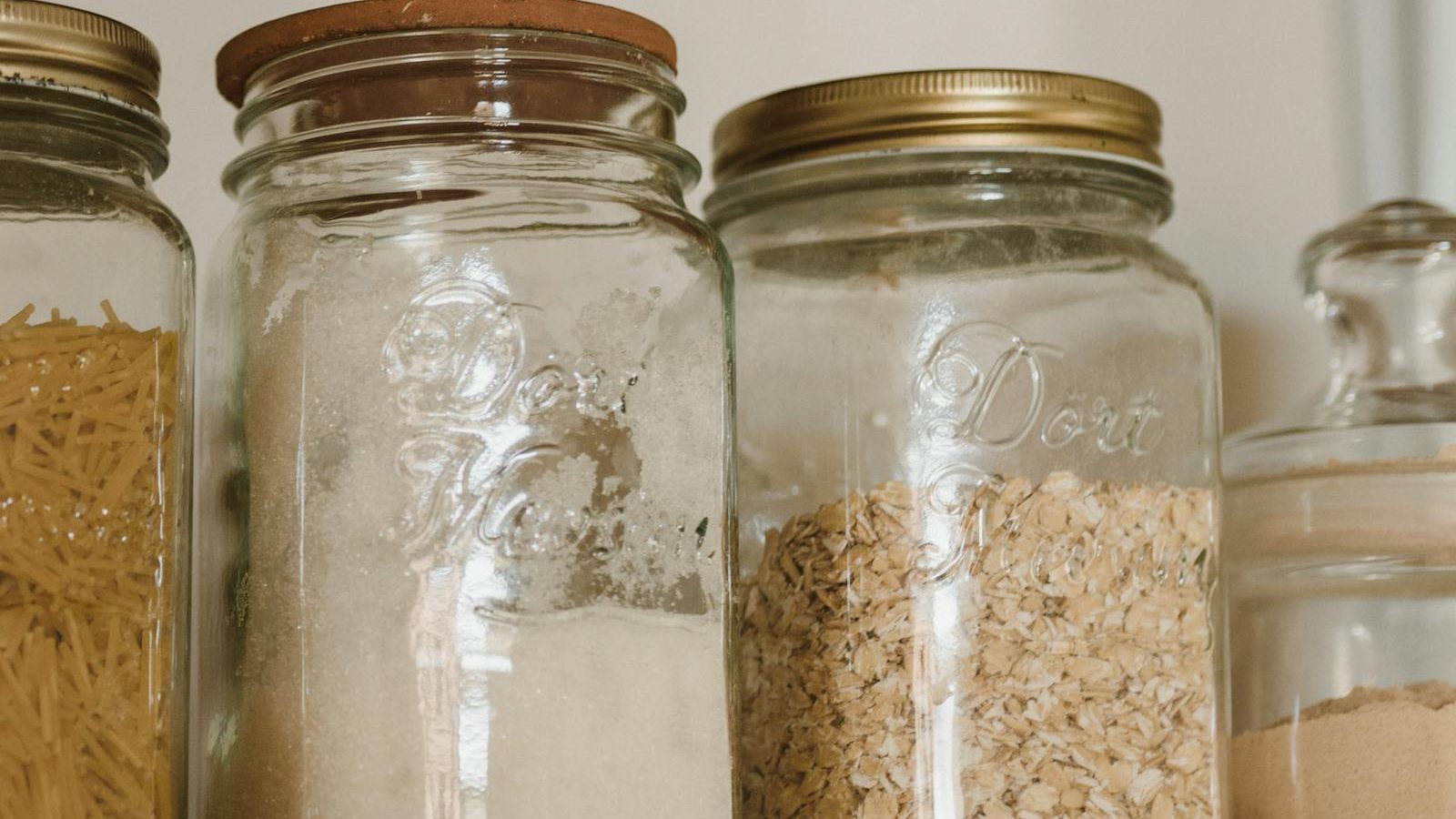
Rice, pasta, dried beans, lentils, oats, flour, sugar, salt. Properly stored in an airtight container, these last for months or longer. If you actually cook with them, a bigger bag will be used up before it goes off.
Cleaning products you use weekly
A 5-litre bottle of laundry detergent or washing-up liquid generates much less plastic per wash than five 1-litre bottles. The catch is whether you can lift it home and store it under the sink.
Personal care items with long shelf lives
Shampoo, conditioner, hand soap. The larger bottles or refill pouches make sense if you actually use them up.
Pet food
If you have a dog, the difference between a 2kg bag of dry food and a 15kg sack is enormous. Same food, fraction of the plastic.
What backfires in bulk
Fresh and short-life foods
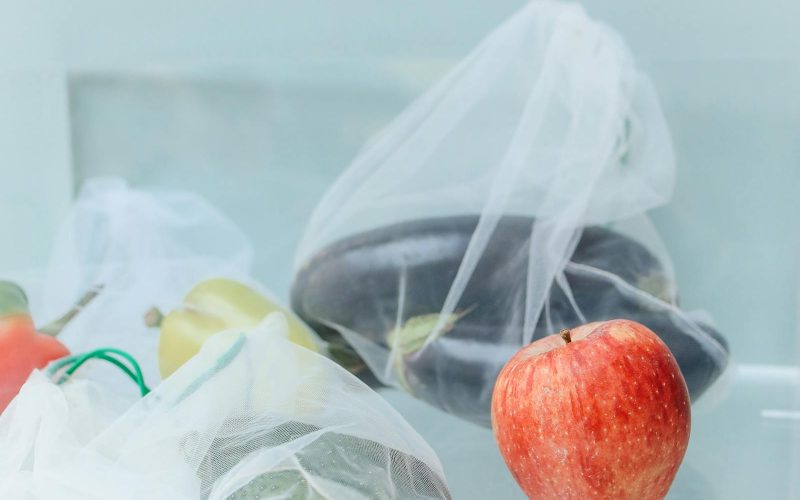
A kilo of mushrooms bought because it was a better per-kilo price than 250g is a tragedy waiting to happen if you don’t cook them within four days. The same logic applies to bagged salad, fresh herbs, soft fruit, fish and most meat (unless you freeze it the day you buy it).
Items you don’t actually use often
A 1kg bag of pumpkin seeds bought because it was “good value” sits in the back of the cupboard for two years and then gets thrown out. The 200g bag would have been finished and not wasted.
Anything that goes stale
Crackers, biscuits, nuts that aren’t in an airtight container, ground spices, ground coffee. These lose quality fast, and the bigger format gets less appealing as it ages.
Specialty cleaning or DIY products
That huge tub of “all-purpose” cleaner you bought because it was on offer is now using up cupboard space and you only use a small amount each month. Smaller is sometimes better here.
The household-size factor
Bulk shopping logic depends heavily on how many people you’re feeding. For a single person, almost everything is a “bulk” question, even a 500g bag of pasta lasts weeks. For a family of five, a 5kg bag disappears in a fortnight.
The rule of thumb: buy a size you’ll finish within the shelf life of the product after opening. For oats, that’s roughly a year. For oils, three to six months. For ground coffee, four to six weeks. For most dried beans, two years.
The storage reality
Bulk only saves waste if you can store it properly. A 5kg sack of flour in a damp kitchen will go off in weeks. The same sack decanted into airtight containers in a cool cupboard lasts months.
Essential storage for bulk pantry shopping:
- Airtight containers, old jars work fine, you don’t need new ones.
- A cool, dry cupboard or shelf, heat is the enemy of most dry goods.
- Labels with dates, see callout above.
- A FIFO system (first in, first out), keep newer purchases behind older ones so you use the old ones first.
The bulk-buying psychology
There’s a small mental trap in bulk shopping that’s worth naming. The bigger format often feels like a “good decision,” even when you don’t actually use the product enough to justify it. Warehouse clubs and big-box stores are designed around this. The 3kg jar of mayonnaise feels like savings until you realise you used half of it in a year and binned the rest.
The honest test is this: how often do I actually use this product, and how long will the bigger size last? If the answer is “I’ll use it once a month” and the size is 2kg, you have a problem.
A practical decision rule
Here’s the rule I use when standing in front of two sizes of the same product:
- Can I finish the bigger size before it expires or goes stale?
- Do I have space to store it properly?
- Is the per-unit saving meaningful (more than 10%)?
- Is the packaging meaningfully reduced (more than 30% less per unit)?
If yes to all four, buy big. If no to one, think harder. If no to two or more, buy the smaller size.
The honest summary
“Buy in bulk” is one of those pieces of advice that works in a narrow band of conditions and fails outside it. The narrow band, staples you use often, in a household that has storage and consistent consumption, is a real and useful one. Outside it, you generate more waste, not less.
The point of all of this is not to optimise endlessly. It’s to notice that the size of the bag and the size of your usage need to match. When they do, bulk wins. When they don’t, the smaller size is the lower-waste choice, regardless of what the per-kilo price says.
Frequently Asked Questions
Is buying in bulk always better for the environment?
No. Bulk only saves waste if you finish the product before it expires. For staples you use often, it's a clear win. For items you use rarely or that spoil fast, the smaller size is usually better.
How do I know what size to buy?
Estimate how long the bigger size will last at your usual rate of use. If it's within the product's shelf life and you have space to store it, the bigger size makes sense.
What's the biggest mistake people make with bulk shopping?
Buying large quantities of items they don't use regularly because the per-unit price looks good. The packaging savings disappear when half the product is binned.
Does bulk shopping save money?
Usually yes per unit, but only if you finish what you buy. Throwing away half a bulk purchase costs more than two smaller purchases would have.
How should I store bulk pantry items?
Airtight containers in a cool, dry cupboard. Old jars work fine. Label with the purchase date and use older stock first.
Are warehouse clubs and big-box stores worth it?
For families with high consumption, yes for some items. For smaller households, the membership cost rarely pays back, and the impulse to buy large quantities of less-used items can create waste.