
I once watched a friend spend £37 at a farmer’s market on, by her own admission, “one loaf of sourdough, a tiny jar of honey, two scones I didn’t need, and a pot of something I still can’t identify.” She had a lovely time. She had not, however, done a shop.
Farmer’s markets are wonderful, and they are also engineered, gently, to make you spend. The atmosphere is good, the food is beautiful, the stallholders are charming. You arrive thinking you’ll buy a few apples and leave with a wedge of artisan cheese, two types of olive oil, and a bunch of dahlias. None of which you needed.
It is entirely possible to shop a farmer’s market well, eat better for it, and not overspend. Here’s how the regulars do it.
What farmer’s markets are actually good at
Markets vary, but most do a few things genuinely better than supermarkets:
- Seasonal produce, especially the unusual varieties supermarkets don’t stock. US PIRG’s reports on consumer waste
- Eggs from small producers, often half the price of supermarket “premium” eggs.
- Real, fresh herbs sold in bunches, not plastic clamshells.
- Bread from actual bakers, which lasts longer than supermarket bread because it isn’t pumped full of dough conditioner.
- Cheese where you can taste before you buy, which is half the point.
What they’re less reliably good at is being cheap. Some items at a farmer’s market are cheaper than the supermarket equivalent. Some are double. The trick is knowing which is which before you arrive. ReFED’s consumer-education action area
The pre-market list
The single biggest budget killer at a farmer’s market is “let’s see what’s there.” That mindset is fine if your goal is a pleasant Saturday morning out. It is not fine if your goal is the week’s shopping.
Make a list at home of what you actually need for the week. Aim to buy 60-70% of that list at the market, and accept that the other 30% will be the supermarket shop. Trying to do an entire week’s shop at a farmer’s market is the surest way to overspend.
The first lap rule
When you arrive, walk the full length of the market once before buying anything. Look at prices. Note who has what. Markets are competitive, and the apples at one stall may be £1.50/kg while the apples at the stall two pitches down are £2.20/kg. The first lap is your survey.
This also gives you time to notice which stalls are sampling. If you’re going to taste cheese or jam or oil, do it after the first lap, when you’ve already seen the market and aren’t buying with adrenaline.
Where the premium is worth it
Some farmer’s market items are genuinely better quality than their supermarket equivalents, and the price difference reflects real difference:
Eggs from a small producer
If the stallholder can tell you which farm the eggs came from this week, you’re getting something the supermarket can’t match. The yolks are darker, the shells are stronger, the flavour is noticeably better in plain dishes like a poached egg on toast.
Seasonal soft fruit
Strawberries, raspberries, blackcurrants, gooseberries in peak season. Supermarket equivalents are bred for transport, not flavour. The market versions taste like the fruit you remember from childhood, partly because that’s what they actually are.
Bakery bread
A proper sourdough or country loaf lasts five days on the counter and tastes better on day three than supermarket bread does on day one. The price-per-day is often comparable.
Hard cheeses with provenance
Real cheese, made in small batches, often costs the same as the supermarket “premium” version and is significantly better.
Where the premium is not worth it
Some markets have stalls selling artisan versions of things that are perfectly fine from a supermarket:
- Honey, unless it’s genuinely local and from a producer you know. Generic “artisan” honey is sometimes just rebranded.
- Jams and chutneys at £6-£8 a jar, when a perfectly good homemade-style version is £2.50 in the supermarket.
- Coffee, unless you’re very particular and the roaster is local.
- “Artisan” baked goods that taste fine but are 3x the price of an equally good bakery item from elsewhere.
None of these are scams. They’re just choices about where you put your money.
The end-of-market reductions
Most farmer’s markets run for three to five hours on a Saturday or Sunday morning. The last 45 minutes are where the bargains are. Stallholders don’t want to take soft produce home, and they don’t want to drive back with surplus bread. If you can shop in the last hour, you’ll often find:
- Bread reduced by 30-50%, perfect for freezing.
- Vegetables sold in cheap bundles to clear.
- “Imperfect” produce sold at half price.
- Bakery items in mixed bags for a flat price.
The trade-off is selection. Arrive at 9am for the full range; arrive at noon for the bargains. Both are valid.
Bring your own containers, but be flexible
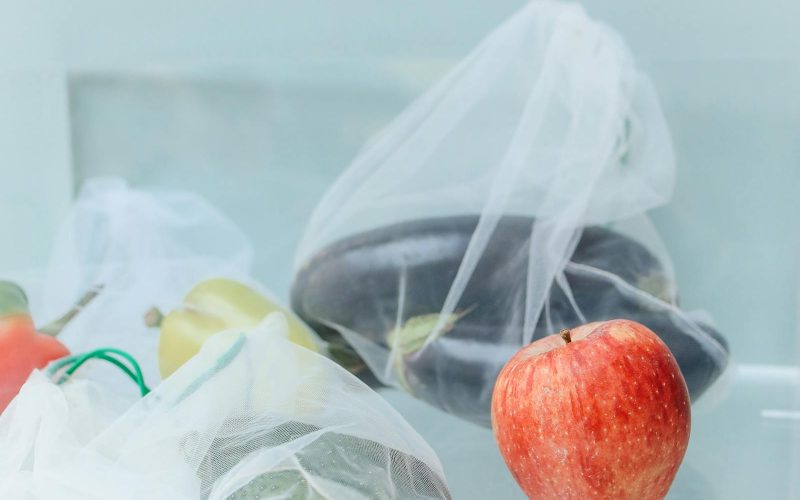
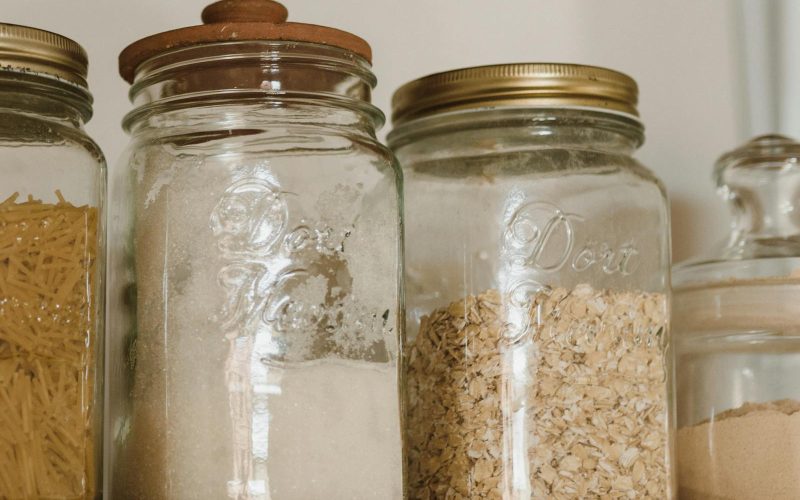
Most market stallholders are happy to put produce straight into your own bags or containers. A few aren’t, usually due to hygiene rules at meat or fish stalls. Don’t fight it. Take a few bags, a few jars, and accept that some items will come in paper.
A flat-bottomed tote with a hard base is better for markets than a soft one, because soft fruit gets squashed in a flexible bag and you’ll have raspberry jam in your tote by the time you get home.
The cafe trap
Many farmer’s markets have coffee, pastries, and brunch options around the edges. These are not part of the shop. They are part of the morning out. Decide before you leave the house whether you’re buying breakfast at the market or shopping at the market. If you try to do both spontaneously, you’ll spend twice what you meant to.
The compromise that works is a small coffee at the start (£3-£4) and lunch at home from what you bought. The market becomes both the outing and the shop, which is what it should be.
A reasonable budget
For a typical mid-sized UK farmer’s market, a sensible weekly budget for one or two people is £20-£35, supplementing a supermarket shop. For a family of four, £40-£60. These figures will buy you a decent share of produce, bread, eggs, and one small luxury without leaving you feeling fleeced.
The aim isn’t to spend nothing, or to come away with empty hands. It’s to spend deliberately, on the things that are worth it, and to enjoy the place without the small Sunday-night feeling of having spent £37 on something you can’t quite remember.
Frequently Asked Questions
Are farmer's markets always more expensive than supermarkets?
Not always. Eggs, seasonal produce and basic bread are often comparable or cheaper. Specialty items like artisan jams, oils and chutneys are usually more expensive.
When's the best time to go for bargains?
The last hour of the market. Stallholders reduce bread, soft produce and bakery items to avoid taking them home.
Can I bring my own containers?
Yes, most stalls welcome this. Bring a flat-bottomed tote, a few jars for olives or dips, and a sturdy bag for soft fruit. Some meat and fish stalls have hygiene rules and may not allow it.
How do I avoid impulse spending?
Make a list at home, walk the full market once before buying, and decide in advance whether you're also stopping for coffee or pastries. Bring cash in small notes to slow your spending.
Are farmer's market eggs really better?
Usually yes, especially if the stallholder can tell you which local farm they came from. Darker yolks, better shells, noticeable flavour difference in plain dishes.
Should I do my whole week's shop at a market?
For most people, no. Aim for 60-70% of the produce, eggs and bread part of the shop at the market, and supplement with the supermarket for staples.