The kitchen is where most household waste starts, and it is also where most of it can be prevented. We spent a full season testing the utensils, containers, and gadgets sold as sustainable, and the tools that actually cut our bin volume were rarely the ones trending on social feeds. This piece is a plain accounting of what earned counter space and what got quietly donated.
Why trendy waste tools fail the waste test
Trend-driven kitchen products have a short life cycle by design. A bamboo utensil set that splinters after 90 days becomes waste, no matter how compostable the packaging claimed to be. Avocado slicers, banana savers, and single-purpose gadgets fill a drawer and then a landfill. Food waste alone makes up roughly 24 percent of the municipal solid waste sent to US landfills, (according to EPA measurement data)epa.gov/facts-and-figures-about-materials-waste-and-recycling/national-overview-facts-and-figures-materials”>according to EPA measurement data, so the tools that matter are the ones that shrink that share, not the ones that decorate around it.
We noticed a pattern across two years of reader mail. Households that reduced waste most were not the ones with the fullest zero-waste shelves. They were the ones with five or six durable objects that got daily use.
There is a hidden cost to trend cycles too. Every replacement purchase means new shipping, new packaging, new manufacturing. A tool that lasts 8 years is almost always a better ecological choice than three cheaper tools that each last 30 months.
The unglamorous shortlist of waste reducing kitchen tools
A sharp 8-inch chef’s knife
A dull knife wastes food. When you cannot cut cleanly through a butternut squash, you throw away the wedge that goes bad while you avoid the effort. A sharp blade, honed every 6 to 8 weeks with a $15 ceramic rod, turns wilting produce into soup instead of scraps. One decent carbon or stainless knife, kept sharp, replaces three or four specialty gadgets and lasts 20 years with minimum care.
A kitchen scale
A $22 digital scale sounds like an accessory until you use it. Weighing dry goods lets you buy in bulk without over-portioning, and weighing leftovers helps you write realistic meal plans. Households that portion by weight throw away noticeably less food, because they stop guessing. WRAP’s research on UK household food waste, (published on wrap.org.uk)org.uk/taking-action/food-drink/actions/action-on-food-waste”>published on wrap.org.uk, shows that weighed portions correspond to smaller plate leftovers, which is the largest single source of avoidable waste in most homes.
Glass jars in three sizes
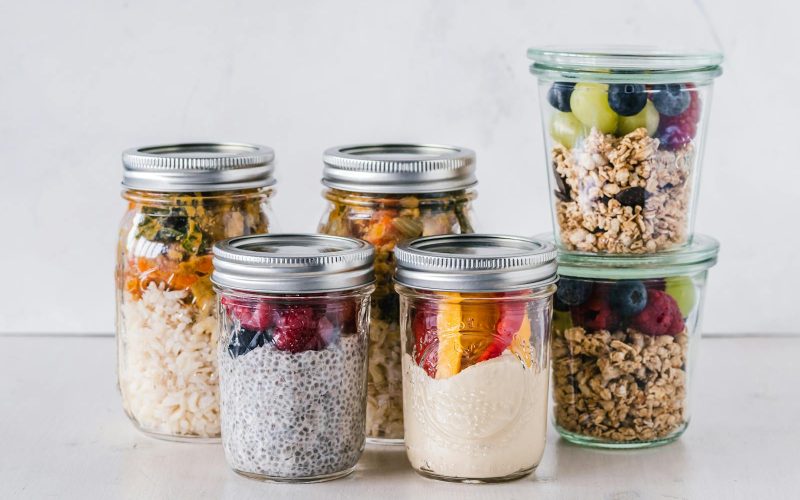
Recycled jam jars, quart mason jars, and half-gallon jars cover most of what plastic containers do, and they survive dishwasher cycles for years. We keep 8 ounce, 16 ounce, and 32 ounce sizes in a stack of 12. Because glass is transparent, you actually see the leftovers, which is the single biggest driver of eating them before they spoil. A pack of 12 costs around $18 and replaces roughly 40 single-use plastic containers over a year.
Storage that keeps food alive longer
The refrigerator is a waste-prevention appliance, not just a cold box, but only if the temperature is right. A fridge held at 37°F and a freezer at 0°F extend most produce by 3 to 5 days over the same food kept in a warmer setting. A $10 fridge thermometer is one of the highest-return purchases in this category.
For wrapping half-used produce, silicone stretch lids in a five-piece set (roughly 2.5, 3.5, 4.5, 5.5, and 6.5 inches across) cover the mouths of jars, tins, and cut fruit. They wash flat, dry in 30 seconds, and last several years if you keep them away from direct oven heat.
Beeswax wraps handle cheese, herbs, and sandwich duty. A good wrap lasts about 12 months of regular use, at which point the wax has thinned and the cloth slides off the bowl instead of clinging. Cotton produce bags, washed weekly, replace the plastic sleeves at the supermarket and weigh under 30 grams each, so they barely register on the checkout scale.
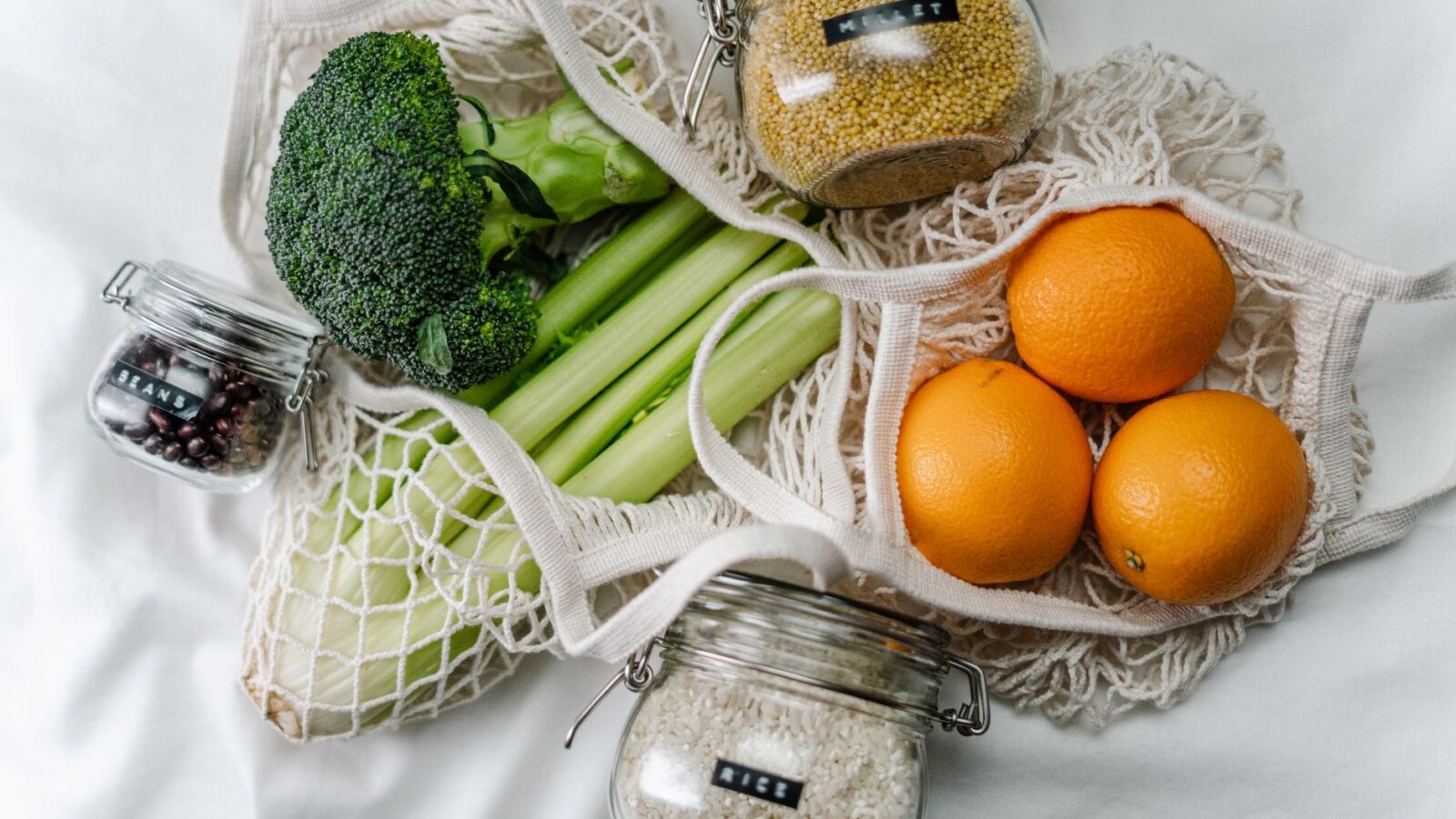
One more piece deserves mention. A $6 wide-mouth stainless funnel turns any dry pantry jar into a bulk-store refill container, which means you can buy oats, rice, and lentils by weight and pour them home without spilling.
When these tools fail, and what to do
Every reusable item eventually breaks or gets unhygienic. Recognising the failure early is what keeps the reusable from becoming worse than the disposable it replaced.
Beeswax wraps get sticky and sour-smelling when they have been used on raw meat juice or hot food. If a wrap smells off, it is done. Re-wax kits cost about $8 and can revive a wrap once, but only if the cloth itself is still sound. If the fabric is fraying, compost the wrap and move on.
Silicone lids warp when they meet heat above 220°C. A lid that no longer seals is not a lid, so keep them off the top rack of the dishwasher and never near an open flame. A warped lid can be cut into rubber bands and used to hold jar lids in place, which extends its life another year before it enters the mixed-material recycling stream. Most municipalities do not accept loose silicone alone, so check with your local authority first.
Glass jars break in the freezer if you fill them past the shoulder or use a jar with straight sides. Leave 2.5 cm of headspace and use wide-mouth jars. A broken jar becomes cullet, which is recyclable only if it is clean of food residue.
Wooden spoons and cutting boards develop cracks that trap bacteria. If a crack is deep enough to catch a fingernail, retire the piece to the compost or the fire. Oil the survivors monthly with food-grade mineral oil and they will last a decade.
Cotton produce bags stain and eventually thin. Wash them at 40°C inside a mesh laundry bag and replace them at year 3.
The ten-item kitchen shortlist
We narrowed our long list to the ten items that survived the two-year test. Buy these once and you have replaced roughly 40 single-use or short-lived products.
- One 8-inch chef’s knife, kept sharp with a $15 ceramic rod
- A $22 digital kitchen scale with 1 gram precision
- Twelve glass jars in three sizes (8, 16, and 32 ounce)
- A five-piece silicone stretch lid set covering 2.5 to 6.5 inches
- Three beeswax wraps in small, medium, and large
- A $10 fridge thermometer to hold 37°F and 0°F
- Four cotton produce bags for the weekly shop
- A 0.5 gallon countertop compost caddy with a charcoal filter
- A $6 stainless steel funnel for decanting into jars
- A hand-crank food mill for turning bruised fruit into sauce
Frequently asked questions
What is the single cheapest waste reducing kitchen tool to start with?
A $10 fridge thermometer. Most home fridges run 4 to 6°F warmer than the dial claims, and that difference is enough to shave 3 days off the life of leafy greens and berries. Fix the temperature first, then buy anything else.
Are silicone lids actually better than plastic wrap?
For most uses, yes. One five-piece set replaces roughly 250 metres of cling film over its useful life, and the lids wash on the top drawer of the dishwasher. They are less useful for irregular shapes, where a beeswax wrap performs better because it moulds to the object.
How do I compost if I live in a flat without a garden?
A 0.5 gallon caddy on the counter, emptied twice a week into a communal food-waste bin or a bokashi bucket under the sink, handles the output of a two-person household. Many local authorities in the UK and a growing number of US cities now collect food waste kerbside, so check the municipal directory before you buy a wormery.
Do bamboo utensils count as waste reducing?
Only if they last. A bamboo spatula that splits after four months is worse than the stainless one it replaced, because you now have both the broken bamboo and the need to buy a replacement. Buy one heavy stainless or hardwood tool and skip the bamboo starter set.
Is a kitchen scale really worth $22 for waste reduction?
Yes. Households that weigh ingredients waste noticeably less food, because portions match plans and leftovers get labelled by weight rather than guessed at. A scale usually pays for itself in reduced grocery spend within 6 to 10 weeks of daily use.