A friend recently came back from a wholesale shop with twelve kilos of plain flour, a four-litre bottle of olive oil, and forty-eight rolls of toilet paper. She lives alone. “I saved nineteen pounds,” she said. Six months later, the flour had weevils, the oil had gone slightly rancid at the bottom, and she still had thirty rolls of toilet paper and no cupboard left to put anything else.
Bulk buying is sold as obvious financial wisdom, and for some items it genuinely is. For small households, though, it is much more situational than the wholesale clubs would have you believe. Below is an honest breakdown.
The three tests for any bulk purchase
Before buying anything in bulk, run it through three questions. If it fails any of them, it is probably not a saving.
- Will I finish it before it goes off? the USDA FoodKeeper app Shelf life is the single most overlooked factor. A 5kg bag of flour sounds like a deal until you realise it lasts six months and you use 100g a week. the EPA’s reducing-wasted-food-home page
- Where will I store it? Pantry space has a real cost. If the bulk purchase forces other things to the back of the cupboard or onto the floor, you will end up wasting more than you save.
- Is the unit price actually lower? Surprisingly often, it is not. Check the per-kilo or per-litre price. Supermarkets sometimes price larger sizes higher per unit. Wholesale clubs are not immune to this either.
If all three answers are yes, bulk buying probably saves money. If any answer is no, it probably does not.
What genuinely pays off in bulk
These are the items where, for most small households, bulk is a real win.
Dried staples with long shelf lives
Rice, pasta, dried pulses, oats. These keep for a year or more in a sealed container, the per-kilo price drops sharply at larger sizes, and they get used regularly in normal cooking. Buy a 5kg bag of rice for the price of three 1kg bags. Decant into clean jars. You are set for half a year.
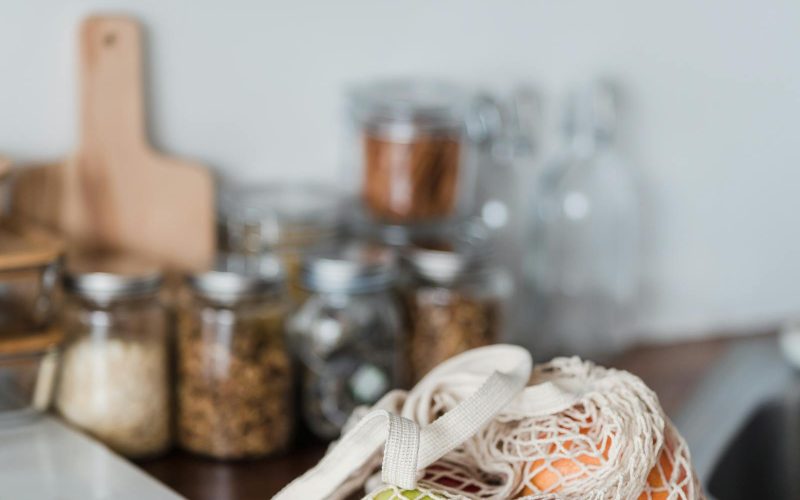
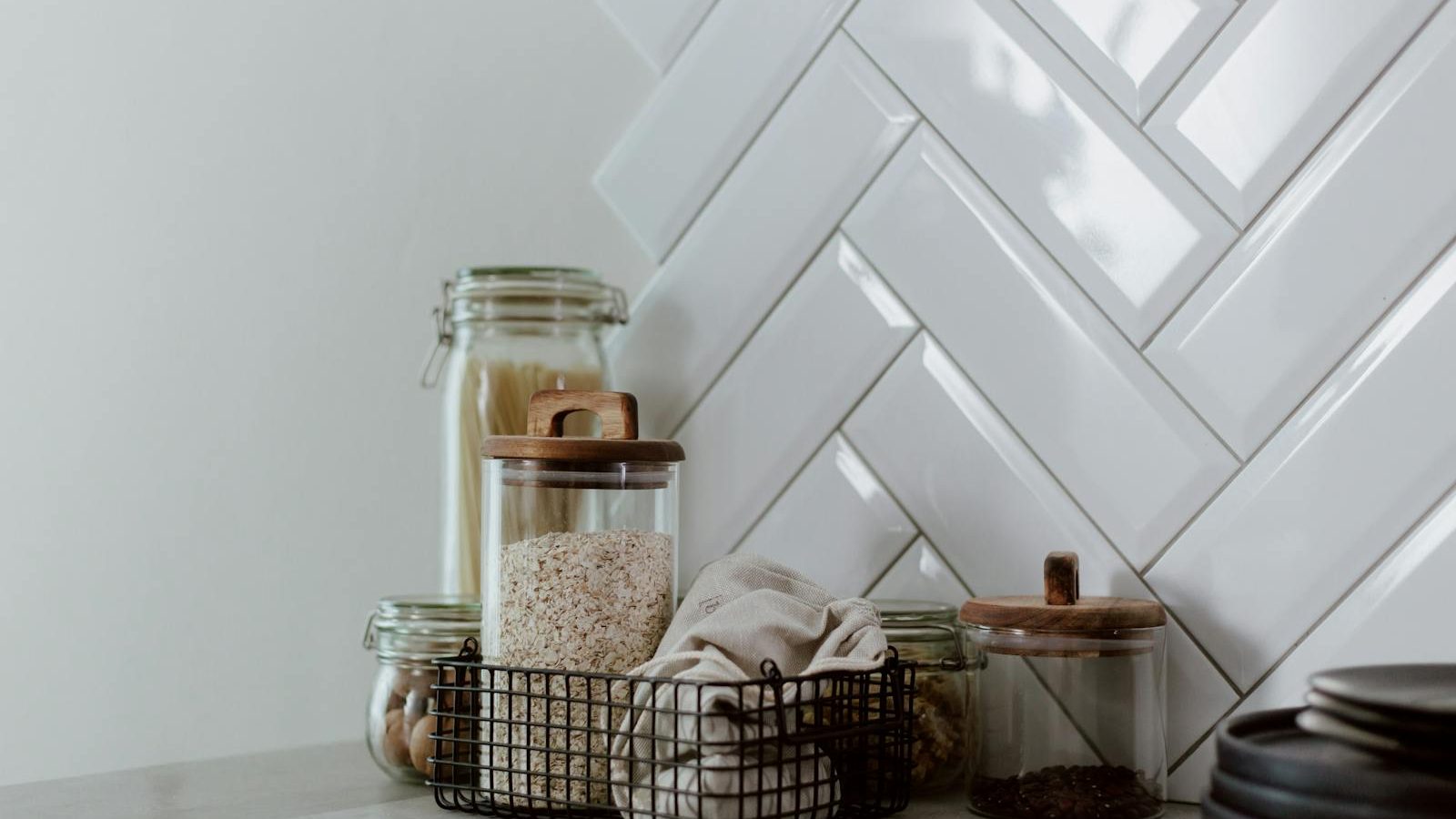
The key word is “sealed container.” Buying bulk and leaving it in the original paper bag is how you get pantry moths. A few large clip-top jars or sturdy plastic tubs pay themselves back quickly.
Loo roll and kitchen roll
Genuine win, even for one person, because the product literally does not go off. Buy the largest pack you have storage for. The per-roll price difference is significant.
Cleaning concentrates and refills
Concentrated washing-up liquid, laundry liquid, and surface spray refills are usually cheaper per use than the spray bottles. They also reduce plastic waste because you reuse the bottles. Most refill shops sell these in your own container at a noticeably lower per-litre price.
Spices, but only the ones you actually use
A 100g bag of cumin from a wholesale shop or refill shop costs roughly the same as a 25g supermarket jar. If you use cumin weekly, that is a real saving. If you bought it once for a recipe and have not touched it since, the bulk version is a waste.
Pet food, nappies, and similar
Anything with steady, predictable consumption and a long shelf life. The product gets used at the same rate regardless of how much you bought, and the per-unit price drops with size.
What rarely pays off in bulk for a small household
This is the more useful list, because it stops the well-intentioned wholesale-shop disasters.
Fresh produce, even at “bargain” prices
A 2kg bag of carrots for the price of 1kg looks like a win until half of them go soft. Unless you have a clear plan for the surplus (a soup, a freezer batch, sharing with a neighbour), this is a waste in a small kitchen.
Bread and baked goods
Two loaves for the price of one and a half is only a saving if you eat or freeze the second loaf before it stales. For one person, that often means freezing it the day you buy it, sliced. If you will not, do not buy it.
Cooking oils in giant bottles
Oils oxidise. A 5L bottle of olive oil opened today will taste flat by month seven, even if it does not technically go off. For most single-person or two-person households, a 1L bottle finished in three to four months is fresher and in the end better value.
Flour in volumes you will not finish
Flour attracts weevils and moths once opened, even in sealed containers, especially after about six months. Buy what you will use within a season. A 1.5kg bag is plenty for a casual baker.
Dairy and refrigerated items
Yoghurt, milk, cheese in catering quantities will not work for one or two people. Yoghurt has a two-week life. Milk has a week. The “saving” disappears the moment you bin half of it.
Specialty ingredients you will use once
That 500g jar of sumac, the half-kilo of black sesame seeds, the 1L bottle of soy sauce when you cook Asian food twice a year. These are the saddest pantry items in any single-person kitchen. Buy the smallest size of anything you cannot honestly commit to using regularly.
The refill shop question
Refill shops, where you bring your own containers and buy by weight, are a different animal from wholesale clubs. For small households, they are often more useful, because you can buy small amounts of bulk staples without committing to a whole sack.
You can, for example, buy 200g of arborio rice for a specific risotto night, or 150g of pumpkin seeds for a week of granola. The packaging waste drops to zero, the per-kilo prices are often competitive with supermarket bulk sizes, and there is no commitment to a giant bag you may not finish.
If you have a refill shop within reasonable distance, this is often the better answer than a wholesale club for small households. The maths is built for your scale.
A small note on storage costs
Pantry space has a real cost, even if it is not a financial one. A pantry crammed full of half-used bulk items is a pantry where you cannot find what you need, which leads to duplicate buying. A more modest pantry of well-organised, frequently-used items saves both money and decision energy.
Splitting a bulk buy with a friend
One workaround for the small-household problem is to split a wholesale-sized purchase with a neighbour or friend. Two people splitting a 5kg bag of rice, a giant bottle of soy sauce, or a multi-pack of tinned tomatoes turns an awkward purchase into a sensible one for each party.
This works best if you decide before the shop, agree on a fair split, and have the containers ready to portion out. A reader, Sam in Edinburgh, runs a four-flat rotating bulk-buy with neighbours. “We each pick one wholesale category and split it five ways,” he said. “Saves us each about thirty pounds a month and we never have weevils.”
The summary, in one breath
Bulk-buy dry, long-life, regularly-used staples. Do not bulk-buy fresh, perishable, or rarely-used items. Use refill shops where you have one. Split larger bulk items with a friend when you can. Always check the per-unit price, because “bulk” is not automatically cheaper.
The flour, the oil, and the forty-eight rolls were not bad in themselves. They were bad fits for a one-person flat. Bulk buying is not a universal good. It is a tool, used well in some places and badly in others. The kitchen you actually have, not the kitchen you imagine, decides.
Frequently Asked Questions
Is bulk buying really cheaper per unit?
Sometimes, but not always. Supermarkets occasionally price larger sizes higher per unit. Always check the per-kilo or per-litre price on the shelf label rather than assuming the bigger pack is the better deal.
How long does flour really last in a bulk bag?
Plain white flour, sealed and in a cool dark spot, lasts about a year. Wholemeal flour lasts about six months because of its oil content. Both can attract weevils after opening, so decant into airtight containers and use within those windows.
Is olive oil worth buying in a large bottle?
For most small households, no. A litre is the sweet spot for one or two people. Larger bottles tend to oxidise before they are finished, losing flavour and quality.
Are wholesale club memberships worth it for one person?
Only if you have steady, predictable consumption of items they sell at genuinely lower per-unit prices and enough storage to use them. For most single-person flats, refill shops or splitting bulk with a neighbour works out better.
What is the most common bulk-buying mistake?
Buying fresh produce in bulk without a plan. A bargain bag of vegetables only saves money if you actually use all of them. Otherwise, the "saving" disappears the moment half ends up in the bin.
Can I split a bulk purchase with a friend?
Yes, and this works really well for small households. Decide before the shop, agree on a fair split, and bring containers to portion out. Many people quietly run rotating bulk-buy arrangements with neighbours.