Free stuff feels good. Even when you don’t want it, even when you have no use for it, the small pleasure of being given something is real. This is not a flaw. It’s how human beings are wired. We respond to gifts. We respond to small acts of generosity. Marketing departments know this very well, which is why so much of modern retail involves giving you things you didn’t ask for.
The trouble is that free stuff isn’t really free. It costs your storage space, your decision-making energy, and, eventually, when you throw it out, your share of the landfill. A drawer full of unused samples is a drawer that could be holding something else, or just nothing, which is also a fine thing for a drawer to hold.
The free stuff that adds up
If you write down every “free” thing that came into your home in the last month, you’ll be surprised by the list. ReFED’s consumer-education action area A typical month might include:
- A swag bag from a conference or event.
- Two or three small bottles of skincare samples from a beauty counter.
- Promotional pens from a bank, an estate agent, or a sales call.
- A free tote bag handed out at a shopping centre.
- Magazines, brochures and leaflets pressed on you on the high street.
- The third coffee cup from the takeaway where you forgot to bring your own.
- Wrapping, ribbons, fillers and confetti from online orders.
- Christmas crackers with plastic trinkets that go straight in the bin.
None of these things, individually, is a problem. The sample sachet weighs three grams. The pen costs the bank 8p. The free tote folds up small. But collected over a year and a household, the volume is meaningful, and the energy required to make and ship all that stuff existed regardless of whether you wanted it.
The polite refusal
The single biggest barrier to saying no to free things is that it feels rude. It is not, in fact, rude, but it can be uncomfortable the first few times. A few phrases that work:
- “Thanks, I don’t need one, but appreciate the offer.”
- “I’ve got one already, thanks.”
- “No bag needed, I’ve brought my own.”
- “I’ll skip the sample, thanks, I don’t use these.”
The person handing you the thing is, in almost every case, doing a job they don’t particularly enjoy. They will not be upset that you declined. They might be mildly relieved that one less item moves out of their stack.
The harder moments
Some free-stuff moments are harder to refuse than others. Three in particular.
Gifts at events
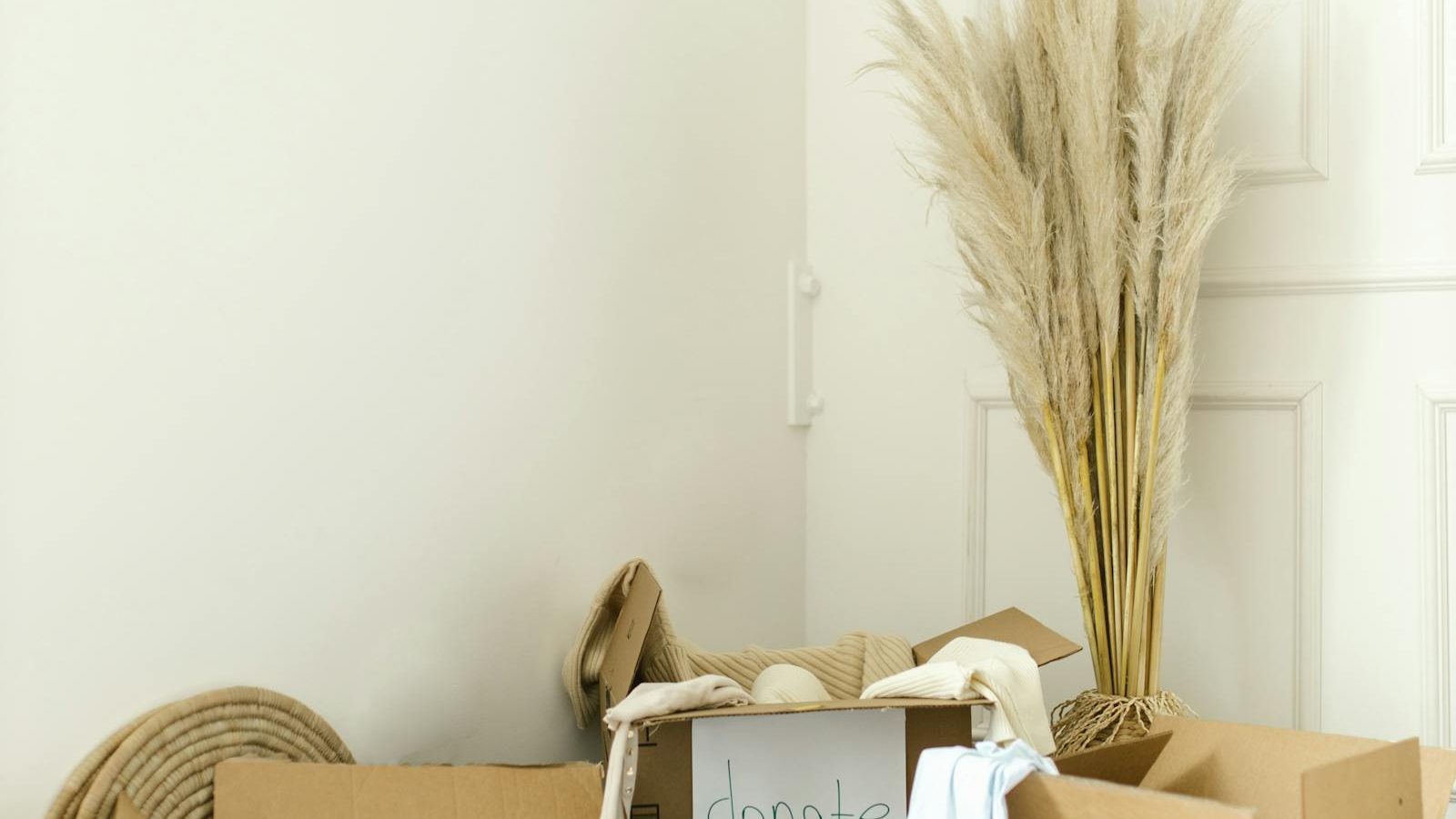
If you go to a wedding, conference or work event and they give you a bag of stuff, refusing on the spot can feel ungrateful. The compromise that works: accept the bag, keep what you’ll use, donate the rest to a charity shop within a week. The host doesn’t feel slighted; your house doesn’t fill with branded notebooks.
Gifts from elderly relatives
A grandmother who hands you a holiday-themed mug she found at a charity shop is not testing your eco values. Take the mug. Use it for a year. Pass it on later. The relationship is the point, not the object.
Gifts from children
The macaroni necklace, the painting with too much glitter, the carefully wrapped pebble. Take it. Cherish it. Display it for an appropriate period. Then, in your own quiet time, decide whether it stays. Children are remarkably forgiving about this if you handle it with love.
The “I’ll find a use for it” trap
The most common reason free stuff accumulates is the thought, “I’ll find a use for it.” This is rarely true. The Tupperware-shaped freebie from a brand event sits in the drawer because you don’t actually need another container. The free umbrella with the company logo lives in the boot because you already have one.
A good test: if you wouldn’t pay £2 for this object in a shop, you don’t actually want it. You’re responding to the price tag, not the thing. The free version creates the same storage burden as the £2 version. It just feels different in the moment.
The compound effect
A reader called Marcus tried this experiment for six months, politely refusing samples, freebies, swag, plastic wrapping and unnecessary extras. He kept a small list. By month six, his estimate was that he’d refused around 140 items he would otherwise have brought home, kept briefly, and binned.
Marcus’s flat felt no different. His life was no worse. But 140 items of small plastic, paper and packaging didn’t enter the system through him. Multiply that across a year, and across a few people who make the same shift, and the volume becomes meaningful.
The subtler version: free digital stuff
The same logic applies to digital freebies, though the environmental cost is smaller and the storage cost is mostly mental. Newsletter signups for the free PDF you didn’t need, app installations for a 10% discount, email subscriptions for “exclusive offers”, these all accumulate. They take up attention, not landfill, but the principle is the same. If the only reason you’re saying yes is that it’s free, you probably want to say no.
How to handle gifts you genuinely don’t want
Sometimes, despite your best efforts, you receive a gift you don’t want or need. The kindest path is usually:
- Thank the giver warmly. The gift was an act of love, not an act of clutter.
- Live with it briefly. Some gifts grow on you.
- If, after a fair period, you still don’t want it, pass it on to someone who will use it, or donate it to a charity shop where someone can buy it cheaply.
- Don’t feel guilty. Hoarding a gift you don’t use is not a tribute to the giver. Using it, or passing it to someone who will, is.
The quiet shift
The real benefit of saying no to free stuff isn’t the small environmental win, though that’s real. It’s the slow rebuilding of a sense that your home is yours, that things come in because you want them, not because someone handed them to you with a smile.
This is, in some ways, the smallest possible eco habit. It costs nothing. It requires no shopping, no equipment, no app. It just requires the slightly awkward moment of saying, “No thanks.” After three or four times, the awkwardness fades. After a few months, you’ll notice the drawer is quieter, and the bin is lighter, and you didn’t have to do anything to make it happen.
Frequently Asked Questions
Isn't it rude to refuse free samples or gifts?
No, especially if you do it warmly. The person handing them out is usually doing a job and won't take it personally. "Thanks, but I don't need one" works almost everywhere.
What should I do with free stuff I accept and don't want?
Pass it on quickly. Donate to charity shops, give to friends who'd use it, or take swag bag contents to a foodbank or community group. Don't let it sit in a drawer for years.
How do I refuse gifts from family without offending them?
Generally you don't. Accept the gift, use it appropriately, and pass it on later if you don't want it. The relationship matters more than the object.
Does refusing free stuff actually make a difference?
Per item, no. Over a year of consistent refusal, the accumulated count is significant — often well over 100 items per household. It also subtly changes how you think about consumption.
What about free things I might genuinely use, like pens or notebooks?
If you genuinely use them and have a place for them, take one and decline future ones. The trap is taking three when you needed none, "in case."
How do I handle work environments where free stuff is common?
Politely decline the items you don't want at the moment, and accept the ones you genuinely need. Most colleagues won't notice or judge either way.