The bathroom is one of the most plastic-heavy rooms in a typical home. Shampoo bottle, conditioner bottle, body wash, hand soap, deodorant, toothpaste, face wash, moisturiser, shaving foam, mouthwash, sunscreen, the ridiculous number of half-used hotel sample bottles in the cupboard. By weight, the average UK bathroom contains around 40 to 60 plastic items at any given time.
Some of this can be refilled. Some still can’t, honestly. Working out which is which saves a lot of false starts.
Where to actually find refills
Refillable personal care products live in four main places, and each works differently.
Dedicated refill shops
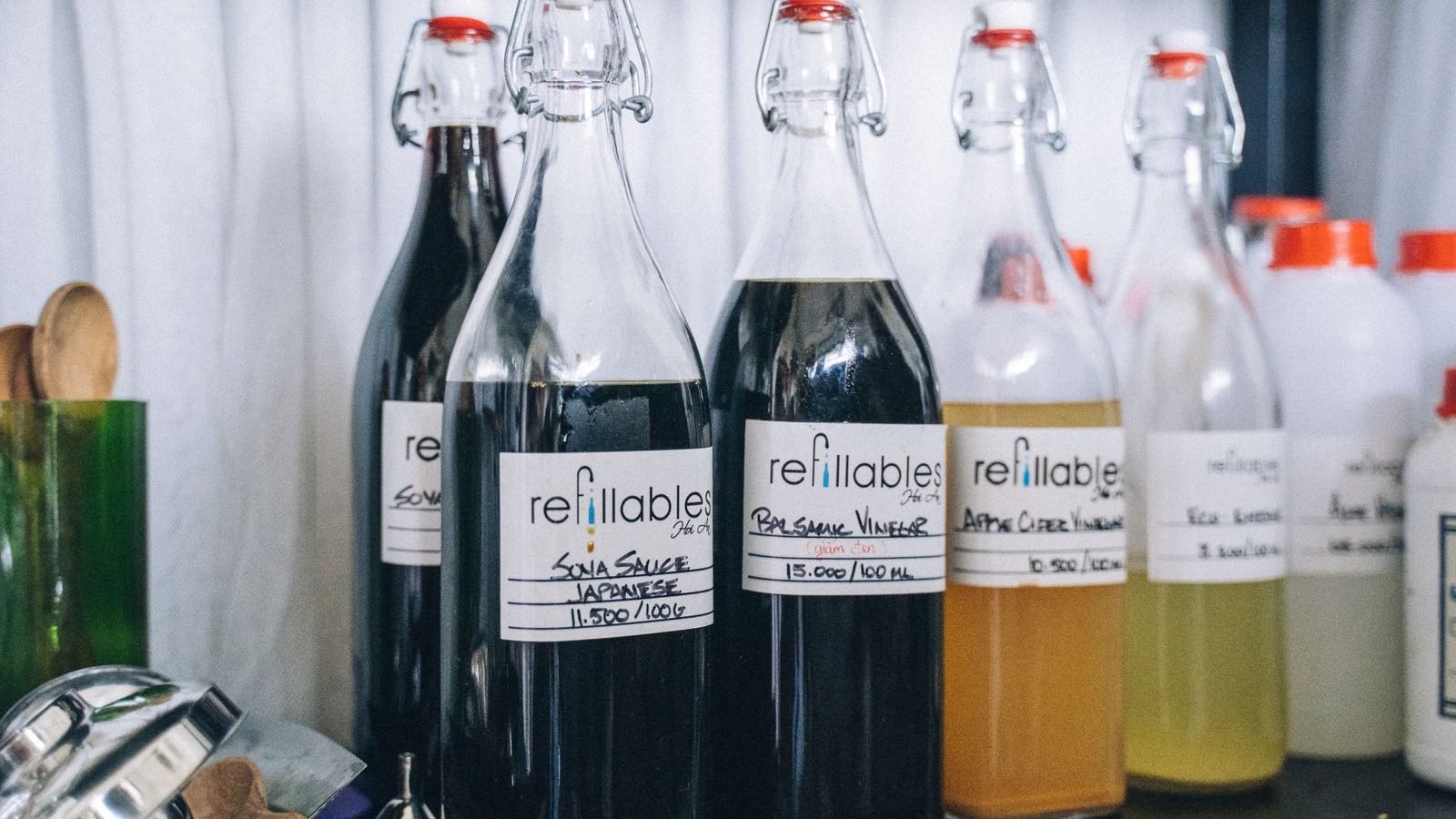
The most reliable source. ReFED’s consumer-education action area Independent refill shops (Re, Source, Bring Your Own, Smol, and many regional names) stock shampoo, conditioner, body wash, hand soap, sometimes face wash and moisturiser, sometimes much more. You bring your own bottle, fill it from a tap or pump, pay by weight or volume.
The catch: not every town has one. Use the City to Sea Refill app or do a quick local search. If you have one within reasonable distance, this is the easiest route.
Online refill subscriptions
Brands like Beauty Kitchen, Wild, Smol and Faith In Nature offer mail-order refill pouches or returnable containers. You buy the dispenser once and get refills posted. The packaging is reduced (pouches use less plastic than bottles) but not eliminated.
This works well for people without a local refill shop. The cost is usually comparable to mid-range supermarket brands.
Supermarket refill stations
Several major supermarkets, Waitrose, Asda, Sainsbury’s, have trialled in-store refill stations in selected branches. Coverage is patchy. If your local store has one, brilliant. If not, this isn’t a reliable option yet.
Solid format alternatives
Not strictly refillable, but worth mentioning. Shampoo bars, conditioner bars, solid deodorant and toothpaste tablets eliminate the bottle entirely. They’re typically sold in cardboard or unpackaged. The trade-off is they take getting used to, especially shampoo bars, which feel different from liquid shampoo for the first few washes.
What’s easy to refill
Shampoo and conditioner
The most refilled items, by a long way. Almost every refill shop stocks at least one brand of each. Solid bars are also widely available. If you have a refill option within reach, this is the easiest swap to make.
Body wash and hand soap
Equally easy. Many people who refill nothing else still refill these.
Liquid hand soap
Refillable from any refill shop. Also widely available in solid bar format, which avoids the bottle entirely.
What’s harder but possible
Deodorant
Refillable deodorants exist but the format matters. Solid stick refills (where the housing is plastic and the stick itself is the refill) work for many people. Cream deodorants in glass jars work for others. The hard part is finding one that suits your skin and your sweat, this is genuinely personal, and trial and error is required.
Toothpaste
Toothpaste tablets (you chew one, then brush) are the main no-plastic option. They take a couple of weeks to get used to, and the result is comparable to regular toothpaste for most people. For sensitive teeth or specific dental needs, check the active ingredients.
Face wash and moisturiser
Some refill shops stock these, but variety is thinner. Online brands have expanded coverage. Bar soaps for face washing are old-school but effective for many skin types.
Shaving
A safety razor (the old-style metal kind) with replaceable blades eliminates the plastic cartridge razor entirely. Solid shaving soap or refillable foam closes the loop.
What’s genuinely hard right now
Sunscreen
This is the most stubborn category. The formulation requires careful manufacturing, the active ingredients are sensitive, and “refillable sunscreen” mostly doesn’t exist in a meaningful way. Some brands sell in metal tins or larger bottles, which reduces packaging, but it’s not refillable.
Honest advice: pick a sunscreen in the largest available format, in a recyclable container, and don’t skip protection because of packaging. The skin cancer risk dwarfs the plastic cost.
Mascara, foundation, complex makeup
A few brands offer refillable lipsticks and powder compacts (where you buy a “case” once and swap inserts), but coverage is limited and prices tend to be high.
Medical and prescription products
Inhalers, contraceptive products, prescription creams, these are tightly regulated and the packaging is essential. Don’t try to refill anything medical.
The cost picture
Refillable personal care is sometimes cheaper than the supermarket equivalent, sometimes more expensive, and roughly the same in the middle ground. As a rough rule:
- Refill shop products tend to undercut premium supermarket brands and run similar to mid-range.
- Solid bars (shampoo, conditioner, soap) usually work out cheaper per use, because they last longer than people expect.
- Online subscription refills are mid-priced, not the cheapest, but generally not eye-watering.
If price is the deciding factor, solid bars are the strongest value.
How to find your local options
A few useful tools:
- The Refill app from City to Sea, maps shops, cafes and refill stations.
- The local Facebook or community group, refill shops often advertise in these.
- The “zero waste” search on Google Maps, most refill shops list themselves.
- Health food shops, many stock at least basic refills for shampoo and body wash.
The honest order of operations
If you’re starting from a typical bathroom and want to reduce plastic without a complete reinvention, the order most people end up with is:
- Hand soap, switch first, easiest, you’ll barely notice.
- Shower gel or body wash, refill or solid bar, both work.
- Shampoo and conditioner, slightly more trial and error to find what suits.
- Deodorant, takes a few weeks to find the right one.
- Toothpaste, adjust to tablets if you want, or accept the tube for now.
- The rest, as opportunities arise.
Most households can cut their bathroom plastic by 60-70% in six months without making any choice they’ll regret. The remaining 30% is the genuinely hard stuff, sunscreen, prescriptions, specific makeup, and there’s no shame in not solving everything.
The goal isn’t a perfect bathroom. It’s a bathroom where the bin isn’t full of bottles every Sunday.
Frequently Asked Questions
Where can I find a refill shop near me?
The Refill app from City to Sea maps refill points across the UK. Local health food shops and zero-waste shops are also good places to check.
Are refillable personal care products as good as supermarket brands?
For shampoo, conditioner and soap, yes for most people. Specialty products like specific dandruff treatments or sensitive skin formulations may be harder to match.
What if I don't have a refill shop nearby?
Online refill subscriptions (Beauty Kitchen, Wild, Smol, Faith In Nature) post refills to you. Solid bars are also widely available and eliminate packaging entirely.
Are shampoo bars actually any good?
They work well for most hair types, but feel different for the first few washes. Allow two or three weeks for your scalp to adjust before deciding.
Is refillable sunscreen a thing?
Not really, at least not widely. Choose the largest available format in a recyclable container, and don't skip protection. The health risks of sun damage outweigh the packaging concern.
Can I use any container to refill at a refill shop?
Most shops accept any clean, dry, leak-proof container. Old shampoo bottles work best because they have built-in pumps or flip tops.