A man on our road put two folded Amazon boxes on top of his bin one Tuesday and a neighbour stopped, knocked, and asked if she could have them. She was moving house in three weeks. He gave her four more from inside the porch. They have been friends ever since.
Cardboard is the most quietly useful free material that arrives at your door. Most of it gets recycled before it has earned its keep. A few categories deserve to stay, briefly, on their way to the recycling.
The honest hierarchy
Not all cardboard is equal. Roughly speaking, in descending order of usefulness:
- Double-walled corrugated boxes (from large parcels), the workhorses
- Single-walled boxes (from most online orders), good for storage and moving
- Shoe boxes, small organisers, drawer dividers, gift wrap
- Cereal cartons and thin packaging, limited reuse, mostly straight to recycling
- Pizza boxes, recycle if greasy, compost if compostable
Anything below shoe-box weight tends not to be worth keeping. It collapses, takes up space, and creates the impression you are hoarding.
What cardboard is genuinely good at
Storage in the loft, shed, or wardrobe
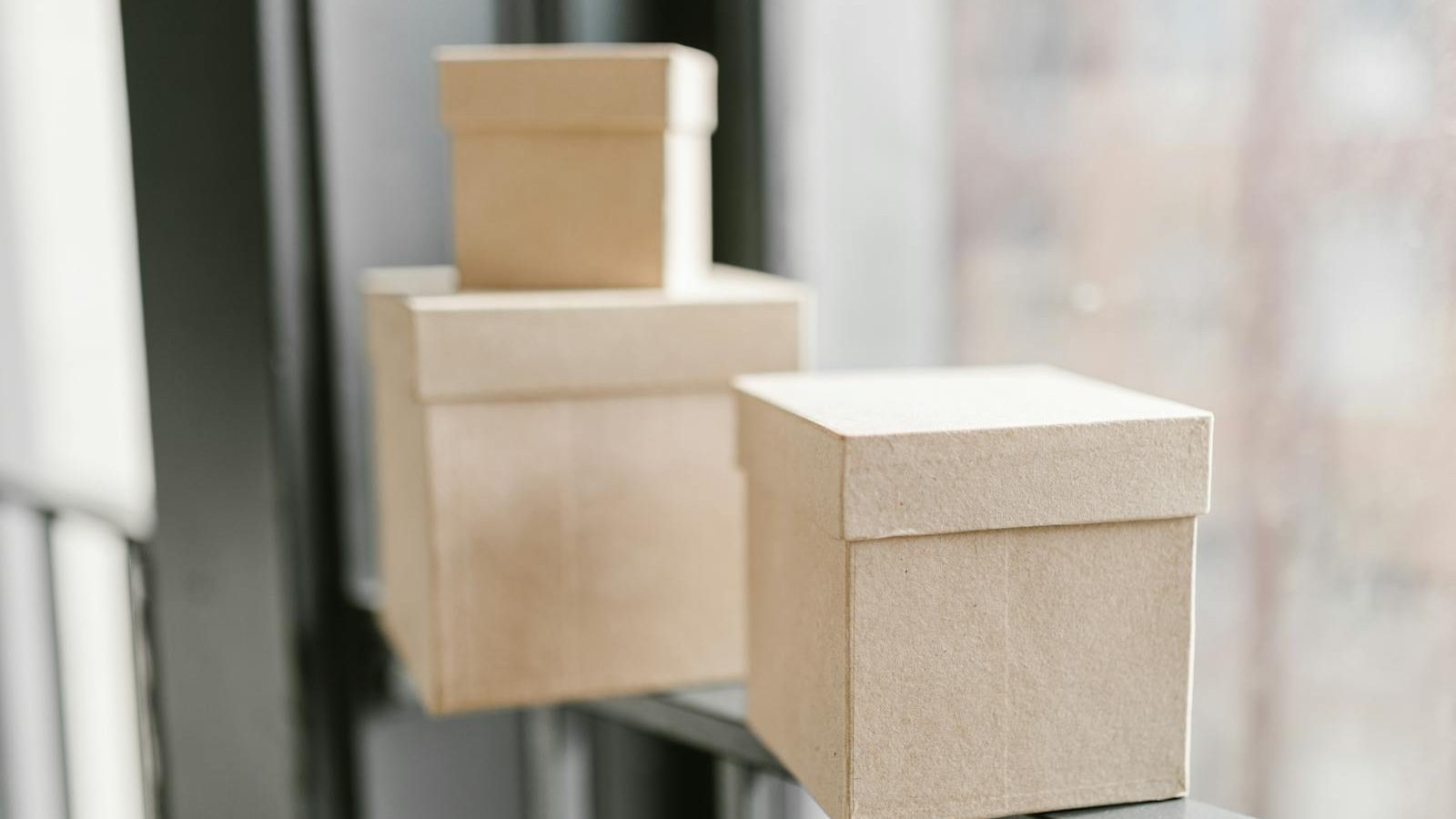
Bankers boxes cost six pounds each. A reinforced Amazon box does exactly the same job for nothing. Label it on two sides in marker, stack neatly, and you have free archive storage. Twenty boxes in a loft holds an astonishing amount of seasonal clothing, books, and Christmas decorations.
The caveat: cardboard hates damp. A garage with a leaky roof or a shed with a cracked window will destroy boxes in one winter. In dry storage they last a decade. Repair Café International
Posting things back, on, or away
Every household sends a few parcels a year. Christmas gifts to family, returns to retailers, a charity-shop delivery, a friend’s birthday present. A small stash of three or four flattened boxes covers a year of posting without buying a single new one.
Slice the old labels off with a craft knife and stick a fresh label over the cuts. Most couriers do not care what the box originally contained.
Moving house
If you have ever moved, you know that boxes are the single most stressful thing to source. Even buying them in bulk costs forty to eighty pounds. People who collect them slowly over three months before a move save the whole amount and have boxes that are pre-tested for strength.
Tell anyone you know who works in a shop that you are moving. They will save boxes for you. Bookshops, wine shops, and supermarkets routinely throw out excellent boxes by the dozen.
Garden mulch
Cardboard breaks down beautifully on a garden bed. Lay flattened sheets directly on weedy ground, wet them, cover with compost or wood chip, and within six months the soil underneath is weed-free and full of worms. This works far better than weed-suppressant fabric and costs nothing.
Remove any plastic tape, plastic windows, or shiny printed labels first. Brown corrugated cardboard is best. Anything glossy or printed in heavy colour should be recycled instead.
Lining drawers and shelves
A flat sheet cut to size makes a sturdy drawer liner that catches crumbs and absorbs small spills. Change it once a year. Free, and easier than buying patterned sticky-back paper.
Children, cats, and creative reuse
The other major category is play. A large cardboard box, given to a four-year-old, is approximately as entertaining as anything you can buy in a toy shop. It becomes a rocket, a den, a post office, a tunnel, a dressing-up cupboard. The lifespan is two to six weeks of intensive play before it gets crushed and recycled.
Cats use boxes for similar reasons. A box with a single hole cut in one side will be occupied within minutes.
The boxes worth refusing
Some boxes are not worth keeping at all. Shoe boxes printed in shiny black, presentation gift boxes covered in foil, anything with a magnetic clasp or ribbon. They look nice but they cannot be recycled easily and they are not as useful as plain corrugated. If you are given one and do not need it, pass it on rather than store it.
The same is true of thin pizza boxes if they are heavily greased. Local councils vary, but most ask you to tear off any clean part and bin or compost the rest.
When to let go
The boundary between useful and clutter is whether the box has a specific upcoming use. A box behind the wardrobe with no plan is on its way to becoming the start of a hoard. A box behind the wardrobe earmarked for the November move, or the December charity-shop run, or next month’s parcel back to a retailer, is earning its keep.
If you cannot picture using a box within the next three months, recycle it. New ones will arrive. They always do.
Small jobs cardboard does invisibly
Beyond the headline uses, cardboard quietly solves a handful of micro-problems that few people would ever buy a product for. A piece of cardboard laid on a kitchen counter while painting a small repair contains the drips without ruining the worktop. A piece slipped under a heavy plant pot stops scratches on a window sill. A flat sheet on the floor under a car engine catches the drip from an oil leak between garage visits.
None of these are dramatic. Each replaces something that would otherwise have been bought or compromised. The cumulative effect across a year is real.
What this adds up to
The household that keeps four to six boxes at any given time, rotates them out as they are used, and refuses the urge to keep every single one, never runs out of cardboard for the times when it is needed. They never need to buy a single new box for moving, posting, or storage. Over a decade, that quietly saves around six hundred pounds and a small mountain of new cardboard from being produced.
Most of it is just paying attention. A box at the right moment is the difference between a smooth Tuesday and an inconvenient one.
Frequently Asked Questions
How long can I keep a cardboard box before it weakens?
In dry indoor storage, five to ten years easily. Damp areas like garages or sheds shorten this dramatically; a winter or two can finish them.
Can I put cardboard in my compost?
Brown corrugated cardboard composts well if shredded or torn. Remove tape and avoid glossy printed material. It acts as the "browns" alongside green kitchen waste.
Is shiny printed cardboard safe for the garden?
Best avoided. The inks and coatings can take longer to break down and may contain compounds you do not want in soil where you grow food.
How do I store flattened boxes neatly?
Stand them on edge behind a wardrobe, in a slim gap beside a sofa, or under a bed. Flat horizontal stacks tend to topple. Vertical works.
What about the tape on parcel boxes?
Pull tape off before recycling. Most councils accept boxes with a small amount of residual tape, but big strips can jam recycling machinery.
Are wine boxes good for moving books?
They are excellent. The cardboard is thicker than standard, the size is right for books without becoming impossible to lift, and the dividers can be reused as drawer organisers.