The cleaning aisle in a supermarket is one of the more cynical pieces of marketing in modern shopping. Twelve different sprays for twelve different surfaces, each in coloured plastic, each at a price that would buy you a coffee. Most of them contain variations of the same three ingredients. The marketing is the product.
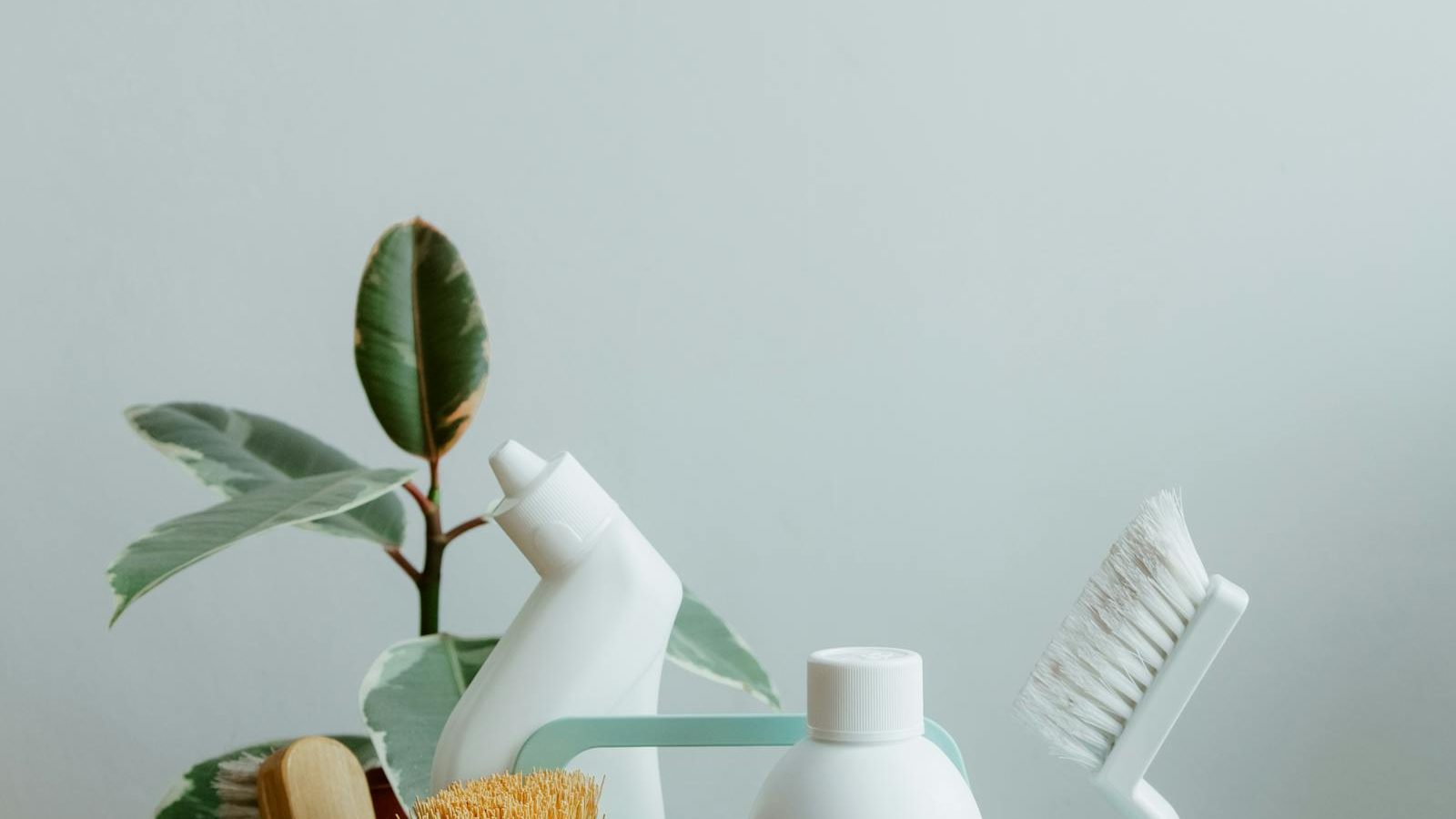
The cleaning caddy worth having is the one you put together in a quiet afternoon. It costs almost nothing because you already own most of it. It cleans almost everything. And it lives in a single basket under the sink rather than colonising half a cupboard.
What you already have
Walk through your kitchen, your bathroom, and the cupboard under the sink. The chances are good that you already own the following:
- A box of bicarbonate of soda (sometimes called baking soda)
- A bottle of white vinegar
- Washing-up liquid
- An old toothbrush
- A few cotton rags (see our T-shirt reuse guide)
- A spray bottle from a finished cleaning product
- A jug or large measuring cup
- Possibly a bar of plain soap
If you are missing one or two of these, replacement is cheap. the EPA’s reducing and reusing basics Repair Café International Bicarbonate is around a pound for a large box. White vinegar is roughly the same. Together they will outlast six different branded sprays.
The caddy itself
The container is the easiest part. Anything that holds bottles and rags works. Good candidates:
- A small plastic crate (the kind shipping fruit arrives in)
- A bucket
- A wooden box that came with a wine or hamper gift
- A sturdy cardboard box (will not survive a wet spill, but lasts months otherwise)
- A purpose-built caddy from a charity shop, if you happen to spot one for two pounds
The principle is that the caddy moves with you around the house. A kit you carry from kitchen to bathroom to bedroom gets used. A kit spread across three rooms does not.
The four sprays that do everything
1. All-purpose surface spray
Equal parts white vinegar and water in a spray bottle. That is it. Optionally a teaspoon of washing-up liquid and a few drops of any essential oil if you dislike the vinegar smell. Cleans worktops, bathroom surfaces, tile, glass, and most plastic.
Caveats: not for natural stone (marble, granite, limestone), where vinegar can dull the surface over time. For those, mix one teaspoon of washing-up liquid with a litre of warm water in a spray bottle and use plain soapy water instead.
2. Glass and mirror spray
One part white vinegar to one part water, in a spray bottle. Spray, wipe with a dry cotton cloth, then buff with a second clean cloth. Streak-free. Many branded glass cleaners are essentially the same recipe with blue dye and perfume added.
3. Soft scrub for sinks, bath, and tile grout
Half a cup of bicarbonate of soda in a small bowl with a splash of washing-up liquid until it is the consistency of paste. Scoop with the toothbrush or a sponge, scrub, rinse. Works on baked-on cooker tops, soap scum, sink stains, and stubborn grout discolouration.
Do not mix bicarbonate with vinegar in the same step. They neutralise each other (which is why the fizzing volcano works). Use one at a time.
4. Floor cleaner
A bucket of warm water, a glug of white vinegar (about a quarter cup per five litres), a small squirt of washing-up liquid. Mop, rinse the mop occasionally, change the water when it goes grey. Works on tile, vinyl, lino, and sealed wood. For unsealed wood, use plain damp cloth without vinegar.
The accessories worth keeping
The old toothbrush
For grout, tap bases, hinges, sink overflows, behind taps, and the rim of the loo. Replace it every six months or so. Mark it in a way that prevents confusion with your dental toothbrush, ideally with a different colour.
The rags
Three to six cotton rags in the caddy. Used ones go in a small bag and get washed weekly. Cotton holds the cleaning solution properly, unlike microfibre, which sheds plastic into the wash water.
The scraper
The plastic spatula from a peanut butter jar lid, or the cap of a marmalade jar with a sharp edge, scrapes stuck-on bits off cooker tops and inside ovens. A purpose-bought one costs three pounds. A repurposed one costs nothing.
A bar of plain soap
For hand-washing in the kitchen and for spot-treating stains. A bar of olive oil soap or castile soap will outlast several bottles of branded hand wash and works for almost any cleaning that needs a soft cleaner.
The specific stains that need extra help
Most cleaning is the four sprays above. A few stains need something else:
- Burnt-on pots: half-fill the pan with water, add a tablespoon of bicarbonate, simmer for ten minutes, then scrub.
- Limescale in kettle: equal parts vinegar and water, fill to the limescale line, leave overnight, boil and rinse.
- Stained mugs: bicarbonate paste on a damp cloth, rub in circles.
- Mildew in grout: bicarbonate paste applied with the toothbrush, left for fifteen minutes, scrubbed, rinsed.
- Greasy oven door: bicarbonate paste applied, left for two hours, wiped off with a damp cloth.
What this is not
The DIY cleaning caddy is not a cure for everything. It will not disinfect at hospital-grade levels. For most home cleaning that is not the point. Vinegar and bicarbonate, along with proper rinsing and clean cloths, handle ordinary household dirt comfortably. For situations where you genuinely need a disinfectant, a kitchen surface after raw chicken, a bathroom during an illness in the household, a small bottle of supermarket-brand disinfectant is sensible to keep alongside the caddy. One bottle. Not a cupboard.
What you save
A typical household spends sixty to a hundred pounds a year on branded cleaning products. The caddy approach brings this to around fifteen pounds, mostly in vinegar and bicarbonate refills. Over a decade that is a holiday’s worth of money that quietly was not spent on plastic bottles.
The other saving is plastic. A four-spray caddy replaces around twenty bottles a year, all of which are technically recyclable but most of which end up not being recycled cleanly. Reusing two spray bottles forever is straightforwardly better than recycling twenty.
The slow shift
The change is rarely dramatic in any one week. The cleaning cupboard slowly empties of branded products as each one runs out and is replaced with vinegar or bicarbonate. The caddy gets used because it is in front of you. The cupboard gets ignored because it is hidden. Eventually you forget what the kitchen used to look like before, when there were eight different bottles and you still had to buy more.
None of this is hardship. The caddy works as well as the branded products on most jobs. The exceptions are few and small. The Saturday afternoon you spent setting it up was, in retrospect, the most productive afternoon of the month.
Frequently Asked Questions
Does vinegar really clean as well as branded sprays?
For most everyday surfaces, yes. The active cleaning agent in many branded sprays is similar mild acidity or surfactant. The branding is the difference.
What is the difference between white vinegar and cleaning vinegar?
Cleaning vinegar is slightly stronger (around six percent acidity versus five percent). Either works. White vinegar from the supermarket is fine for almost all home jobs.
Is bicarbonate of soda the same as baking soda?
Yes, identical. The names vary by country. Both refer to sodium bicarbonate.
Can I use the caddy products on natural stone?
Avoid vinegar on marble, granite, or limestone. Use plain soapy water (one teaspoon of washing-up liquid in a litre of warm water) instead.
Do I need a disinfectant alongside the caddy?
For most cleaning, no. For surfaces that have touched raw meat or during illness in the household, keep one small bottle of supermarket disinfectant for those specific uses.
How long do home-made cleaning sprays last in the bottle?
The vinegar and water spray lasts indefinitely. Sprays with washing-up liquid in them keep for a few months. Mix small batches if you are not sure.