Three things turn up in every compost conversation. Coffee grounds, eggshells, tea bags. Each has at least one widely repeated claim attached to it, and at least one of those claims is wrong. The wrong ones don’t usually matter very much, they’re harmless myths, but they’re repeated often enough that it’s worth knowing what each item actually does.
Coffee grounds: not as acidic as you have been told
The persistent claim is that coffee grounds are highly acidic and should therefore go around acid-loving plants like blueberries, hydrangeas and rhododendrons. The first half of that claim is almost entirely wrong.
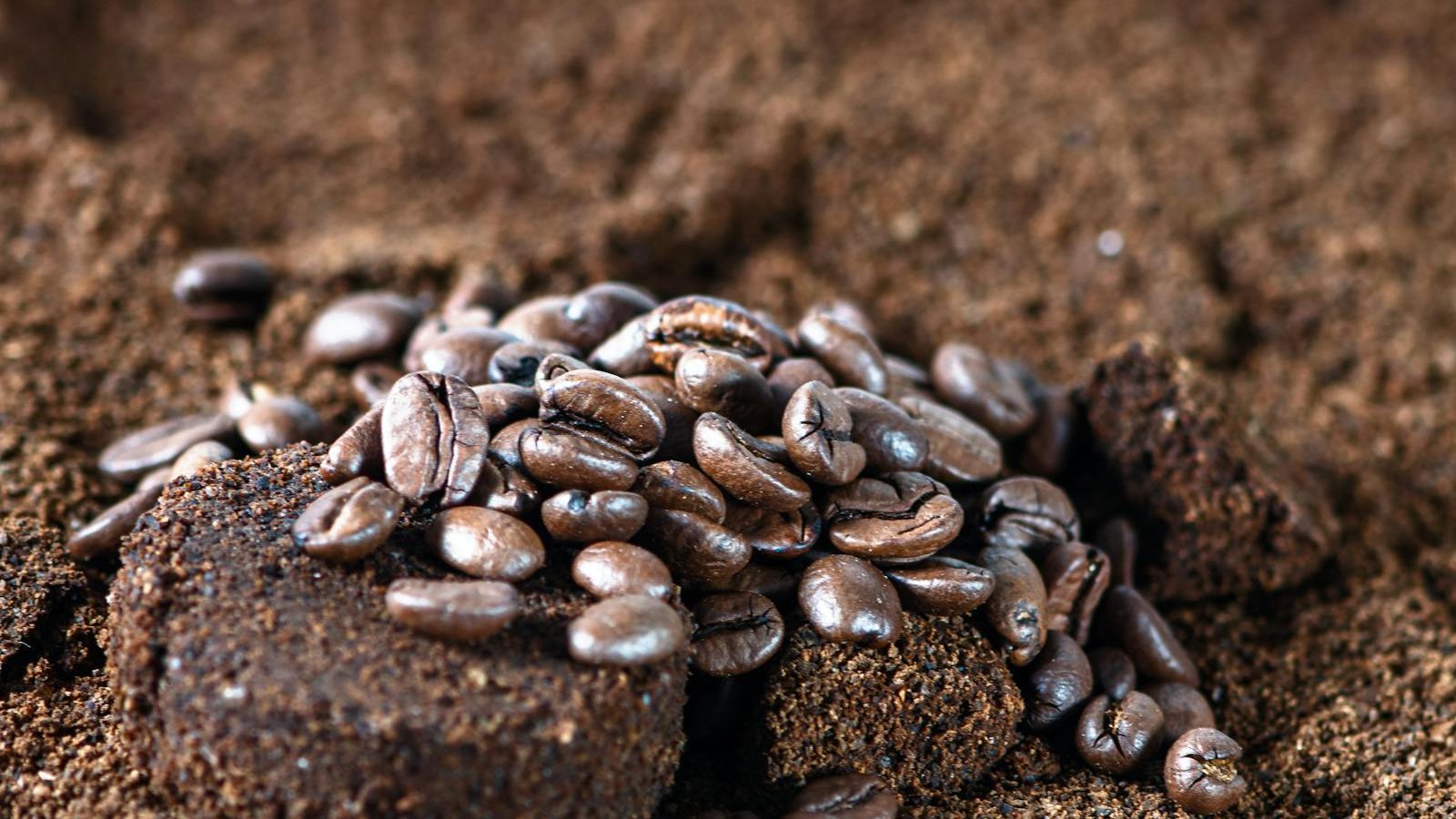
Fresh coffee, in the cup, is mildly acidic, pH around 5. Used coffee grounds, which is what most of us actually compost, have a pH between about 6.5 and 6.8. That is roughly neutral. The acidity is largely extracted into the brew you drank. Spreading used grounds around your blueberries does not significantly acidify the soil.
What used coffee grounds actually do is:
- Add nitrogen. Despite their brown appearance, used grounds are a “green” in compost terms, with a carbon-to-nitrogen ratio around 20:1. They are food for the heap’s bacteria.
- Improve heap heat. Coffee-rich heaps run hot. Some hot composters use coffee grounds specifically as a heat accelerator.
- Improve soil structure. Grounds are finely textured and mix well into clay or sandy soils, improving both.
- Suppress some slug feeding. the EPA’s home-composting guide The evidence here is mixed; in trials it has worked sometimes, especially with very fresh grounds spread densely. Don’t bet the garden on it.
Limits worth knowing. Don’t use coffee grounds as a thick mulch on their own, they cake together when wet and can repel water. Mix them in. And don’t add huge quantities of fresh grounds (straight from a café’s bin) to a small heap; you can shift the carbon-to-nitrogen ratio enough to slow things down. Half a kilo a week into a small bin is fine; ten kilos at once needs balancing browns.
The line that does hold true: used grounds belong in the compost heap, or directly on the soil around heavy-feeding plants like roses and tomatoes. They are one of the most useful kitchen inputs a heap can get.
Eggshells: less calcium release than promised
The widely repeated claim is that crushed eggshells in the compost or scattered around plants release calcium that prevents blossom end rot in tomatoes, strengthens cell walls, and feeds calcium-loving plants. The vague claim is sort of true; the specific claim mostly isn’t.
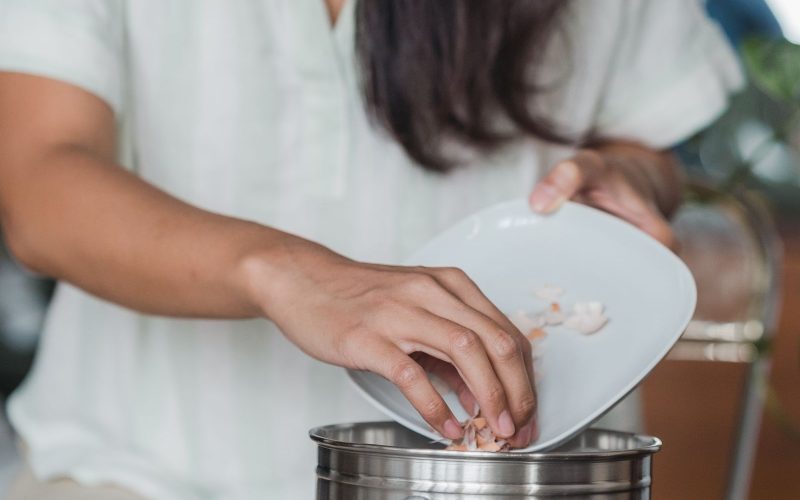
Eggshells are about 95 percent calcium carbonate, which is the same compound as garden lime. So in principle they could add calcium to the soil. In practice the rate of release is glacially slow. Whole or coarsely crushed eggshells take many years to break down. Even ground to a powder (with a pestle and mortar or coffee grinder), they release calcium slowly enough that you would need to add a lot to make a measurable difference to soil chemistry.
Studies on tomato blossom end rot are particularly telling. The condition is caused by uneven calcium uptake during growth, often a symptom of irregular watering rather than a true calcium deficiency. Adding crushed shells to the planting hole rarely fixes it because the calcium isn’t bioavailable on the timescale the plant needs.
So why bother adding eggshells to the compost? Three small reasons.
- Worms appreciate them. The grit helps their digestion, and worm bins benefit from a regular sprinkle of crushed shell.
- Slugs and snails don’t like crawling over sharp shell fragments. Mixed results in slug control, but not nothing.
- They’re free, they don’t hurt, and they very gradually do contribute calcium over the years.
Tip: dry the shells first (a few hours on a low oven shelf if you’ve been baking anyway), then crush. Wet shells in a heap retain the membrane, which decomposes and stinks slightly. Dry, ground shells are tidy.
Tea bags: the bag is the problem
The claim that has been quietly fixed and refixed for years is that tea bags are compostable. Some are. Most aren’t completely. The bag matters more than the leaves.
Tea leaves themselves compost beautifully, they’re a green, full of nitrogen, fine-textured, fast-breaking. Loose tea leaves are one of the cleanest compost inputs there are.
The bag is where things get awkward. Until very recently, the majority of tea bags in the UK were made from paper sealed with a thin layer of polypropylene (a plastic) to keep them from disintegrating in hot water. That polypropylene does not break down in any normal compost heap. You end up, six months later, with skeletal tea bag shapes in your compost, visible plastic mesh, still intact.
The major UK tea brands have been switching over the past few years to either fully compostable bag materials (PLA from cornstarch, which is industrially compostable but slow in a backyard heap) or paper-only seals (which are home compostable). The change is patchy and uneven. Some brands have switched all products; some have switched only some; some haven’t switched at all.
What to do, practically. Three options:
- Switch to loose-leaf tea, which is unambiguously compostable and often cheaper per cup. Buy a small strainer or teapot.
- Check the packaging of whatever brand you use. “Plastic-free tea bags” or “fully compostable bags” are the phrases to look for, ideally with a home compostable mark.
- For brands that still use plastic-seal bags, tear them open before composting. Empty the leaves into the heap; bin the bag. Slightly tedious, but it works.
What this all adds up to
The pattern across these three is the same. Each ingredient is useful in compost, less dramatic than its reputation suggests, and worth knowing the actual mechanism rather than the popular claim. Coffee grounds feed the heap and the soil, but they don’t acidify it much. Eggshells help worms and slugs and add slow calcium, but they won’t cure your blossom end rot. Tea bags are mostly fine, except for the plastic in some of them, which isn’t.
The grounds, the shells, and the leaves all end up in the heap at our house, alongside everything else. The bags get torn open if I remember and binned if I don’t. The myths are mostly harmless. The composting carries on regardless.
Frequently Asked Questions
Are coffee grounds really acidic enough to harm plants?
No. Used grounds have a pH near neutral (around 6.5 to 6.8). They will not significantly acidify garden soil, and the popular advice to use them around acid-loving plants is largely a myth. They add nitrogen and structure, which is useful enough on its own.
Do eggshells really stop blossom end rot in tomatoes?
Mostly not. Blossom end rot is usually caused by irregular watering rather than calcium deficiency, and eggshells release calcium too slowly to fix the problem on the timescale tomatoes need. Consistent watering matters more.
Which tea bags are actually compostable?
Look for "plastic-free", "fully compostable", or a home-compostable certification mark on the packaging. Many major UK brands have switched in recent years; some still use polypropylene seals. When in doubt, tear the bag and compost only the leaves.
Can I put too many coffee grounds in a small compost bin?
Yes — large quantities of fresh grounds can shift the carbon-to-nitrogen balance and turn the heap slow or smelly. A few hundred grams a week from a household is fine; ten kilos from a café needs balancing browns.
Should I crush eggshells before composting?
Yes. Crushing dramatically increases the surface area and slightly speeds the (still slow) breakdown. Dry them in a warm oven first to avoid the membrane stinking as it decomposes. A coffee grinder reduces them to a fine powder usable directly on soil.
Do coffee grounds repel slugs?
Sometimes, in some conditions. The evidence is mixed — fresh grounds spread thickly may discourage slugs, but the effect washes out in rain and is unreliable. Treat slug repellence as a bonus rather than a strategy.