
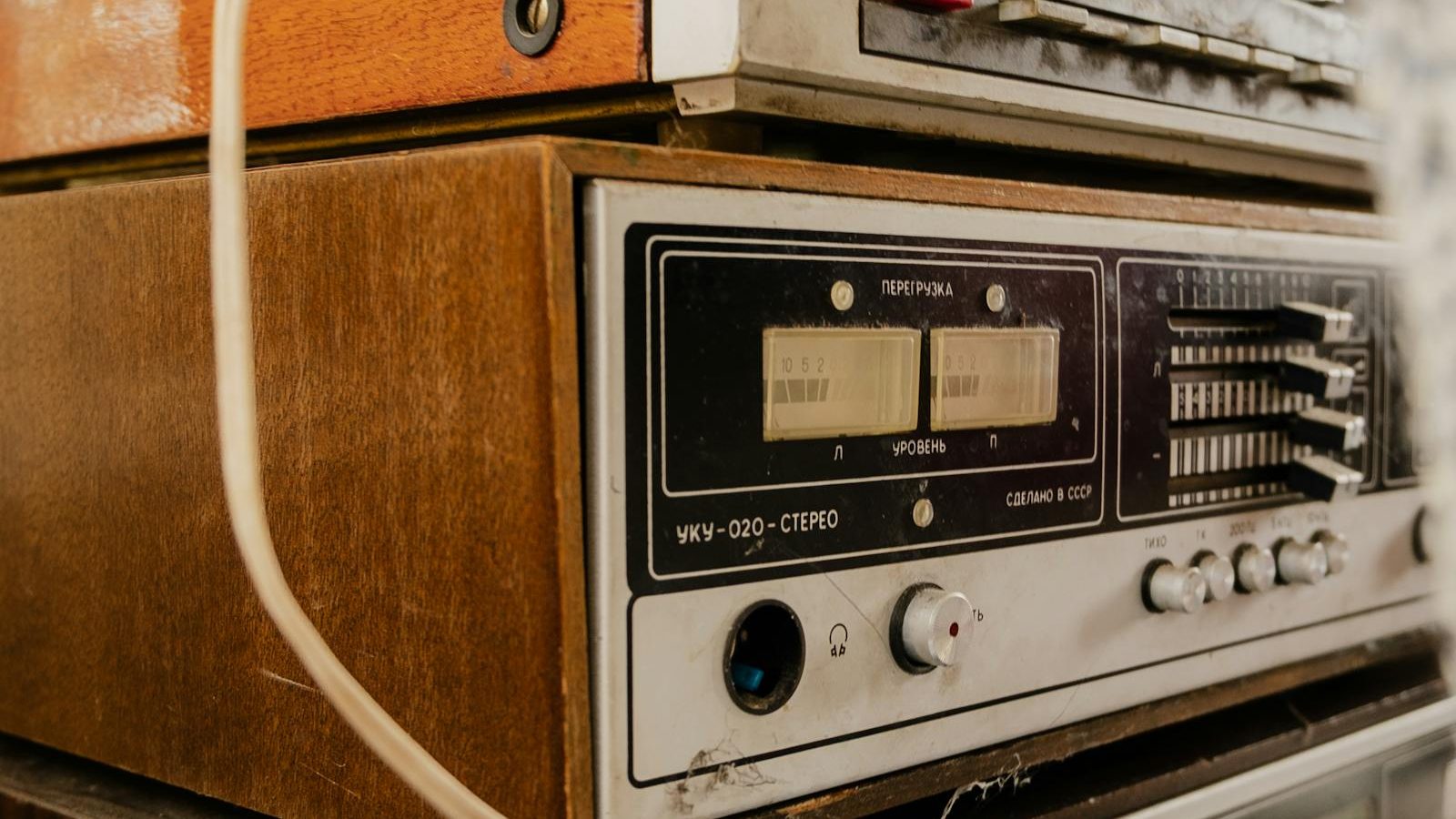
Open the drawer in your kitchen or hallway that you don’t talk about. The one with the old phone chargers, the iPod with a flat battery, the cable that goes to something you no longer own, the broken kettle base, the camera from 2009. Everyone has this drawer. Some people have a whole cupboard. The official term is “WEEE”, Waste Electrical and Electronic Equipment, and it’s the fastest-growing waste stream in the world. Most of it sits in drawers, waiting for someone to decide what to do. the EPA’s guidance on recycling contamination
The reason it accumulates is partly habit, partly guilt, and partly genuine confusion. None of the usual bins are right. You can’t kerbside-recycle electronics. They contain mixed materials, batteries, sometimes hazardous substances, and tiny amounts of valuable metals, the average smartphone contains more gold per gram than a high-grade ore sample. So they need their own routes, and those routes aren’t always obvious.
Start with the drawer, not the policy
The first step isn’t learning about WEEE regulations. It’s emptying the drawer onto the kitchen table. You can’t process a category if you can’t see it. Most people are surprised by what they find, three identical USB-C cables, a phone they’d forgotten existed, a power brick that almost certainly belongs to a deceased printer.
Once it’s out, sort into four piles:
- Working items you no longer want
- Broken items that could be repaired
- Broken items beyond reasonable repair
- Cables, chargers, and accessories
Each pile has a different best home. The temptation is to bin the lot and feel virtuous. Resist it. Most piles can produce either a charity gift, a small payment, or a clean disposal route, and only the last category is properly destined for recycling.
Working items: charity, resale, or freecycle
A working phone, tablet, or laptop, even an old one, has a buyer or a recipient somewhere. National schemes like Music Magpie or CeX will pay for popular models. Local charity shops increasingly take small electronics. Freegle and Olio give items away for free to nearby people. The British Heart Foundation runs furniture and electrical collection. For school-age children, the Computer Recycling charity refurbishes laptops for kids who don’t have one at home.
The trick is to deal with it within a week of deciding. Items hesitate to leave the kitchen table once they go back into the drawer.
Before you give anything away
Wipe the data. Properly. Factory reset for phones and tablets, full disk wipe for laptops. Don’t rely on emptying the trash, that doesn’t remove the underlying file. Most manufacturers publish step-by-step instructions for their devices. Allow half an hour.
Broken but repairable: the rise of repair cafes
The Restart Project runs Repair Cafes across the UK and Europe. Volunteers, usually retired engineers and tinkerers, will look at your dead kettle or unresponsive toaster for free and either fix it or give you a verdict. Even if it can’t be fixed, you learn whether it was worth trying. Many cafes operate monthly. iFixit, the online repair encyclopedia, has step-by-step guides for thousands of models.
Common items that turn out to be repairable for under a tenner: kettles (usually the element), toasters (the spring mechanism), microwaves (the door switch), table lamps (the cord or switch), Bluetooth speakers (the battery, usually).
Beyond repair: the council route
UK councils all offer some form of WEEE recycling. Sometimes it’s a collection point at the household waste centre. Sometimes it’s a kerbside pickup of larger items on request. Sometimes there’s a small electricals bag scheme, you fill a bag, hang it on the bin, and it’s collected separately.
Large items, fridges, washing machines, TVs, are usually collected when the new one is delivered, by law. Retailers must take the old one away. This is sometimes free, sometimes a small fee. Always ask at the point of purchase.
Battery removal first
If the item has a removable battery, take it out before recycling. The battery goes to a separate stream, most supermarkets and many small shops have a battery bin near the door. Lithium-ion batteries in particular cause fires in WEEE sorting if mixed in.
The mountain of cables
Cables and chargers are the bulk of most drawers and the least talked-about category. The honest answer: most of them are recyclable as small electricals at WEEE points. A few might be worth keeping for a year in case you find a use. The rest are taking up space.
Some people swear by the rule: if you haven’t used a cable in twelve months, you don’t need it. There’s wisdom in that. The other rule is to test each cable for one minute before recycling. Sometimes you find one you can’t identify, plug it into a phone, and discover it’s perfectly good and could replace one that’s fraying.
What recycling actually does
An old phone at a proper WEEE facility goes through shredding, magnetic separation, and chemical extraction. Gold, silver, copper, palladium, rare earths, all recovered, in tiny quantities but at industrial scale. The plastic case is downcycled. The screen glass is broken and reused. The battery is sent to a specialist lithium recycler. Almost nothing is wasted, but only if the phone reaches a real facility, not landfill.
One man’s drawer
James in Norwich wrote about taking everything out of his electrical drawer on a wet Sunday in November. He counted 42 items. Six worked and went to charity. Three were repaired at a local repair cafe. The rest went, in a single carrier bag, to the household waste centre fifteen minutes away. The drawer was empty by Monday lunchtime. “It had been bothering me for years,” he wrote, “and the actual job took ninety minutes.”
The drawer doesn’t need to be a project. It needs an afternoon. The hardest part is not the recycling, it’s the deciding. Once the piles exist, the routes are quick.
Frequently Asked Questions
Where can I take small electronics?
Most UK councils accept them at the household waste recycling centre. Some run kerbside small electricals schemes. Currys and Argos accept small electricals in store regardless of where they were bought.
Should I wipe my phone before giving it away?
Yes. A factory reset plus signing out of cloud accounts will protect your data. For laptops, perform a full disk wipe rather than just deleting files, which leaves recoverable data on the drive.
What about old TVs and computer monitors?
Take them to the household waste centre. Older CRT TVs and monitors contain hazardous materials, so they need to be processed properly. Most centres have a designated WEEE area.
Are repair cafes free?
Yes, the volunteer time is free. You may need to pay for parts if a repair needs them. Most cafes operate by donation and ask only for goodwill.
Can I put cables in the regular recycling bin?
No. Cables tangle in sorting machinery and contain mixed materials. They need to go to a WEEE point or be collected by a small electricals scheme.
What happens to lithium batteries in old gadgets?
They're removed and sent to specialist recyclers who recover lithium, cobalt, and nickel. Don't put loose batteries in any bin — they can ignite and cause sorting facility fires.