
A teacher in our town brought a kettle to the repair café last spring. It had stopped working three months earlier. She had nearly thrown it out twice. The volunteer who took a look opened the base, found a single broken wire connection, soldered it, and handed the kettle back. Total time: nineteen minutes. Total cost: a donation of three pounds and a slice of cake.
The whole exchange felt almost embarrassingly straightforward. That kettle had been waiting in a cupboard for a quarter of a year, considered dead, when the actual fault was the length of a fingernail. Multiply that across a country, and you start to see why the repair café idea spread the way it did.
What a repair café actually is
A repair café is a community event, usually monthly, where volunteers with practical skills sit at tables and fix things that visitors bring in. The original idea started in Amsterdam in 2009. There are now over two thousand around the world, and several hundred in the UK alone.
The model is simple. You bring something broken. A volunteer takes a look. Many things are fixed on the spot. Others get diagnosed but cannot be repaired without specific parts. A few are genuinely beyond saving. You usually pay nothing, though donations cover the costs of the venue and refreshments.
What they fix
The range is wider than most people expect. A typical repair café might have separate tables for:
- Small electrical appliances (kettles, toasters, lamps, hair dryers, fans)
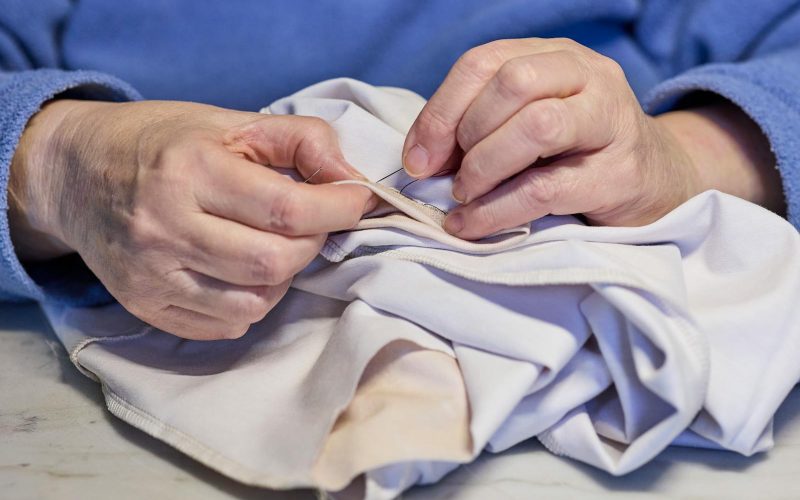
- Sewing and textile repairs (zips, hems, buttons, holes, alterations)
- Bicycles (punctures, brakes, gears, wheels)
- Wooden furniture (loose joints, scratches, drawer runners)
- Electronics (cables, basic phone and tablet repairs)
- Toys (mechanical and battery-operated)
- Jewellery (broken chains, clasps)
Some cafés specialise. iFixit News on repair culture There are bicycle-only repair workshops, for example, and clothing-only mending events. The general café tends to draw the widest crowd.
What they will not fix
The limits are usually about safety, time, and parts.
- Anything gas-related (boilers, gas hobs) requires certified engineers
- Major electrical work requires a qualified electrician
- Items that need specific manufacturer parts that are not in stock
- Anything where a repair attempt could make the item dangerous
- Items considered beyond economic repair (a five-pound kettle with a snapped element is rarely worth a half-hour repair when a new element costs more than the kettle)
The honest answer in these cases is given to you on the day. You take the item back, knowing what is actually wrong with it, and decide what to do.
The etiquette
A few unspoken rules make the system work for everyone.
Bring the broken item ready to look at
If it is dirty, wipe it down. If it has a cover, bring screws. If it came with instructions, bring those too. The volunteer has limited time per item and starting from a clean, accessible item helps.
Stay with your item while it is being repaired
Most cafés expect you to sit with the volunteer during the repair. This is part of the point. You learn what was wrong, how it was fixed, and often a little about how to spot the problem next time.
Bring one or two items, not ten
Volunteers can do a few repairs each over a four-hour session. Bringing a bag of seventeen broken things creates a queue and means others get turned away. Three is the unspoken limit at most events.
Donate
The café is free in principle. In practice, three to ten pounds per repair covers the venue, the tools, and the tea. Nobody asks for it. Almost everyone leaves something in the donation jar.
What you learn while watching
The unexpected benefit is the informal teaching that happens. Watching a volunteer take apart a kettle, identify the broken connection, and put it back together is a small masterclass in how kettles actually work. The next time something stops working in your kitchen, you have a slightly clearer idea of what might be wrong.
This is the bit that makes the repair café different from a paid repair service. The repair person at a shop fixes the thing in a back room and you collect it. The repair café sits next to you while doing it. By the third visit you know which faults are common and which are usually terminal.
What kinds of things get fixed most often
An informal tally from a London repair café over six months showed:
- Kettles and toasters: roughly 60% successfully repaired
- Lamps and lighting: 80% (the failures are mostly cables and switches)
- Clothing: 95% (almost everything textile can be saved)
- Bicycles: 85%
- Toys: 70% (battery issues and broken plastic are the main problems)
- Phones and tablets: 30% (often parts are not available)
- Hair dryers: 65%
- Vacuum cleaners: 60% (often a blocked hose or broken belt)
Overall, around seven out of ten items brought to a repair café go home working. The 30% that cannot be fixed often leave with a clear answer about why, which sometimes informs a warranty claim or recycling decision.
The financial picture
The kettle the teacher fixed would have cost twenty-five to forty pounds to replace. Across an average year, a household visits a repair café perhaps three or four times. The savings, typically eighty to two hundred pounds annually, are substantial, even before factoring in the items that did not get replaced new.
The carbon savings are larger. A new small appliance carries the embedded carbon of mining, manufacturing, packaging, and shipping. A repaired one carries none of that. The repair café is one of the most worthwhile things a low-waste household can do, measured per hour spent.
Volunteering as the next step
Most repair cafés need volunteers. The barrier is lower than people expect. If you can sew on a button, you can join the textile table. If you have ever changed a bike inner tube, you can help on the bike table. The seasoned volunteers handle the trickier jobs and teach the newer ones. Within a few months, most volunteers can repair a wider range of things than they could before they started.
The cafés often need administrative help, too, running the welcome desk, handling the cake stall, keeping the booking list. These roles need no technical skills at all and keep the event running smoothly.
Why this idea works
The repair café reverses the standard assumption of consumer culture, which is that broken things are simply replaced. By making repair the default again, even occasionally, the model shifts what a broken object means. A kettle with a snapped wire becomes a project, not a piece of rubbish. A jumper with a moth hole becomes mendable, not disposable.
The same logic spreads outwards. People who have used the repair café once tend to look at their broken things differently. They keep them longer. They try fixes themselves. They eventually find that the cupboard full of broken stuff at the back of the house has emptied, not because they threw it out, but because they took it somewhere it could be looked at.
The kettle, by the way, is still in use. The teacher reports it has not given any further trouble. She brought a broken lamp on her next visit, which was fixed in seven minutes.
Frequently Asked Questions
Are repair cafés really free?
The repair itself is free in principle. Donations cover the venue and refreshments. Three to ten pounds per repair is typical and welcome.
How do I find a repair café near me?
The Repair Café international network maintains an online map of locations. Local council websites and community noticeboards also list events.
What if my item cannot be fixed?
You take it home with a clear explanation of what was wrong. Some cafés offer guidance on recycling or specialist repair routes for complicated items.
Can I bring electrical items even if they are dangerous?
Bring them. The volunteers will assess safety before working on anything. Some items will be diagnosed but not repaired if they need a qualified electrician.
Do I need to book in advance?
Some cafés take bookings, others operate first-come-first-served. Larger events often need bookings for specific item types.
How long does a typical repair take?
Most repairs take between fifteen and forty-five minutes. You wait with your item, which usually means a chat over tea while it is fixed.