“Are they actually any good or are they just pretty?” My sister asked me this two Christmases ago, holding up the beeswax wraps I had given her. It is the right question. Beeswax wraps are sold with the cheerful confidence of a product that is going to change your life. After using them daily for two years, my answer is more useful than the marketing: yes, but only for some jobs.
This is a frank guide to what beeswax wraps actually do, where they fail, how long they really last, and whether they belong in your kitchen.
What a beeswax wrap actually is
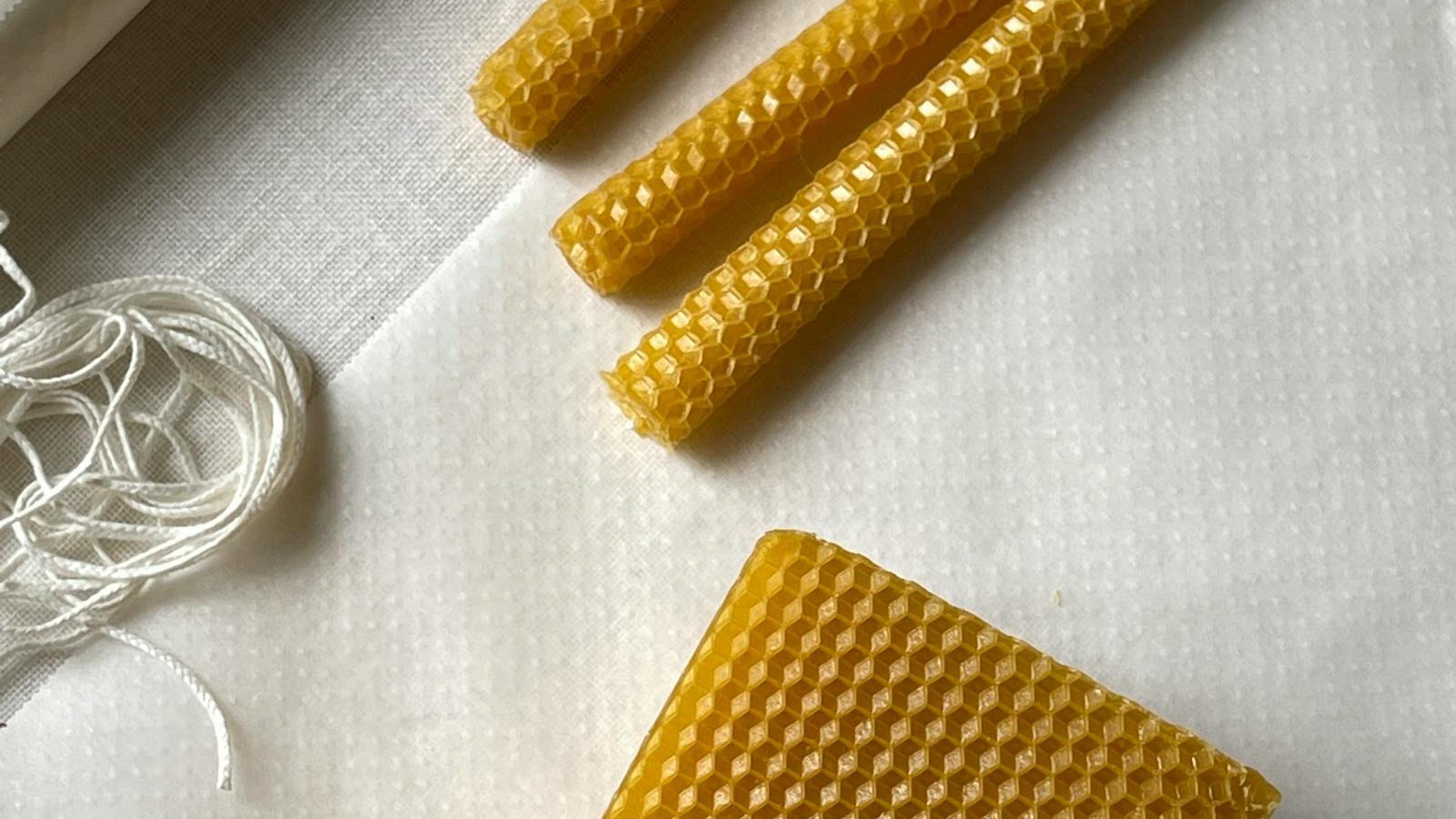
The classic version is a piece of cotton fabric coated in beeswax, jojoba oil, and tree resin. ReFED’s overview of the US food-waste problem The warmth of your hands softens the wax enough to mould the fabric around a bowl or a piece of food, where it cools and stays put. Done well, you get a flexible, lightly tacky, reusable cover.
Vegan versions exist, made with plant-based waxes instead of beeswax. USDA guidance on storing food safely They tend to be slightly less grippy but otherwise work the same way. The cheaper end of the market often skips the tree resin, which is what gives the wrap its real cling. If you have tried a wrap that simply flopped open, that is almost certainly why.
The expected lifespan
A decent wrap, cared for, lasts around twelve months of daily use. Mine, used heavily, started losing their tackiness around month nine. By month fifteen, the wax was visibly cracking. A refresh kit (a small block of mixed wax and oil) restored them for another six months. So roughly two years per wrap if you bother to refresh, less if you do not.
What they are genuinely good at
Beeswax wraps shine in specific situations. These are the everyday jobs they handle as well as or better than cling film.
- Covering a bowl of leftovers in the fridge. The seal is good enough overnight, and the wrap moulds nicely to standard bowls.
- Wrapping half a cucumber, half a lemon, or half an onion. The wax holds moisture in and prevents the cut surface drying out within a day.
- Wrapping cheese. Hard cheeses in particular love beeswax wraps. They allow a tiny amount of air exchange, which actually helps the cheese age more naturally than airtight plastic.
- Covering a baked loaf or part-loaf of bread. Better than a plastic bag, which traps moisture and softens the crust.
- Wrapping a sandwich for a packed lunch. Folds neatly, holds shape, and washes for the next day.
The cheese point in particular
If you only use beeswax wraps for cheese, you have already paid them off in waste reduction. Cling-filmed cheese sweats, gets slimy, and goes off twice as fast. Beeswax-wrapped cheese stays firm and develops a more pleasant rind. Most cheesemongers use a form of waxed paper for this exact reason.
Where they fall short
Here is the part the marketing skips. Beeswax wraps cannot do everything cling film does. Pretending otherwise is how people end up disappointed.
Anything raw and meaty
Do not use beeswax wraps with raw meat or raw fish. The wax cannot be washed at the high temperatures needed to safely deal with raw protein residue. Beeswax wraps are basically a low-heat-only product, and meat juice is a high-risk substance. Keep the cling film, or use a sealed plastic or glass container, for raw protein.
Anything hot
The wax softens at around 60 degrees Celsius. Wrap a hot bowl of leftovers and the wax slides off, melts into the food, and ruins the wrap. Let everything cool to room temperature first.
Strict sealing
Beeswax wraps are good covers but not great seals. Tipping a bowl on its side in a bag will leak. For liquid leftovers like soup, a lidded container is the right choice. The wrap is a cover, not a lid.
Very wet vegetables
Cucumber, melon, watermelon, and tomato that has been cut wet against the wax do not get along. Over time, the moisture rubs the wax off in patches. Stick to a sealed container for these.
How to wash and care for them
This is also where people go wrong. Beeswax wraps are washed cold, with mild soap, by hand. Hot water melts the wax off the fabric, which is exactly what you do not want.
The routine is: rinse with cool water, rub gently with a small amount of washing-up liquid, rinse again, and lay flat or hang to dry. They air-dry in fifteen minutes. Never put them in the dishwasher. Never put them in the washing machine. Never use them with hot water.
The crinkling phase
After a few washes, wraps go through a slightly crinkly stage where they feel papery. Do not worry. They soften again when you warm them in your hands to use. If a wrap starts to look genuinely worn out (cracked wax, missing patches, persistent smell), it is time for a refresh.
Refreshing tired wraps
A wrap that has lost its tackiness is not dead. You can refresh it with a small block of beeswax-and-resin mix, sold for the purpose. Grate a little over the wrap, place on baking parchment, heat in a low oven (about 80 degrees Celsius) for two or three minutes until the wax melts evenly across the surface, then peel off the parchment and let cool. The wrap is essentially new for another year.
If you do not want to buy a refresh kit, plain beeswax pellets from a craft shop work, though the result is slightly less grippy without the resin. A refresh costs around two pounds per wrap and takes ten minutes.
The real comparison with cling film
Over a year, an average UK household uses around two rolls of cling film, costing roughly six to ten pounds, none of which is recyclable. A set of three beeswax wraps costs around fifteen to twenty pounds, lasts a year or more, and can be refreshed. By month eighteen, the wraps are cheaper. By month twenty-four, much cheaper.
The environmental case is also clearer than for most “swaps.” Beeswax wraps are home compostable at end of life, particularly if made on organic cotton. Cling film is one of the worst plastics to recycle and almost always ends up in landfill or incineration.
So, are they worth it?
Yes, but think of them as a partner to your kitchen, not a replacement for everything. They cover three or four jobs brilliantly. They do not cover everything. Keep a small box of compostable bags or a few lidded containers for the rest. The mix of tools is what works, not a single hero product.
My sister, two years on, still uses the wraps I gave her. She also keeps a small roll of cling film for raw chicken nights. That feels, to me, like the honest place to land.
Frequently Asked Questions
Can I use beeswax wraps for raw meat or fish?
No. They cannot be washed at the high temperatures needed to safely handle raw protein residue. Use cling film, a sealed plastic bag, or a lidded container for raw meat and fish.
How long do beeswax wraps actually last?
A well-made wrap lasts around twelve months of daily use. A refresh kit can extend the life by another six to twelve months, so two years per wrap is realistic with care.
Are vegan wraps as good as beeswax ones?
They work the same way but tend to be slightly less grippy. Quality varies more between brands, so look for ones that include plant-based resin, not just wax, for proper cling.
How do I wash beeswax wraps?
Rinse with cool water, rub gently with mild washing-up liquid, rinse again, and air-dry flat. Never use hot water, the dishwasher, or the washing machine. Hot water melts the wax off the cotton.
Can beeswax wraps go in the freezer?
Yes, briefly. They are fine for short-term freezer use, such as covering a bowl going in the freezer for a day or two. For long-term freezing, the wax stiffens and cracks, so a sealed container is better.
What do I do with a wrap when it is finally finished?
If made from cotton with natural wax, it can go in a home compost heap, where it breaks down over a few months. Cut it into strips to speed the process.