Few household items inspire more bin-side debate than the pizza box. Half of you have been told it goes in the recycling, because it’s cardboard, obviously. The other half have been told it absolutely does not, because it’s greasy. Both groups can produce articles supporting their view. Both groups are partly right. The real answer, like most recycling questions, depends on how greasy, where you live, and what your local mill is willing to accept.
Let’s start with what actually happens when cardboard is recycled. The box gets shredded, mixed with water, and turned into a slurry. Recycle Now’s how-to guide (UK) The slurry is sieved to separate fibres from contaminants. The fibres are pressed into new paper and cardboard. Grease, however, doesn’t mix with water. It floats. It sticks to fibres. It causes spots on the finished paper. And if the contamination is bad enough, the whole batch is downgraded or rejected.
How much grease is too much
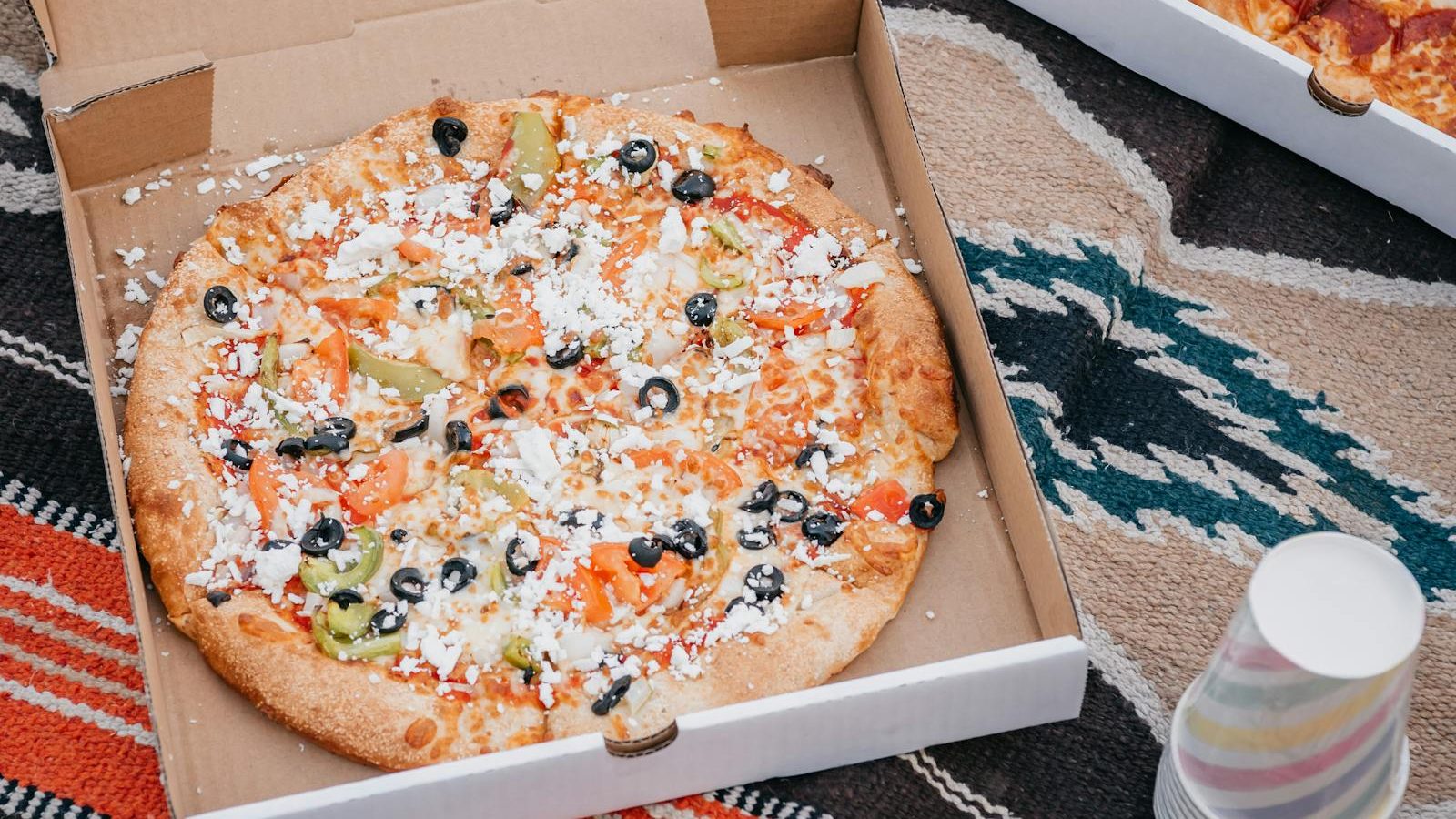
A few light smears probably won’t ruin a load. Modern mills tolerate a bit of contamination, they have to. What tips the balance is heavy, soaked-through grease, plus cheese stuck to the lid, plus that black olive that fell off. The lid of a pizza box, in most cases, is fine. The bottom, where the pizza sat for forty minutes radiating oil, is usually the problem.
This is why a lot of UK councils have settled on a sensible halfway position: tear the lid off and recycle it, throw the greasy base in general waste or, better, food waste if you have a caddy that takes soiled paper. the EPA’s guidance on recycling contamination The result is two streams doing what each is good at, instead of one whole box trying to be both.
The food waste route
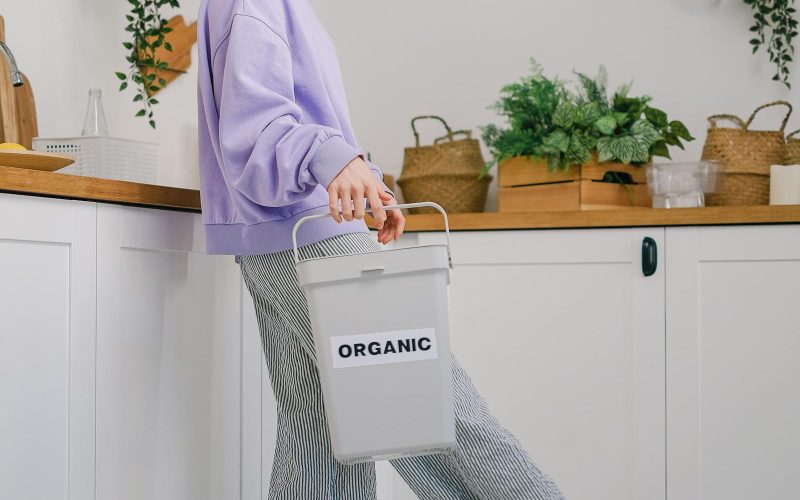
If your council collects food waste and accepts soiled paper, a soggy pizza base is actually ideal compost feedstock. It breaks down well, balances out wet food scraps, and the grease gets composted along with everything else. This is becoming more common, check whether your caddy comes with a leaflet listing “compostable” or “soiled paper” items.
Why mills are picky about food contamination
Recycled cardboard fibre is sold by weight to mills that compete on quality. A bale of clean cardboard might fetch a decent price. A bale flagged as contaminated gets sold at a discount, or sent to a landfill if no one wants it. Sorting facilities therefore train their pickers and their optical sorters to remove anything that looks suspect, and a half-greasy pizza box looks suspect.
This has practical implications. Even if your council says it accepts pizza boxes, sorting workers may pull them out anyway. The cleaner your offering, the more likely it survives the journey.
A reader’s experiment
Brian in Leeds emailed last year describing what he calls his “pizza protocol.” He tears the box in half, recycles the lid as-is, scrapes any stuck cheese into the food caddy, and puts the greasy base into the food caddy too. His council allows soiled paper there. He’s done this every Friday night for two years. He says it took less than ten seconds longer than just bagging the whole thing for general waste. It’s a fairly elegant solution.
What about completely clean boxes?
The corner shop sometimes sells frozen pizzas in cardboard boxes. Those boxes go in straight into recycling, no questions. The lid of a takeaway pizza box, if it doesn’t have grease drips down the inside, is the same, perfectly fine cardboard. The whole “no pizza boxes” rule only really applies when the cardboard is soaked through.
You can also wipe out the inside of a slightly greasy lid with a paper towel and chuck that paper towel in the food waste. The lid then qualifies as clean.
Other cardboards that surprise people
Pizza isn’t alone. Several common cardboard items have similar wrinkles:
- Egg boxes, almost always fine, though the moulded paper-pulp kind is better composted than recycled after a few uses.
- Cereal boxes, recyclable, but remove the plastic inner bag first.
- Detergent cartons, usually fine, although some have a thin plastic coating inside that can cause sorting issues.
- Takeaway noodle boxes, often coated with wax or plastic; check whether you can tear the cardboard cleanly. If it tears like paper, recycle. If it tears like film, bin.
- Frozen food sleeves, generally recyclable, but watch for plastic film windows.
The geography of grease
Pizza box policy varies wildly. New York City accepts them outright. Several London boroughs ask you to separate. Manchester has nuanced wording on its website that boils down to “use your judgement.” The variation isn’t arbitrary, it reflects local mills, local sorting equipment, and local contracts. Don’t assume a national rule applies in your borough. Twenty seconds on the council website covers it.
Why the conversation has changed
Ten years ago, most facilities would have flatly refused all pizza boxes. The technology has improved. So has the willingness to tolerate small amounts of organic contamination, especially with the rise of recycled paper packaging where slight imperfections are accepted as part of the aesthetic. You’ll see “recycled brown” cardboard everywhere now, a slightly mottled finish that hides the kind of issues that would have failed a quality test in 2010.
That said, the trend is fragile. If a mill changes contracts or a buyer raises their standards, suddenly the rules tighten again. The safest household habit is to do what works regardless of the current mill’s mood: separate clean from greasy, compost what you can, and stop worrying about the rest.
The rise of the personal pizza protocol
Households that order pizza regularly tend to settle on a routine within a few weeks. The protocol usually involves a quick assessment as the box is cleared from the table: lid clean enough to recycle, base too greasy, scrape any stuck cheese into the food caddy. The whole operation takes about ten seconds and bypasses any uncertainty.
If you really want to be thorough, you can cut the box in half with kitchen scissors. The lid goes into the cardboard recycling intact. The base, with its grease patch, goes to food waste or general waste depending on your council. Some people compost the greasy base in their garden compost heap, which works surprisingly well, the cardboard provides good “brown” material and the small amount of oil breaks down over a few months.
Restaurant boxes versus supermarket boxes
Not all pizza boxes are the same. The classic delivery box from a chain pizzeria is uncoated brown cardboard, which composts and recycles equally well. Some premium restaurant boxes are slightly waxed or have printed colour graphics that suggest a coating. A specialty wood-fired place might use a plain cardboard tray with a paper liner, the liner is the part that gets greasy, and it can usually be removed entirely.
Frozen supermarket pizza boxes, which never see the inside of an oven directly, are completely clean cardboard. They go in without any thought.
Friday night, finally explained
You don’t need to dread the bin trip anymore. A pizza box isn’t a moral dilemma. It’s a piece of cardboard with two halves that often deserve different homes. Tear, sort, done. The pizza was the point of the evening anyway.
Frequently Asked Questions
Can I recycle a pizza box if it has a few grease spots?
Light grease usually won't ruin a load, and most councils accept boxes with minor staining. If it's soaked through, separate the greasy bottom from the cleaner lid.
What do I do with cheese stuck to the lid?
Scrape it into your food waste caddy if you have one, or general waste if you don't. The lid itself, once the cheese is off, behaves like normal cardboard.
Can the greasy bottom go in food waste?
In many UK councils, yes — soiled paper is welcome in the food waste caddy and composts well. Check your caddy leaflet to confirm what your scheme accepts.
Why are some councils strict about pizza boxes?
Local mills have different tolerances for contamination. A council whose mill rejects greasy bales can't afford to risk the whole batch, so they ask you to separate at the source.
What about the little plastic tripod that keeps the lid up?
That's polypropylene, usually number 5. Small loose items are too small for sorting machines, so most go in general waste, though some councils collect them with other small plastics.
Does it matter what kind of pizza?
Only insofar as some toppings are oilier than others. A margherita leaves less mess than a meat feast. The grease behaviour is the same in principle, just at different volumes.