Pick almost any drawer in a British kitchen and you will find evidence of good intentions: a bundle of plastic bags inside another plastic bag, six takeaway tubs of slightly different sizes, a roll of twine, a bread tag, and a single rubber band the cat has been eyeing for weeks. Most of it never gets reused. Not because we are lazy, but because we never quite worked out which things were actually worth the bother.
After a couple of years of paying attention to what we kept and what we threw, five categories kept rising to the top. They cover most rooms in the house, they save real money, and none of them require a craft cupboard.
1. Glass jars (the ordinary ones)
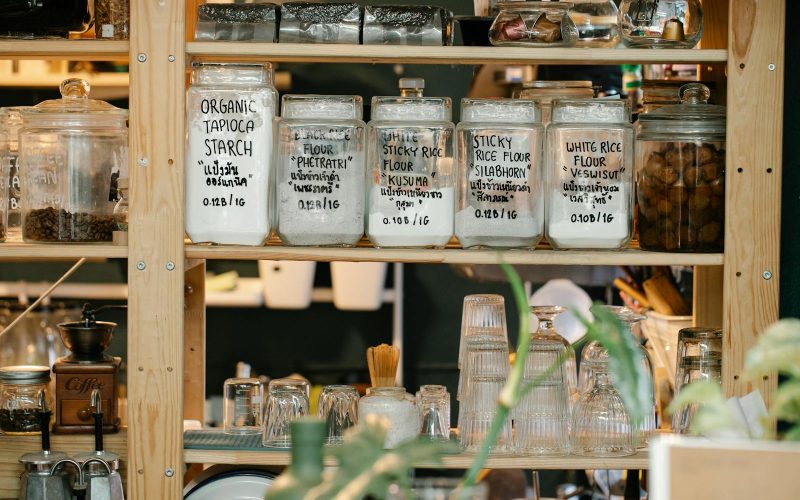
Not the Kilner sort. The ones that originally held passata, peanut butter, jam, mustard. A clean jam jar with the label soaked off and the lid wiped is a small miracle of utility. iFixit News on repair culture It holds leftover pesto in the fridge for a week without smelling. It carries soup to work. It is the right size for a portion of overnight oats. It can be a tumbler at a picnic if you have run out of cups.
The trick is to be ruthless about which ones you keep. A house only needs about a dozen jars to function. Any more and you have started a hobby.
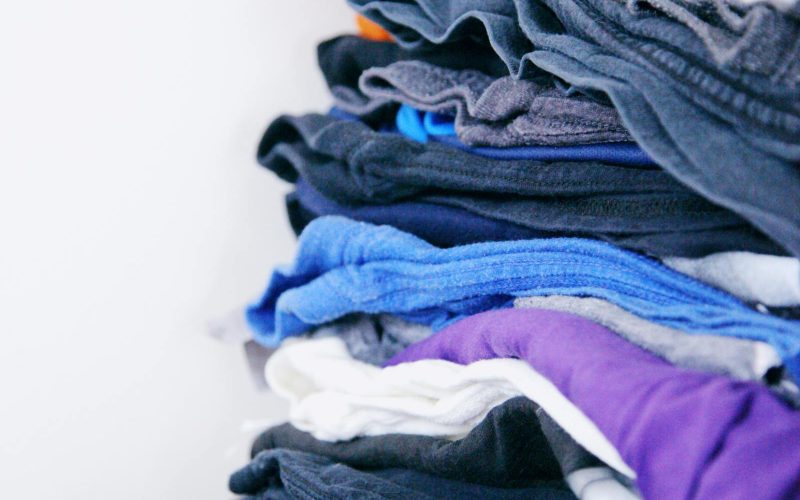
2. Old cotton clothing
T-shirts, pillowcases, sheets, tea towels past their best. Cotton in any form is the most useful cleaning material in the house once you stop buying paper towels. TerraCycle’s specialty recycling programs A cotton T-shirt cut into eight pieces gives you eight rags. Each one will outlast roughly a kitchen roll, and you can wash them. We keep ours in a drawstring bag under the sink. When one is filthy it goes into a separate bag and gets washed with towels.
Synthetic fabric does not work as well. It smears rather than absorbs. Stick to cotton, even if it means waiting until you have enough.
3. Sturdy cardboard boxes
Not pizza boxes. Not flimsy cereal cartons. The proper double-walled boxes that come with online orders. Keep two or three flattened behind a wardrobe and you have solved at least four problems: storage in the loft, posting things to family, moving house, and the inevitable moment when a teenager needs to ship something heavy back to a retailer.
One reader, Sam in Bristol, told us he keeps a single Amazon box by the door specifically for charity-shop drop-offs. It just sits there filling up, he said. When it is heavy, I take it. That is a system.
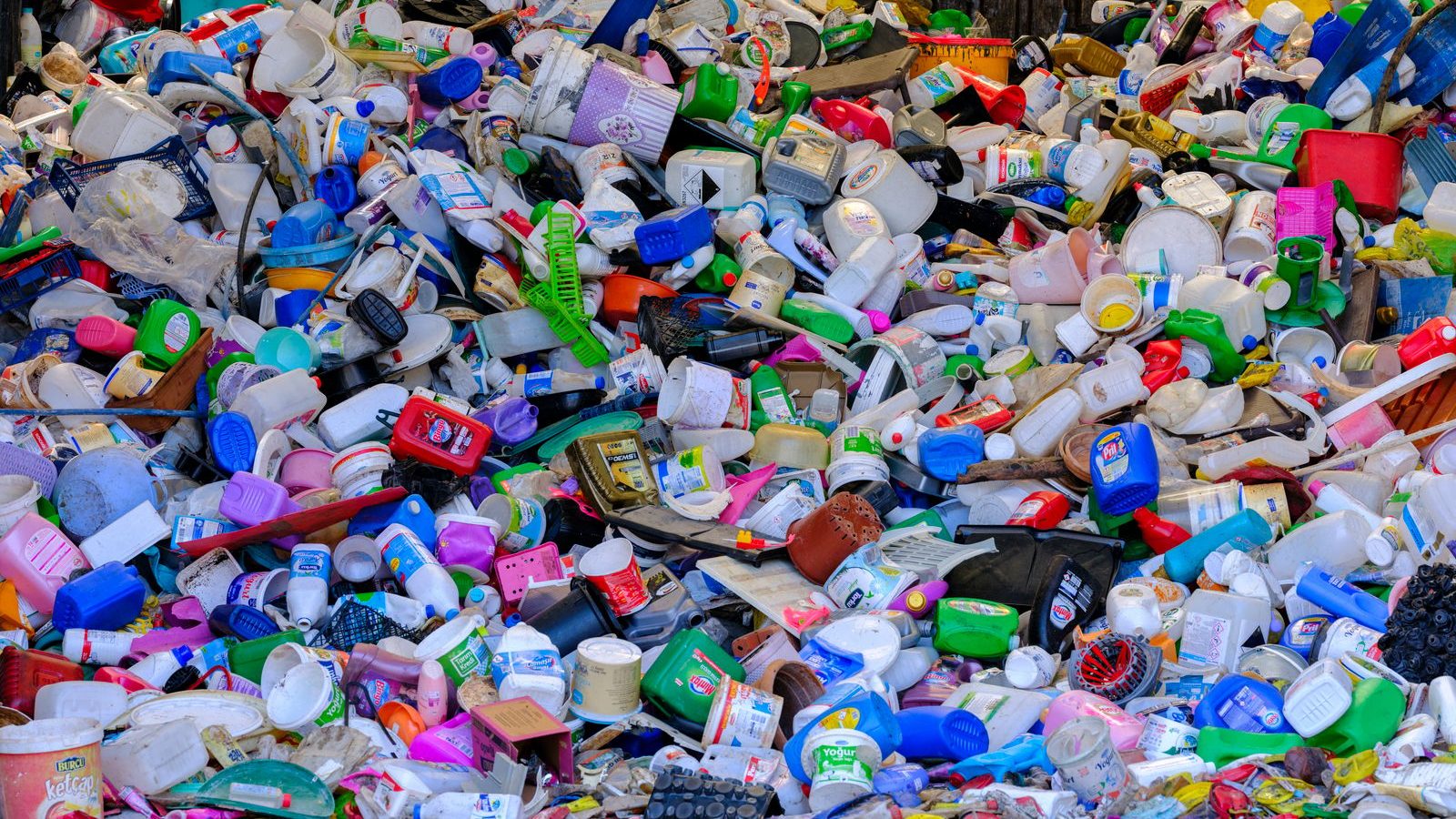
4. Plastic tubs from cream, hummus, and yoghurt
The ones we mean are the rigid ones with proper lids. Yes, you do not need fifty of them. But four or five solve quiet problems all week: lunch leftovers, freezing stock, separating dry goods, taking a slice of cake to a neighbour and not minding if it comes back.
The 500ml cream tub size is a small workhorse. It holds exactly one portion of leftover curry, which means it stops being food waste and starts being tomorrow.
5. Brown paper and twine
Brown paper from packages, the kind crumpled up as void fill, is a gift-wrap upgrade. Iron it briefly on a low setting and it lies flat. Tie it with twine from a parcel rather than ribbon and you have something that looks deliberately handsome rather than mean.
The same paper, uncreased, lines the bottom of a fruit and veg drawer beautifully and absorbs any drips before they can become a science project.
Why these five and not others
The reason this list is short is that most things we are told to reuse fail one of three tests. They take too long to clean (think foil takeaway containers caked in oil). They take up space without being used (six identical Tupperware lids). Or they break down quickly and create more mess than they solve (thin carrier bags, which split if you look at them).
The five above survive that test. They are easy to clean, easy to store, and they get used often enough to justify their space. That is the whole game, really. Reuse only works when it is easier than throwing away. Otherwise it is just hoarding with a halo.
What about the rest?
Plenty of other things can be reused. Bread bags become piping bags in a pinch. Egg cartons make seedling trays. Wine corks are excellent at sealing half-used paint tins. None of these are on the list because they fall into the bonus round: occasional uses that are nice when they happen, but not the everyday backbone of a low-waste house.
The same logic applies to the half-dozen single-use plastic tubs from olives, the small glass jars from baby food, and the plastic film tubs from photo processing. They all have uses. Few of them have weekly uses. If you keep one or two examples of each, the drawer stays useful. Beyond that, recycle and trust that another will arrive next month.
Building the system slowly
Most homes that end up with a quiet, functional reuse drawer did not arrive there in a single afternoon. The transformation happens over weeks, as old products run out and the saved jar or rag takes their place. A bottle of kitchen spray finishes; the spray bottle becomes vinegar-and-water. A roll of kitchen paper finishes; the rag pile is already in the drawer.
There is no need to throw away unfinished products in a fit of conversion. The cleanest transitions are the ones where the new system slots into space the old one vacated. By the end of a year, the cupboard has rearranged itself without any single dramatic decision.
If you adopt the five above and nothing else, you will probably halve the volume of small things going into your bins. Quietly, without buying anything, and without telling anyone you did it.
Frequently Asked Questions
How many jars should I keep?
Around ten to fifteen for most households is plenty. Any more and they start to take up cupboard space without being used.
Are old T-shirts really better than paper towels?
Yes, once you have a small stash and a system for washing them. The fabric is more absorbent and far cheaper over time.
Do I need to remove labels from jars?
For storage no, but they look much better with labels off and tend to wash up cleaner. A soak in warm soapy water for an hour does most of the work.
What is the easiest way to flatten cardboard boxes?
Slice the tape on the bottom with a key or scissors and the box collapses flat. Stack them behind a wardrobe or under a bed.
Are plastic tubs actually safe to reuse for food?
Most rigid plastic tubs from cream, yoghurt, or hummus are fine for short-term storage and freezing. Avoid heating food in them in the microwave.
How do I keep my reuse stash from taking over?
Set a single fixed space for it. When the space is full, stop keeping more until you have used what you have. That natural limit prevents the collection from growing into clutter.